
Top Emergency HVAC Services in Anchorage, AK, 99501 | Compare & Call

Circle Plumbing & Heating
Circle Plumbing & Heating is an Alaskan-owned and operated company serving residential and commercial clients throughout Alaska, including Anchorage. As a North American Technician Excellence (NATE) c...
Rock Solid Plumbing & Heating
Rock Solid Plumbing & Heating is a trusted Anchorage-based provider of comprehensive plumbing, heating, and water purification services. We specialize in addressing common local HVAC challenges, parti...
McCann Plumbing & Heating
McCann Plumbing & Heating has been a trusted name in the Anchorage community since 1977, founded by a master plumber with a Mechanical Administrator license. We understand the unique demands of plumbi...
Discount Mechanical Heating and Plumbing
Discount Mechanical Heating and Plumbing is a family-owned Anchorage business established in 2004. We provide reliable heating, air conditioning, and plumbing services for homes and businesses across ...

Muotka Mechanical is a family-owned and operated heating service company based in Anchorage, AK, with deep roots in the community dating back to 1997. We specialize in the installation, maintenance, a...
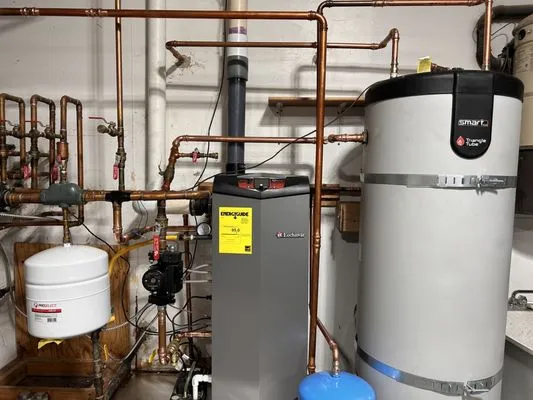
24hr Arctic Services
24hr Arctic Services in Anchorage, AK is a locally-owned and operated contracting company with over 13 years of experience providing reliable heating, plumbing, HVAC, and water purification services. ...

Diamond Heating/AirTemp Alaska
Diamond Heating Comfort Systems, operating as AirTemp Alaska, is a trusted, locally-owned HVAC provider dedicated to keeping Anchorage homes and businesses comfortable year-round. We offer reliable 24...

Moore Heating Air Conditioning
Moore Heating Air Conditioning is a licensed, bonded, and insured HVAC service provider in Anchorage, AK, specializing in heating, cooling, and water heater solutions. As a Lennox® Premier Dealer, the...
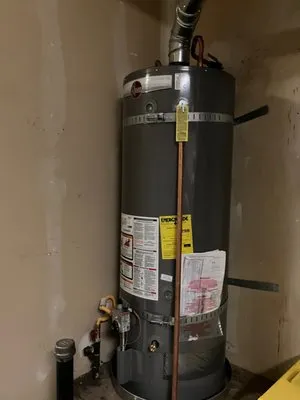
Sound Mechanical
Sound Mechanical is a family-owned plumbing and HVAC company serving Anchorage, Alaska, and surrounding communities. With over three decades of local experience, they provide full-service residential ...
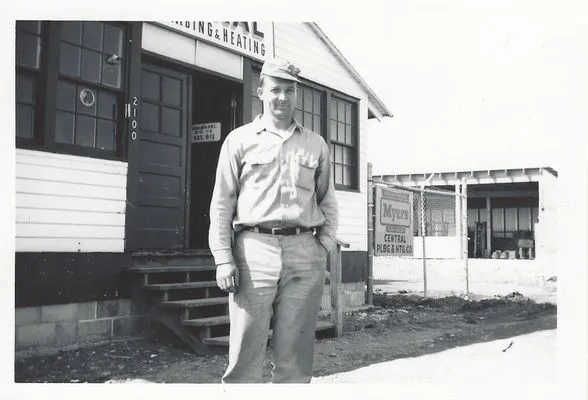
Central Plumbing & Heating
Central Plumbing & Heating is an Alaskan family-owned and operated company that has been a trusted resource for the greater Anchorage area since 1959. We are structured to support your project from st...
Q&A
What permits and safety standards apply to new HVAC installations in Anchorage?
All HVAC installations in Anchorage require permits from the Municipality of Anchorage Development Services Department. As of 2026, systems using A2L refrigerants like R-454B must comply with updated safety standards for leak detection and ventilation due to their mild flammability. Technicians need EPA Section 608 certification for handling these refrigerants. Proper documentation of refrigerant charge and system testing is mandatory for both permit approval and rebate eligibility under federal programs.
What should I do if my Downtown Anchorage home loses heat or cooling suddenly?
For a no-heat or no-cool emergency in Downtown Anchorage, first check your thermostat settings and circuit breakers. If the issue persists, a technician can typically reach you within 15 minutes from the Delaney Park Strip area via AK-1 (Seward Highway), which provides direct access to most neighborhoods. Quick response helps prevent further damage like frozen pipes in winter or mold growth from humidity issues.
How does Anchorage's summer heat affect HVAC system design?
Anchorage's summer highs can reach the mid-70s°F, while HVAC systems are typically designed for a 72°F indoor temperature. This narrow delta T means systems run frequently but at lower loads. Modern R-454B refrigerant performs well in these conditions due to its lower global warming potential and efficient heat transfer properties. Proper sizing through a Manual J load calculation ensures the system handles both cooling demands and Anchorage's variable temperatures without short-cycling.
How can I improve indoor air quality given Anchorage's wildfire smoke and pollen?
Anchorage faces PM2.5 risks from wildfires and pollen peaks in May, making filtration critical. MERV-13 filters effectively capture these particles but require evaluation of your ductwork. Galvanized steel ducts from older homes often handle MERV-13 without static pressure issues if properly sized, but a static pressure test should confirm this. Upgrading to a variable-speed blower can further optimize airflow while maintaining filtration efficiency.
Is switching from gas heat to a heat pump practical in Anchorage's climate?
Transitioning from gas heat to a heat pump in Anchorage requires careful consideration of winter lows and utility rates. Modern cold-climate heat pumps operate efficiently down to -15°F, making them viable for most Anchorage winters. To maximize savings, schedule heat pump use outside peak utility hours (17:00-21:00) when electricity rates are highest. A dual-fuel system that retains gas backup for extreme cold provides reliability while leveraging heat pump efficiency for moderate temperatures.
What are the 2026 efficiency standards for Anchorage, and how do rebates work?
As of 2026, federal minimum SEER2 requirements are 13.4 for cooling systems in Alaska. Anchorage's electricity rate of $0.21/kWh makes higher SEER2 units cost-effective over time. The Inflation Reduction Act offers rebates up to $8,000 for qualifying high-efficiency installations, which can offset much of the upfront cost when combined with Chugach Electric's $500 energy efficiency rebate. This makes upgrading to a 16+ SEER2 system financially practical for many homeowners.
How old is my Anchorage HVAC system likely to be, and why does that matter?
The average Anchorage home was built in 1982, making the original HVAC system about 44 years old in 2026. Systems of this age often have galvanized steel ductwork and outdated components that degrade over time. In Anchorage's semi-humid climate, frozen condensate lines are a common failure point because older drain pans and lines can accumulate debris and ice up during extended operation. This age-related wear increases the risk of refrigerant leaks and reduced efficiency.
What does an Ecobee E1 error code mean for my Anchorage HVAC system?
An Ecobee E1 alert indicates a communication failure between the thermostat and HVAC equipment. In Anchorage, this often results from power surges during storms or wiring issues in older homes. The error typically points to a lost connection to the indoor fan or heat pump, which can disrupt temperature control. A technician should inspect the wiring, control board, and transformer to restore communication and prevent system shutdown during temperature swings.
