
Top Emergency HVAC Services in Badger, AK, 99705 | Compare & Call

There are 13 hvac companies server in Badger AK
Gary's Repair & Burner Service is a trusted, family-owned heating and HVAC company serving Fairbanks, North Pole, and Ester. Founded over 20 years ago by Gary Bohanan, who brings more than 30 years of...
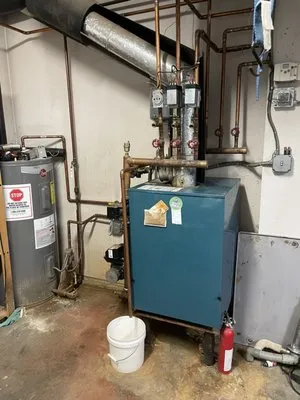
Prospector Plumbing and Heating
Prospector Plumbing and Heating is your local, trusted partner for plumbing, heating, and HVAC services in Fairbanks and North Pole. As a locally owned and operated business at the heart of Interior A...
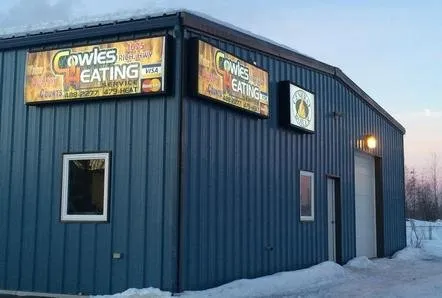
Since 1992, Cowles Heating Service has been the trusted, family-owned name for heating solutions in North Pole and the greater Fairbanks area. Our reputation is built on a simple, reliable foundation:...
Interior Weatherization
Interior Weatherization is a Fairbanks-based non-profit organization dedicated to improving energy conservation, health, and safety in Alaskan homes. Founded in 1985, we have weatherized over 7,500 ho...
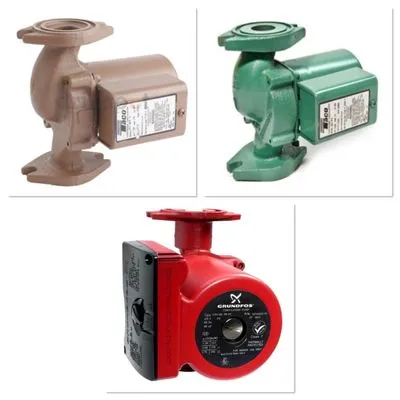
Midnight Sun Heating is a Fairbanks-owned HVAC company founded by John and Erin, who bring over 20 years of combined local heating experience to every job. After meeting and marrying in Fairbanks and ...
Industrial Service Corp. is Fairbanks's trusted HVAC specialist, dedicated to keeping homes warm and comfortable through the long Alaskan winters. We understand the local challenges, like blower motor...
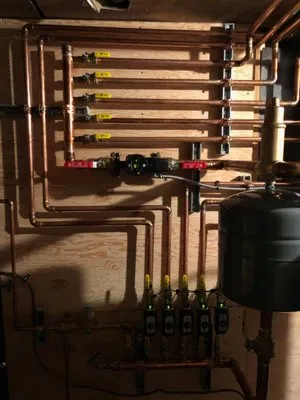
SubZero Heating and Air is your trusted local HVAC specialist in North Pole, AK. We understand the critical role your heating system plays in our extreme cold climate. Common local issues like furnace...
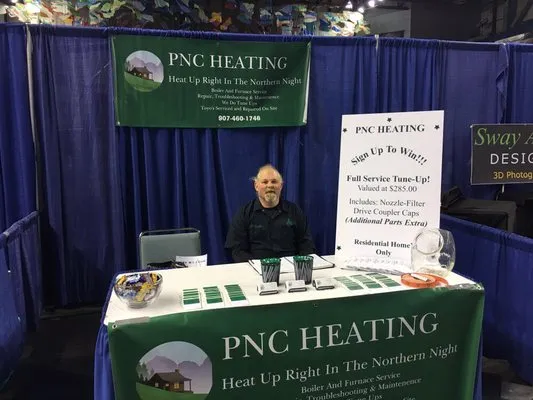
PNC Heating began with a personal mission in 2010 when our founder, a DIY enthusiast, successfully revived his own failed boiler. This hands-on experience sparked a deeper passion, leading to formal t...
Altrol Heating, Cooling, & Plumbing
Altrol Heating, Cooling, & Plumbing has been a trusted name in Fairbanks since 1982, providing reliable HVAC and plumbing services to both residential and commercial clients. Founded by David A. Bridg...
Kraft Heating is your trusted local HVAC specialist in North Pole, AK, dedicated to keeping homes warm and safe through the extreme Alaskan winters. We provide comprehensive heating and air conditioni...
Estimated HVAC Service Costs in Badger, AK
Q&A
What do the new 2026 SEER2 ratings mean for replacing my old air conditioner in Badger?
Federal standards now mandate a minimum of 13.4 SEER2 for new systems, a significant jump in efficiency from older units. With Golden Valley Electric Association (GVEA) rates at $0.24 per kWh, a high-efficiency model can substantially reduce summer cooling costs. The active Inflation Reduction Act rebates, with an $8,000 cap, can offset a major portion of the upgrade cost, improving the return on investment.
My furnace seems to struggle more each winter. Is age a factor for Badger heating systems?
The average home here was built around 1986, making many original heating systems 40 years old. Galvanized sheet metal ductwork from that era often develops leaks, reducing airflow. This low airflow, combined with decades of thermal cycling, puts significant stress on the heat exchanger, a common failure point. Older systems also operate less efficiently, increasing heating oil consumption during our coldest months.
Can my home's ductwork handle better air filters for wildfire smoke and spring pollen?
Upgrading filtration is wise given the PM2.5 risk from wildfire smoke and the May pollen peak. Your existing galvanized sheet metal ducts are generally robust, but adding a high-MERV filter creates static pressure. A technician should measure your system's static pressure to confirm it can handle a MERV-13 filter without restricting airflow, which is crucial for both equipment life and indoor air quality.
My Ecobee thermostat is showing an E1 alert. What does this mean for my Badger home?
An Ecobee E1 error indicates the thermostat is not detecting voltage from your HVAC equipment, often signaling a system lockout or safety switch trip. In our arid climate, a frequent culprit is a frozen condensate line causing an overflow safety switch to activate. This alert allows for early intervention before a complete system failure, preventing potential water damage and heat exchanger stress.
What are the permit and safety requirements for a new AC installation in Badger now?
All installations require a permit from the Fairbanks North Star Borough Department of Community Planning. As of 2026, new systems use A2L refrigerants like R-454B, which are mildly flammable. This mandates compliance with updated safety standards, including specific leak detection and ventilation requirements. Using a licensed contractor ensures the installation meets these codes for safe, long-term operation.
Why does my air conditioner seem to run constantly on the hottest summer days?
Badger's summer highs can exceed 90°F, but residential systems are typically designed for a 78°F outdoor temperature. When ambient temperatures soar above this design limit, the system's capacity drops and it must run longer to maintain temperature. Modern units using R-454B refrigerant maintain better efficiency and capacity in these high-heat conditions compared to older R-22 or R-410A systems.
Is switching from heating oil to a heat pump a practical choice for Badger's cold winters?
Modern cold-climate heat pumps are engineered to operate efficiently at temperatures well below zero, making them a viable primary heat source. The key is pairing them with a properly sized backup system for the coldest days, often during the 5:00 PM to 9:00 PM utility peak hours. Combining the GVEA $500 heat pump rebate with federal incentives makes this transition from heating oil increasingly economical.
If my heat goes out tonight in the Badger Road Corridor, how fast can a technician arrive?
From our dispatch point near the Badger Road and Chena Hot Springs Road intersection, we route directly via Richardson Highway. This allows for a consistent 15 to 20 minute response time to most addresses in the corridor, even during typical evening hours. We prioritize no-heat calls in winter conditions to prevent frozen pipes and ensure occupant safety.
