
Top Emergency HVAC Services in Bryant, AR, 72002 | Compare & Call

There are 222 hvac companies server in Bryant AR
Comfort Management is Little Rock's trusted heating and air conditioning specialist. For local homeowners dealing with frustrating and inefficient HVAC problems—like systems that constantly short cycl...
Greers Ferry Heat and Air
Greers Ferry Heat and Air is a trusted HVAC provider serving Greers Ferry and Central Arkansas since 2008. As an independent American Standard dealer, we specialize in residential heating and cooling ...
Paschal Air, Plumbing & Electric
Paschal Air, Plumbing & Electric is a trusted, locally-rooted service provider for the Little Rock community. Founded by Randall Paschal in 1968, the company built its reputation over decades on quali...
All American Heat & Air is a licensed, bonded, and insured HVAC company serving Sherwood and Central Arkansas with over 20 years of experience. Their certified technicians provide personable, professi...

Frog's Heat And Air is your local HVAC specialist in Little Rock, AR, offering reliable service for both homes and businesses. Run by an experienced technician, Frog is dedicated to providing honest, ...
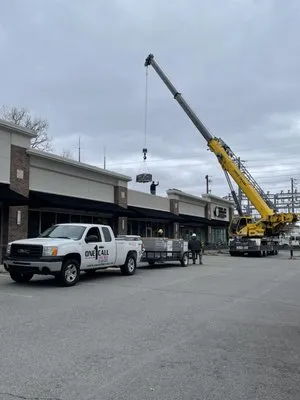
One Call Service Group
One Call Service Group has been a trusted HVAC provider in North Little Rock and central Arkansas since 1992. For over 31 years, we've built our reputation on reliable performance and genuine customer...
Jean Heating & Air is a locally owned and operated HVAC service provider in Benton, AR, founded by Alex Jean. As an Air Force veteran, Catholic High alumni, and Little Rock native, Alex started the bu...
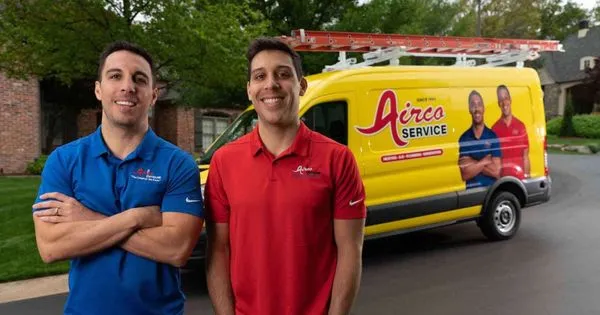
Airco Service
Airco Service is a trusted, locally-owned HVAC and plumbing company serving North Little Rock and the surrounding areas. We specialize in comprehensive home comfort solutions, from HVAC installation a...
All Heating and Air is a family-owned and operated HVAC company that has been reliably serving Benton, Little Rock, and the surrounding Arkansas communities since 1998. For over 27 years, we've built ...
Canon Heating & Air is a trusted local HVAC provider serving Jacksonville and surrounding Arkansas communities since 2002. With over two decades of experience, we specialize in customizing heating and...
Estimated HVAC Service Costs in Bryant, AR
Question Answers
What are the permitting and safety rules for a new AC installation?
All HVAC replacements in Bryant require a permit from the City of Bryant Planning and Community Development Department. As of 2026, installations using A2L refrigerants like R-454B must follow updated safety codes, which mandate specific leak detectors, service access fittings, and room size requirements for equipment. These standards ensure the mildly flammable refrigerant is handled safely. A licensed contractor will manage this process to ensure code compliance.
How old is my Bryant air conditioner likely to be?
The typical home in Bryant was built around 2001, making the original HVAC system approximately 25 years old this year. Units of this age are well beyond their designed service life. In our very humid climate, this age directly contributes to the most common failure point: condensate drain line clogs from persistent algae growth. The constant moisture in the pan creates an ideal environment for organic buildup that eventually blocks drainage.
Should I consider switching from my gas furnace to a heat pump?
For Bryant, a dual-fuel system pairing a heat pump with a gas furnace is often optimal. The heat pump handles efficient heating during milder winter temperatures and our humid spring and fall, using cheaper electricity during off-peak hours. The existing gas furnace provides reliable, rapid heat during the few deep freezes and supplements during Entergy's peak demand hours from 2 PM to 7 PM, ensuring comfort and managing operating costs.
My Ecobee thermostat is showing an E1 alert. What does that mean?
An Ecobee E1 alert indicates the thermostat is not detecting a call for cooling or heating, but the equipment is running. In Bryant, this often points to a safety lockout on the outdoor unit due to a clogged condensate drain—the water has backed up and triggered a float switch. It can also signal a failing control board or a wiring issue. This alert prevents water damage and allows for service before a complete system shutdown occurs.
What should I do if my AC stops cooling during a Bryant heatwave?
First, check your thermostat settings and the circuit breaker for the outdoor unit. If those are correct, a system in Midtown Bryant may have a failed capacitor or a refrigerant leak. We dispatch technicians from near Bishop Park, using I-30 to reach most neighborhoods within 10 to 15 minutes for emergency no-cool calls. A prompt response helps prevent secondary compressor damage from overheating on our 94°F design days.
Can my home's air handling system improve our seasonal allergies and ozone risk?
Yes, targeted filtration addresses both April pollen peaks and ground-level ozone hazards. A MERV-13 filter captures fine particulates and allergens. However, many Bryant homes built in 2001 use flexible insulated ducting, which can restrict airflow. Installing a higher-MERV filter requires a static pressure check to ensure the blower motor isn't overworked, which could reduce cooling capacity and increase energy use.
Why does my AC struggle when it gets above 95 degrees?
Central Arkansas HVAC systems are engineered for a 94°F outdoor design temperature. When actual temperatures exceed this, as they often do, the system cannot maintain the usual 20-degree delta T (temperature drop). The newer R-454B refrigerant, now standard, maintains slightly better pressure and efficiency in these extreme conditions than older R-410A, but all systems have a performance limit during peak heat events.
Is the new 14.3 SEER2 minimum worth the upgrade cost?
The 2026 federal SEER2 standard ensures new systems use significantly less energy. For Bryant, with an average electric rate of $0.11 per kWh, a modern 3-ton unit meeting this standard can cut cooling costs by roughly 20-30% compared to a 15-year-old model. The active Inflation Reduction Act rebates, with an $8,000 cap per household, can substantially offset the upfront investment, improving the payback period.
