
Top Emergency HVAC Services in Harrison, AR, 72601 | Compare & Call

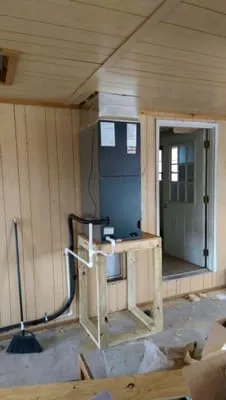
Dutton Heating & Cooling is your trusted local HVAC expert in Harrison, AR. We specialize in professional HVAC installation and replacement services designed to tackle the common problems faced by hom...
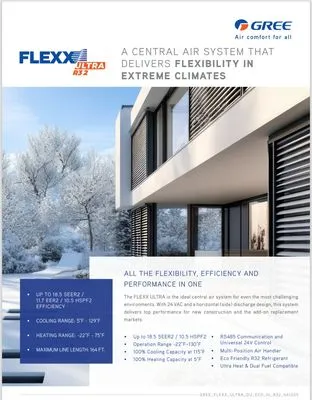
Founded by Brandon Cope, a veteran and dedicated entrepreneur, Mr HVAC (Meticulous Mechanical) began serving the Harrison community in April 2023. After meticulously studying for his Arkansas Class B ...
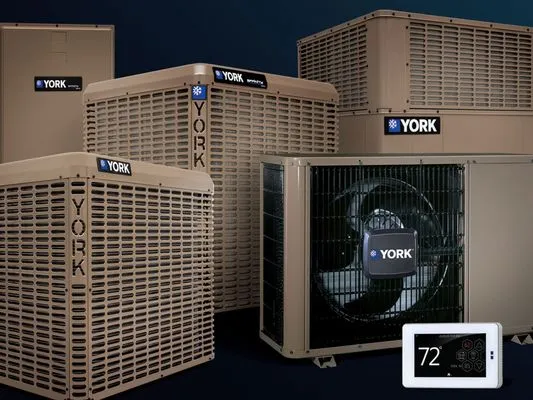
Advantage Air & Service is your trusted, local HVAC expert serving Harrison, AR, and the surrounding communities. We understand the unique challenges homeowners face in our climate, from sudden AC cap...
Capaldi's One Stop Heating & Cooling
Capaldi's One Stop Heating & Cooling is a family-owned HVAC business serving Harrison, AR, and the surrounding communities. We're local neighbors dedicated to better serving our community with a perso...
Cox Heating and Cooling is a trusted local HVAC company proudly serving Harrison, AR, and the surrounding communities. We specialize in diagnosing and fixing the most common HVAC problems faced by our...
Arrow Refrigeration & RV was founded by a technician whose career began right here in Harrison. With roots tracing back to high school RV work in 1974, he developed a strong mechanical foundation befo...

Ozark Air Conditioning, Heating & Refrigeration
Ozark Air Conditioning, Heating & Refrigeration has been a trusted HVAC provider in Harrison, AR, and the surrounding Ozarks region for over 40 years. We specialize in residential, commercial, and ind...

Jonathan Smith and Associates
Jonathan Smith and Associates is a trusted Harrison-based HVAC and general contracting company serving homeowners throughout the area. With deep roots in the community, they specialize in diagnosing a...
Curtis Heating & Cooling
Curtis Heating & Cooling has been Harrison's trusted family-owned HVAC partner since 1967, now in its third generation of service. We specialize in residential and commercial heating and cooling solut...
Conward's Heating & Cooling is a trusted HVAC company serving Harrison, AR, and the surrounding area. We specialize in diagnosing and repairing common local heating and cooling problems, including air...
Questions and Answers
Our unit is original to our 1979 home in Downtown Harrison. Should we be concerned about its age?
A system from 1979 is approximately 47 years old, which exceeds the typical 15-20 year service life. In Harrison's humid continental climate, the primary failure mode for units this age is condenser coil corrosion. The constant moisture and temperature cycling degrade the aluminum fins and copper tubing, reducing heat transfer and eventually causing refrigerant leaks. This degradation is a primary reason for declining efficiency and reliability in older Harrison homes.
We have gas heat but are considering a heat pump. Does that make sense with our cold winters and Entergy's peak pricing?
Modern cold-climate heat pumps operate efficiently in Harrison's winter lows. The key is analyzing your usage against Entergy Arkansas's peak hours of 2 PM to 7 PM. A hybrid system, which uses the heat pump as the primary heat source and switches to your existing gas furnace only during the coldest peak-rate hours, can optimize comfort and cost. This leverages the best of both fuels for our local climate and rate structure.
Our AC stopped cooling during the hottest part of the day. How quickly can a technician get to our home near Lake Harrison Park?
A no-cool call during peak heat is a priority dispatch. From our service center near US-65, we can typically reach any home in the Downtown Harrison area, including those by the park, within 5 to 10 minutes. We keep common parts for the 3-ton systems typical here on our trucks to begin diagnosis immediately upon arrival.
What does the new 14.3 SEER2 minimum efficiency standard mean for our electric bill with Entergy Arkansas rates?
The 2026 federal SEER2 mandate ensures new systems are more efficient under real-world conditions. At Harrison's average rate of $0.11 per kWh, upgrading from a pre-1992 unit to a 16 SEER2 model can save over $300 annually. The Inflation Reduction Act's HEEHRA rebates, with an $8,000 cap, can directly offset this upgrade cost, making the payback period for high-efficiency models in Harrison very attractive.
What should we know about permits and safety for a new system using the new R-454B refrigerant?
All HVAC replacements in Harrison require a permit from the Harrison Building & Zoning Department. For systems using A2L refrigerants like R-454B, which are mildly flammable, 2026 codes mandate specific safety protocols. This includes updated leak detection, service access, and equipment labeling. A licensed contractor will handle this permitting and ensure the installation meets the current International Mechanical Code and manufacturer specifications for safe operation.
With spring pollen and summer ozone alerts, can our old galvanized sheet metal ducts handle better air filters?
Your existing galvanized sheet metal with duct board is generally robust, but adding a high-MERV filter requires a static pressure check. A MERV-13 filter, ideal for pollen and fine particulates, can restrict airflow if the system wasn't designed for it. We measure static pressure before recommending such an upgrade to ensure your blower motor can handle the load without reducing cooling capacity or causing premature failure.
Our Ecobee thermostat is showing an 'E4' alert. What does this mean for our system here?
An Ecobee E4 code indicates a loss of communication with your HVAC equipment. In Harrison, this often points to a safety limit trip or a power interruption at the air handler or furnace. Given the age of many systems and the humidity, it can be an early warning of a failing component like a flame sensor on your gas furnace or a high-limit switch tripping due to reduced airflow from a dirty filter or aging blower motor.
Our old AC struggles when it hits the mid-90s. What's different about how new systems handle Harrison's summer heat?
Harrison's design temperature is 93°F, but summer peaks can exceed this, stressing older units. Modern systems with R-454B refrigerant are engineered for a higher temperature glide and maintain better pressure ratios in extreme heat. This allows them to deliver closer to their rated capacity during those peak afternoons, providing more consistent cooling when older units often cycle off on high-pressure limits.
