
Top Emergency HVAC Services in Russellville, AR, 72801 | Compare & Call


Rood Heating & Cooling
Rood Heating & Cooling is a family-owned and operated HVAC, plumbing, and insulation company serving Russellville and Central Arkansas since 1955. With over six decades of experience spanning four gen...
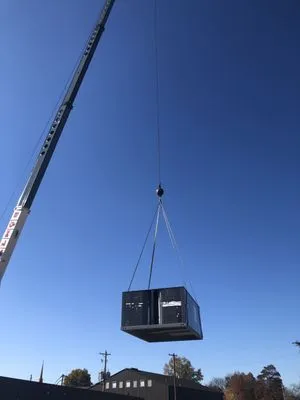
Precision Heating and Air is a locally owned and NATE-certified HVAC company founded on a commitment to honest service and fair pricing. We treat every Russellville, Atkins, and Conway area customer l...

Bright Heating & Air has been a trusted family-owned HVAC provider in Russellville, AR, and the surrounding River Valley area since April 1978. For over four decades, they've built a reputation on rel...

Arkansas River Valley Heating and Air
Arkansas River Valley Heating and Air, Inc. has been a trusted HVAC partner for homes and businesses in Russellville and the surrounding Arkansas River Valley since 2013. We specialize in comprehensiv...
McB's Plumbing, Heating, & Air
Since 1995, McB's Plumbing, Heating, & Air has been a trusted, family-owned name serving the River Valley from our home base in Russellville. Founded by Jason Bull and Dylan McGuire, we've spent nearl...
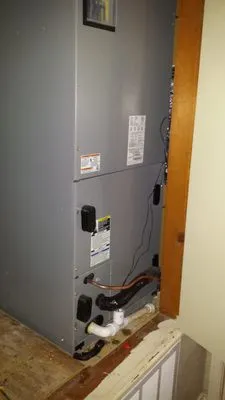
Since 1973, Roy's Heating & Cooling has been a trusted name for HVAC services in Russellville and the surrounding Arkansas communities. As a family-owned and operated business, we provide reliable hea...
AffordaBull Heat & Air
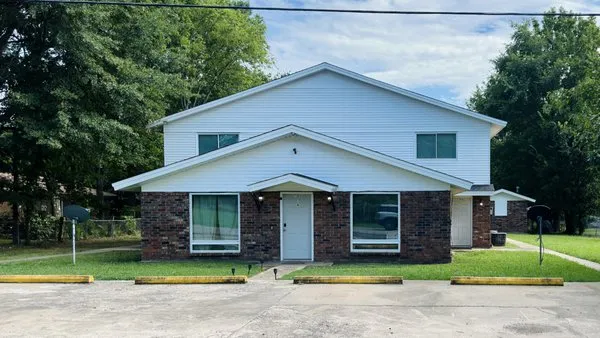
AffordaBull Heat & Air is a fully licensed and state-certified HVAC and plumbing provider serving Russellville and the surrounding areas. We specialize in a comprehensive range of services to keep hom...
Yates Heating & Air is a family-owned and operated HVAC company proudly serving Russellville and the surrounding Arkansas River Valley since 1986. For over three decades, we've built our reputation on...

Griffin Electric Heat And Air is your trusted local expert for electrical and HVAC services in Russellville, AR. We specialize in keeping your home's critical systems running safely and efficiently, d...
Tim's Tech Repair
Tim's Tech Repair has been a trusted name in Russellville since 2007, founded by local expert Timothy Smith. We are licensed HVAC professionals and appliance repair specialists dedicated to serving ou...
Common Questions
Why does my AC seem to struggle on the hottest days of summer?
Russellville's design temperature for HVAC sizing is 94°F. On days that exceed this, which is common, the system must run continuously to try and maintain setpoint, and the temperature difference (delta T) it can achieve will shrink. Modern systems using R-454B refrigerant maintain better capacity and efficiency at these elevated temperatures compared to older R-410A units, but no system is designed to cool infinitely below the outdoor temperature.
My furnace and AC unit were installed when the house was built. Should I be concerned?
A system installed around 1985 is now over 40 years old. In Russellville's humid climate, this age significantly increases the risk of condenser coil corrosion. The constant exposure to moisture accelerates the oxidation of the aluminum fins, reducing heat transfer efficiency and often leading to refrigerant leaks. Proactive maintenance becomes less effective at this stage, as internal components like the compressor are operating well beyond their intended service life.
What does the new 2026 SEER2 standard mean for my energy bills?
The federal minimum efficiency is now 14.3 SEER2, a meaningful increase from previous standards. At Entergy Arkansas's current rate of 11 cents per kWh, upgrading from a pre-2015 system to a modern 16-18 SEER2 unit can cut cooling costs by approximately 30-40%. The active Inflation Reduction Act rebates, with an $8,000 cap, directly offset the higher upfront cost of these efficient systems, improving the return on investment.
My Ecobee thermostat is showing an 'E1' alert. What does that mean here?
An Ecobee E1 error indicates the thermostat is not detecting a signal from your HVAC equipment. In Russellville, this is commonly caused by a tripped float switch due to a clogged condensate drain line—a frequent issue in our humid climate. It can also signal a failed control board or a blown low-voltage fuse. This alert prevents system operation to avoid water damage, so the drain line should be inspected and cleared as a first step.
What are the permit and safety requirements for a new AC installation now?
All installations in the city require a permit from the Russellville Building Department. Since January 2023, new equipment uses A2L refrigerants like R-454B, which are mildly flammable. This mandates compliance with updated safety standards (UL 60335-2-40), including leak detection sensors and specific circuit breaker requirements in certain installations. A licensed contractor will handle this permitting and ensure the installation meets the 2026 code for safe operation.
Can my existing ductwork handle a better air filter for our ozone and pollen issues?
Flexible ducting with standard fiberglass insulation often has higher static pressure. Installing a MERV-13 filter, which is excellent for capturing April pollen and particulate matter, may restrict airflow excessively in such a system. A technician should perform a static pressure test first. The solution may involve sealing duct leaks or upgrading to a media cabinet designed for high-efficiency filtration without straining the blower motor.
If my AC stops working on a hot day in Downtown Russellville, how quickly can a technician arrive?
For a no-cool emergency, a local technician can typically be dispatched from near Russellville City Hall and arrive at most Downtown locations within 5-10 minutes. Our proximity to the I-40 corridor allows for efficient routing across the service area. We prioritize these calls to prevent heat buildup and humidity intrusion, which can quickly affect indoor comfort and air quality.
With natural gas heat, is switching to a heat pump a good idea for Russellville?
Given Russellville's moderate winter lows and Entergy's peak rates from 2 PM to 7 PM, a dual-fuel or cold-climate heat pump system is a strong option. You can use the efficient heat pump for most heating needs and automatically switch to gas during the coldest hours or peak electricity periods for lower operating cost. This hybrid approach leverages the strengths of both fuels while improving year-round efficiency.
