
Top Emergency HVAC Services in Bouse, AZ, 85325 | Compare & Call

There are 31 hvac companies server in Bouse AZ
Suitor Heating & Cooling is a trusted, full-service HVAC company dedicated to serving the residents of Congress, Wickenburg, and the surrounding Arizona communities. Our professional team focuses on e...
Founded in 2003, Wickenburg Air is a family-owned HVAC company serving Congress, Wickenburg, Wittmann, and Yarnell. As a certified Trane Comfort Specialist, we provide dependable heating and cooling i...
Foothills Air Conditioning & Heating has been a trusted, family-owned HVAC provider serving Yuma, AZ, and the surrounding Foothills area since 1984. We specialize in professional installation, repair,...
EcoEnergy Solutions is Yuma, AZ's go-to partner for keeping homes comfortable, protected, and energy-efficient. We combine expertise in roofing, HVAC, and solar installation to offer comprehensive sol...
Hyatt Air Yuma is a family-owned HVAC company that has been providing reliable heating, cooling, and refrigeration services to Yuma residents and businesses since 1986. As a licensed and insured contr...
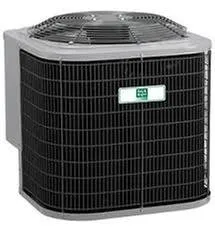
Rapid Air LLC is a licensed HVAC service provider based in Yuma, AZ, specializing in heating, air conditioning, indoor air quality solutions, ductwork, and ventilation services. Established locally, t...
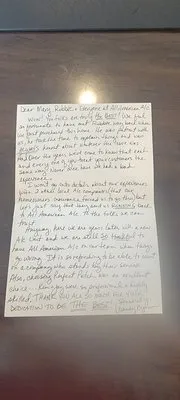
All American Air Conditioning has been a trusted HVAC partner for Lake Havasu City and Parker residents since 1971. As a factory-authorized Carrier dealer, we combine decades of local experience with ...
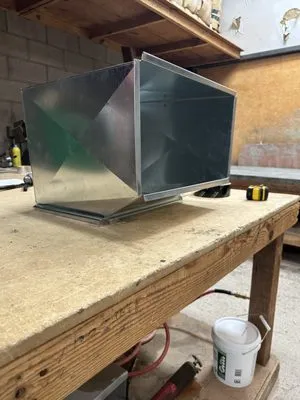
Samons Air Conditioning has been a trusted HVAC provider in Lake Havasu City since 1971, offering reliable heating and cooling solutions for residential, commercial, and industrial clients. As a premi...
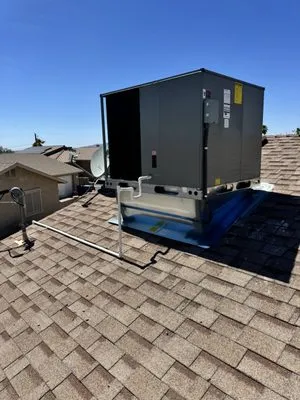
Elite Air Conditioning & Heating is a Lake Havasu City HVAC company founded on local values and deep expertise. While established as a local business in June 2023, our team brings over 15 years of ind...
For over 15 years, The Cool Dude has been Lake Havasu City's trusted family-owned HVAC partner. We handle everything from installing new systems to maintaining your current one, offering honest servic...
Estimated HVAC Service Costs in Bouse, AZ
FAQs
Is replacing my old AC worth it with the new 2026 standards?
The federal minimum efficiency standard is now 14.3 SEER2, which any new system will far exceed. Upgrading from a pre-2010 unit to a modern 18+ SEER2 model can cut cooling electricity use by nearly half. With APS rates at $0.14 per kWh, this delivers significant savings. The active Inflation Reduction Act rebates, capped at $8,000, directly offset the higher upfront cost of these high-efficiency units, improving the return on investment.
How much life is left in a typical Bouse AC system?
Most HVAC systems in Bouse are approaching 36 years old, installed when the average home was built around 1990. Units of this vintage are operating far beyond their typical 15-year service life. The primary risk for these older systems is compressor thermal overload, a failure where the refrigerant and oil break down under the sustained 114°F design temperatures. This age-related stress makes complete system failure more probable than a simple repair.
What should I do if my AC stops working on a hot afternoon in Bouse Townsite?
First, check your thermostat settings and the circuit breaker. If the system is unresponsive, a local technician can typically reach the Bouse Townsite area from the Bouse Memorial Park vicinity within 5 to 10 minutes via AZ-72. An emergency no-cool call often reveals a tripped high-pressure switch or a failed capacitor, both common in extreme heat. Prompt service can prevent secondary damage to the compressor.
Can my home's ducting handle better air filters for the desert dust?
Your flexible R-6 insulated ducting has limitations for high-static pressure filters. While a MERV-13 filter is ideal for capturing the fine particulate matter and April pollen common here, it may overly restrict airflow in an existing system. A technician should measure static pressure to confirm compatibility. A better solution is often a 4-5 inch thick media cabinet installed at the air handler, which provides superior filtration with less resistance than a standard 1-inch filter.
What are the permit and safety rules for a new AC install?
All HVAC replacements in La Paz County require a permit from the Community Development Department. Since January 2023, new systems must use A2L mildly flammable refrigerants like R-454B. Installations must comply with updated 2026 safety codes, which mandate leak detectors, revised service access clearances, and specific labeling. Using a licensed contractor ensures the installation meets these standards for safe operation and is documented correctly for utility rebate processing.
My Ecobee thermostat shows an E16 alert. What does that mean?
An Ecobee E16 code indicates the thermostat is not detecting a call for cooling from your HVAC system. In Bouse, this often points to a safety lockout on the outdoor unit due to a prior fault, such as high pressure from extreme ambient heat. Resetting power at the breaker may clear a temporary lockout. If the alert returns, it signals a need for service to address underlying issues like a dirty condenser coil, low refrigerant charge, or a failing pressure switch.
Why does my AC struggle when it's over 110°F outside?
HVAC systems are engineered to a specific design temperature, which for Bouse is 114°F. When ambient temperatures approach or exceed this limit, the system's capacity to reject heat diminishes, and it may run continuously just to maintain indoor temperature. The newer R-454B refrigerant standard for 2026 offers slightly better high-temperature performance and lower global warming potential than older refrigerants, but all systems lose efficiency in extreme heat.
Should I switch from propane heat to a heat pump in Bouse?
A cold-climate heat pump is a viable primary heat source for Bouse, given our winter lows rarely challenge modern equipment capacity. The key economic advantage comes from shifting heating load from propane to electricity, especially if you avoid the utility peak hours of 4 PM to 7 PM. The federal HEEHRA rebates make this transition financially attractive. A proper Manual J load calculation will determine the correct size to handle both summer cooling and winter heating efficiently.
