
Top Emergency HVAC Services in Fountain Hills, AZ, 85259 | Compare & Call

Red Mountain Air Conditioning
Red Mountain Air Conditioning is a family-owned and operated HVAC company serving Fountain Hills and the surrounding areas. Founded over three decades ago by a Wisconsin native who moved to Arizona in...

Shadrach Plumbing & Cooling
Shadrach Plumbing & Cooling is your trusted local expert for plumbing, heating, and air conditioning in Fountain Hills, AZ. Founded in 2021 with a combined legacy of over 140 years of community servic...
A Savings Air, LLC
A Savings Air, LLC is a licensed, bonded, and insured HVAC company serving Fountain Hills, AZ, specializing in residential heating and air conditioning needs. We provide custom system installations, r...

Discount Air Care
Discount Air Care is a trusted, locally owned HVAC provider serving Fountain Hills and surrounding communities since 2004. Founded on principles of reliability and straightforward service, we offer a ...
Since 1974, FH Air Conditioning has been a trusted name for heating and cooling services in Fountain Hills and the greater Phoenix Valley. We are a family-owned, licensed, and insured company built on...
Callison Appliance &air Condition
Callison Appliance & Air Condition is a trusted, local HVAC company serving Fountain Hills, AZ. Specializing in HVAC installation, replacement, and repair, they provide expert solutions for the specif...
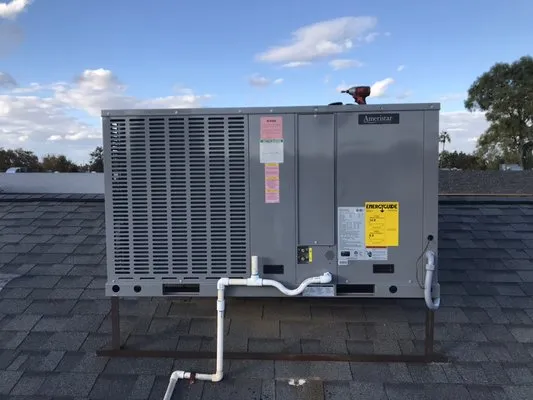
Climate Care Pro, LLC
Climate Care Pro, LLC is a family-owned and operated HVAC contractor proudly serving Fountain Hills, AZ, and the surrounding areas. We specialize in providing reliable heating and cooling solutions fo...

Desert Husky HVAC/R Services is your local Fountain Hills expert for heating and cooling solutions, built to withstand the unique demands of the Arizona desert. We understand the critical nature of a ...
Southwest Heating & Air Conditioning is the trusted local HVAC expert serving Fountain Hills, AZ, and the surrounding communities. We specialize in diagnosing and resolving the common local issues of ...
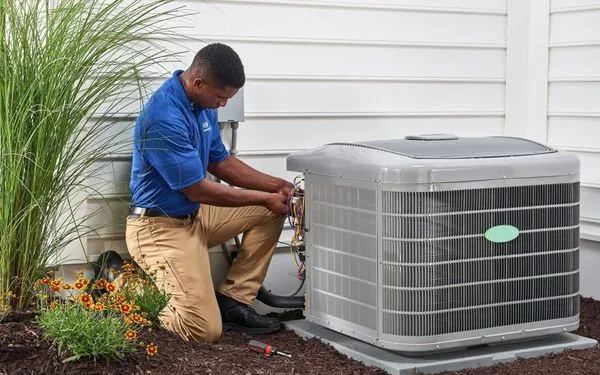
Ruthn Mendez AC Pro is a locally-owned HVAC service in Fountain Hills, built on a foundation of experience and artistry. Since 1998, with roots in military precision, founder Ruthn Mendez pursued a vi...
Questions and Answers
My HVAC system seems to be struggling more each summer. Could its age be the main issue here in Fountain Hills?
Systems in Fountain Hills average 33 years old, dating to 1993 construction. This age aligns with capacitor degradation due to extreme heat, as capacitors contain electrolyte that dries out faster in arid climates. Older units also operate less efficiently under 110°F design temperatures, increasing electrical strain. Regular maintenance can extend lifespan, but components often require replacement after 15-20 years of service.
My AC stopped cooling during peak heat near Fountain Park. How quickly can a technician arrive for emergency service?
Technicians dispatch from locations along AZ-87, reaching Fountain Hills Town Center within 5-10 minutes for no-cool emergencies. This response time accounts for traffic patterns near the landmark Fountain Park. Immediate troubleshooting typically involves checking capacitor function and refrigerant levels, common failure points in local systems. Quick service prevents further heat stress on components during Arizona summers.
What permits and safety standards apply to new R-454B refrigerant installations in Fountain Hills?
Town of Fountain Hills Development Services requires permits for HVAC replacements involving A2L refrigerants like R-454B. 2026 standards mandate leak detection systems, service valve placement, and proper ventilation for mildly flammable refrigerants. Installations must follow ASHRAE 15 safety protocols and manufacturer specifications for charge limits. Certified technicians complete specialized training for A2L handling, with documentation submitted to the permit office before system activation.
Why does my AC struggle when temperatures approach 110°F during Fountain Hills summers?
HVAC systems are designed for 110°F outdoor temperatures, but actual conditions sometimes exceed this limit. R-454B refrigerant maintains stable performance up to design temperatures with proper charge levels. When ambient heat surpasses design specifications, capacity drops approximately 1-2% per degree above 110°F. Proper sizing through Manual J calculations ensures systems handle typical Fountain Hills conditions while maintaining efficiency during peak heat events.
My Ecobee thermostat shows an E1 error code. What does this mean for my Fountain Hills HVAC system?
Ecobee E1 alerts indicate communication loss between thermostat and HVAC equipment, often signaling capacitor issues or power interruptions. In Fountain Hills, this frequently correlates with capacitor degradation from sustained high temperatures. The error may also indicate low refrigerant charge affecting system operation. Professional diagnosis verifies whether the issue involves electrical components, refrigerant levels, or control board failures common in local installations.
How can I improve indoor air quality given Fountain Hills' ozone risk and April pollen peaks?
MERV-13 filters effectively capture pollen and particulate matter during April peaks while addressing ozone-related contaminants. Flexible R-6 insulated ductwork in local homes generally handles MERV-13 without significant static pressure issues when properly sized. Regular filter changes maintain airflow while protecting against Arizona's arid conditions. Whole-house filtration systems provide additional protection during high AQI periods common in desert climates.
What efficiency standards apply to new AC installations in Fountain Hills for 2026, and how do rebates affect costs?
Current installations require minimum 15.2 SEER2 ratings under 2026 federal mandates. The Inflation Reduction Act provides up to $8,000 in HEEHRA rebates for qualifying high-efficiency systems. With SRP electricity rates at $0.14/kWh, upgrading from older units typically yields 30-40% energy savings. Combining utility Cool Cash rebates with federal incentives makes high-SEER2 systems cost-effective within 3-5 year payback periods.
Should I consider switching from electric resistance heat to a heat pump in Fountain Hills?
Heat pumps offer efficient heating during Fountain Hills' mild winters with lows around 40°F, operating effectively down to 5°F with modern technology. Avoiding SRP peak hours from 14:00-20:00 reduces operating costs significantly compared to electric resistance heating. Dual-fuel systems combining heat pumps with existing electric heat provide backup during rare cold snaps. The transition typically qualifies for HEEHRA rebates when meeting SEER2 requirements.
