
Top Emergency HVAC Services in Glendale, AZ, 85301 | Compare & Call


Boldt HVAC & Repair is a locally owned and operated heating and air conditioning service provider serving Glendale, AZ, and the surrounding areas. Founded in 2009 by an owner with a background in elec...
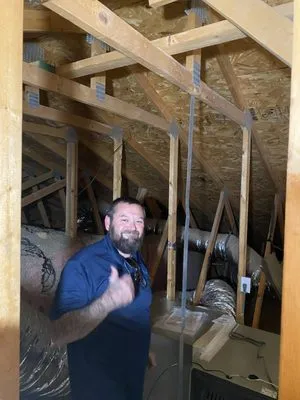
Icicle Air is a Glendale-based HVAC company founded on over twenty years of industry experience. We specialize in residential and commercial heating and cooling services, focusing on reliable, quality...
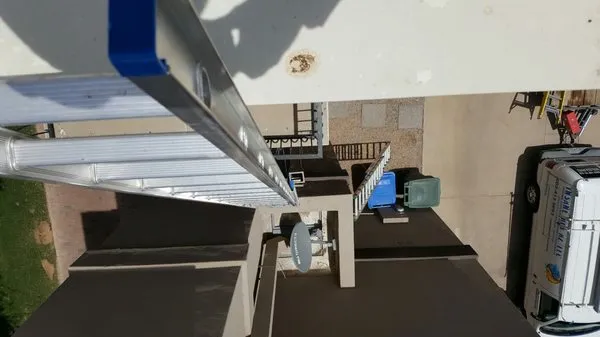
Insane Air AZ is a Glendale-based HVAC/R company founded in 2014, dedicated to solving complex heating and cooling challenges for Arizona homes and businesses. We focus on providing straightforward, e...
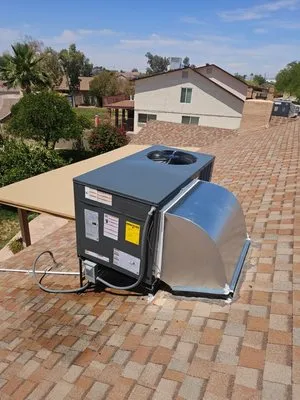
Krahn & Son Mechanical is a trusted, family-owned HVAC company serving Glendale, AZ, and the surrounding areas. With decades of combined experience, we specialize in heating and air conditioning insta...
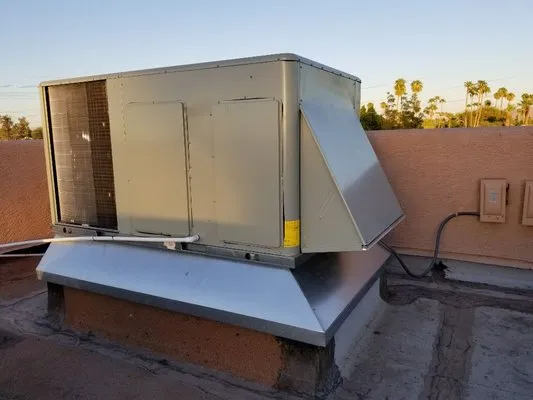
AirZona HVAC has been serving Glendale, AZ, and the surrounding communities for over 20 years, specializing in both residential and commercial heating and air conditioning needs. As an authorized Tran...
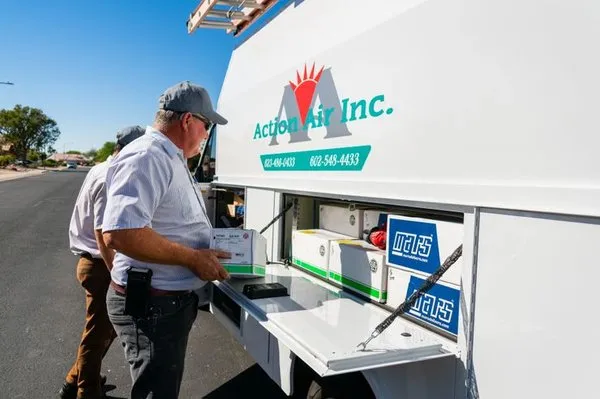
Action Air is a family-owned Glendale HVAC company, started in 1995 by local brothers Mike and his sibling. Born in Phoenix and a graduate of Cactus Shadows High School, Mike knows firsthand how essen...

Total Care Heating & Cooling is a family-owned and operated HVAC company based in Glendale, AZ, serving the West Valley with a commitment to honest, transparent service. Founded by Sammy Sayegh after ...
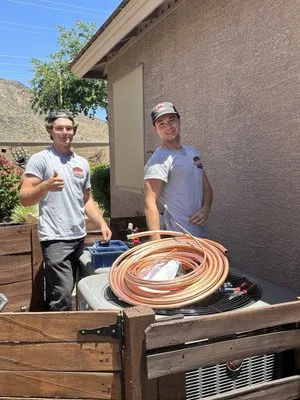
Red Rock Air Heating & Cooling
Red Rock Air Heating & Cooling is a family-operated HVAC and insulation service based in Glendale, Arizona, founded in 2013 by a husband-and-wife team. The owner brings a robust background to every jo...
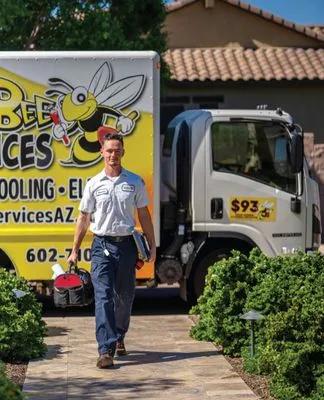
Bumble Bee Home Services is a locally owned and operated company in Glendale, Arizona, founded by General Manager Mike Krpata. With over 26 years of plumbing experience since 1997, Mike is a detail-or...
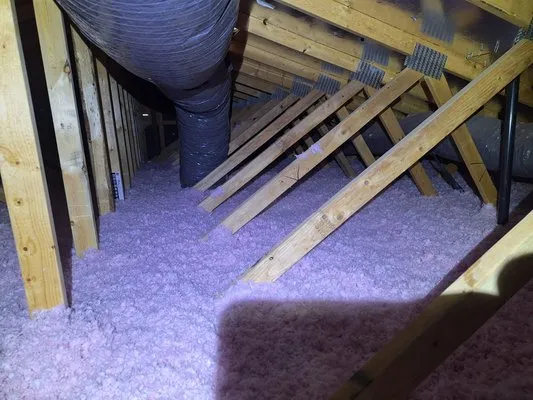
Attic R Us
Attic R Us is a Glendale-based insulation and HVAC contractor serving the greater Phoenix area. Founded on the principle of quality over quantity, we specialize in attic and crawl space solutions, usi...
Q&A
What efficiency standards apply to new AC installations in Glendale for 2026?
Current installations require minimum 15.2 SEER2 ratings under federal regulations. The Inflation Reduction Act provides up to $8,000 in HEEHRA rebates for qualifying high-efficiency systems. With SRP electricity rates at $0.14/kWh, upgrading from older units typically yields 40-50% energy savings. Combining utility rebates with federal incentives makes high-SEER2 systems cost-effective for Glendale homeowners.
My Ecobee thermostat shows an E160 error code. What does this mean for my Glendale AC system?
The Ecobee E160 alert indicates communication loss between the thermostat and outdoor unit. In Glendale's heat, this often precedes compressor thermal overload or refrigerant pressure issues. Immediate investigation prevents complete system failure during high-demand periods. Technicians verify control wiring integrity and check for voltage fluctuations that commonly trigger this error in older Glendale homes.
My AC stopped cooling during a hot afternoon in Historic Downtown Glendale. How quickly can help arrive?
Emergency no-cool calls receive priority dispatch with 15-25 minute response times from technicians based near Sahuaro Ranch Park. Service vehicles use Loop 101 for efficient routing throughout Glendale. Immediate troubleshooting typically identifies common issues like capacitor failure or refrigerant leaks. Quick response prevents further heat stress on system components during Arizona summers.
My AC unit is original to my 1985 Glendale home. Should I be concerned about its reliability?
A 41-year-old system in Glendale operates well beyond its typical 15-20 year lifespan. Older units face compressor thermal overload risks during extreme ambient heat due to degraded insulation and worn electrical components. The 110°F design temperature in Historic Downtown Glendale pushes aging systems beyond original engineering limits. Proactive replacement prevents emergency failures during peak cooling demand.
Should I consider switching from gas heat to a heat pump in Glendale?
Heat pumps offer efficient heating during Glendale's mild winters with lows around 40°F. SRP's 4-7 PM peak hours make heat pump operation during off-peak periods cost-effective. Modern cold-climate models maintain capacity down to 5°F while providing efficient cooling in summer. The HEEHRA rebate covers heat pump installations, making transition from gas systems financially attractive with proper load calculations.
What permits and safety standards apply to new AC installations in Glendale?
The Glendale Planning and Development Department - Building Safety Division requires permits for all HVAC replacements. 2026 installations using R-454B refrigerant must follow A2L safety standards including leak detection and proper ventilation. Certified technicians complete specialized training for handling mildly flammable refrigerants. Compliance ensures system safety and maintains warranty coverage while meeting current building codes.
Can my existing ductwork handle better air filtration for Glendale's ozone and pollen concerns?
Galvanized sheet metal with external duct board insulation generally supports MERV-13 filters without excessive static pressure buildup. March pollen peaks and ground-level ozone risks make enhanced filtration valuable for indoor air quality. Proper filter sizing and regular maintenance prevent airflow restriction. Higher MERV ratings capture finer particulates while maintaining system performance in arid Glendale conditions.
How does Glendale's extreme heat affect modern AC system performance?
Glendale's 110°F design temperature represents the engineering limit for proper cooling capacity. R-454B refrigerant maintains stable pressure-temperature relationships better than older refrigerants in extreme heat. Systems sized using Manual J calculations account for local climate factors including solar gain and insulation values. Proper installation ensures adequate delta T between supply and return air during peak temperature conditions.
