
Top Emergency HVAC Services in Peoria, AZ, 85310 | Compare & Call

There are 239 hvac companies server in Peoria AZ
Arizona's Dukes of Air
Arizona's Dukes of Air is a licensed HVAC and plumbing company serving Mesa and the East Valley with over 25 years of combined experience. We provide comprehensive heating, cooling, and plumbing servi...
ER Heating & Air Conditioning is a locally owned and operated HVAC provider dedicated to serving Sun City, AZ, and the Greater Phoenix area. Our team of licensed, experienced technicians is committed ...
Larson Air Conditioning
Larson Air Conditioning is a locally owned and operated HVAC company in North Scottsdale, founded by Jared and Jamie Larson. Serving the entire Greater Phoenix area, they specialize in residential and...
1st Choice Mechanical
1st Choice Mechanical is a family-owned HVAC, plumbing, and insulation company serving Phoenix, AZ, and surrounding areas. With over 20 years of combined experience, we specialize in comprehensive hea...
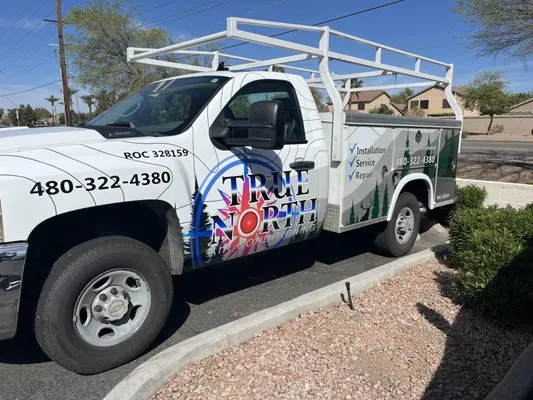
True North Air Conditioning
True North Air Conditioning is your local, licensed HVAC specialist serving Gilbert and the wider East Valley. We provide reliable heating and cooling solutions designed for the unique demands of our ...

Hansen Family
Hansen Family Plumbing and Air is a true Mesa family business, built on generations of hands-on experience. Founder Erik Hansen grew up in the trade, learning from his father and counting his experien...
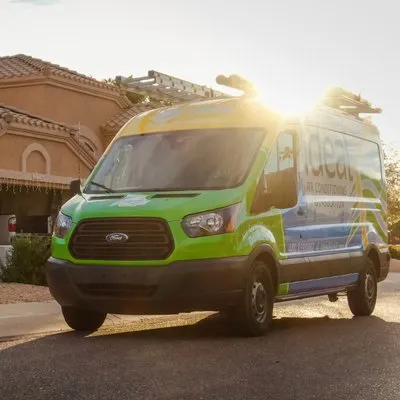
Ideal Air Conditioning and Insulation
Ideal Air Conditioning and Insulation is a Phoenix-based HVAC and home performance contractor co-owned by Alex and Elena, both ASU Design Studies graduates with a focus on the built environment. Alex ...
Boldt HVAC & Repair is a locally owned and operated heating and air conditioning service provider serving Glendale, AZ, and the surrounding areas. Founded in 2009 by an owner with a background in elec...
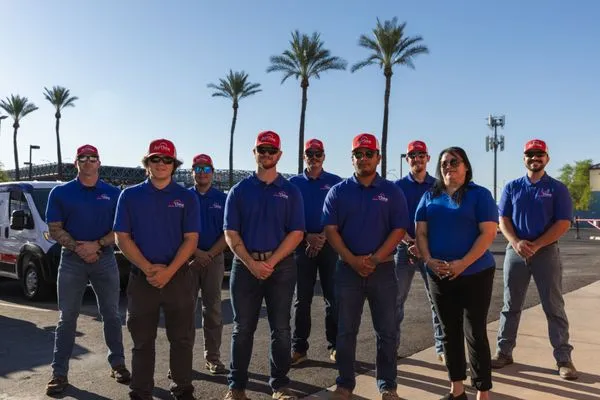
Since 1999, AirTime Cooling and Heating has been a trusted, licensed, and bonded HVAC provider serving Mesa and surrounding communities. Our team, certified by the Building Performance Institute (BPI)...
Since 2005, Johnny's Air Conditioning and Heating has been a trusted local resource for Scottsdale homeowners. We specialize in the reliable service and repair of HVAC systems, focusing on getting you...
Estimated HVAC Service Costs in Peoria, AZ
Q&A
Can my home's duct system handle a better air filter to help with ozone and spring pollen?
Arid climates like Peoria's see ozone risks and a March pollen peak, making filtration important. Your existing duct board system with R-6 insulation can often accommodate a MERV-13 filter, but it requires a static pressure check. Installing a filter that's too restrictive can choke airflow, reduce cooling capacity, and strain the blower motor. A technician can measure your system's static pressure to confirm it's within design limits before upgrading.
What should I know about permits and safety for a new AC installation?
All HVAC replacements in Peoria require a permit from the City of Peoria Development and Engineering Department. As of 2026, new systems using mildly flammable A2L refrigerants like R-454B must comply with updated safety standards (UL 60335-2-40). This includes mandated leak detectors, revised clearance distances, and specific contractor certification. A proper permit ensures the installation meets these current codes for safety and system performance.
My Ecobee thermostat is showing an 'E1' alert. What does this mean for my AC?
An Ecobee E1 error indicates the thermostat has lost communication with your HVAC equipment. In Peoria, this is frequently triggered by a safety lockout on the outdoor unit due to extreme heat or a failing component like the capacitor. The system shuts down to prevent compressor damage. This specific alert allows for early intervention before a complete failure occurs on a peak demand day.
Is it worth replacing my old AC with a higher-efficiency model given current electricity costs?
The current federal minimum SEER2 standard is 14.3, but modern systems available in Peoria often reach 18 SEER2 or higher. At a local rate of $0.14 per kWh, upgrading from a 10 SEER unit to an 18 SEER2 model can cut cooling costs significantly. The active Inflation Reduction Act rebates, offering up to $8,000 for qualified heat pump installations, substantially improve the payback period on this investment.
My AC unit was installed when my house was built. Should I be concerned about its age?
Homes in Vistancia built around 1998 have HVAC systems now approaching 28 years old. Equipment from that era was designed for a different climate and less stringent efficiency standards. The primary failure point we see is capacitor degradation, as the intense summer heat accelerates the breakdown of internal components. An aging unit often struggles to meet the 111°F design load, leading to longer run times and increased wear.
If my AC stops working on a summer afternoon, how quickly can a technician get to my home in Vistancia?
A technician can typically be dispatched from the Peoria Sports Complex area within 15 to 25 minutes via Loop 303 for a no-cool emergency call. We prioritize these calls, especially during peak heat, to prevent indoor temperatures from rising rapidly. Having the model and serial number of your outdoor unit ready when you call helps us prepare the correct parts, like a capacitor, for the first visit.
I use gas heat now. Does a heat pump make sense for our mild winters and high summer cooling costs?
For Peoria homes, a cold-climate heat pump is a viable year-round solution. With winter lows around 40°F, modern units efficiently provide heat without auxiliary strips. Pairing it with a hybrid system that uses your existing gas furnace as a backup for the coldest hours can optimize cost. Programming the system to avoid the 4 PM to 7 PM utility peak hours for electric heat can further manage operating expenses.
Why does my air conditioner seem to struggle on the very hottest days we get?
Peoria's summer highs can exceed 115°F, but residential systems are engineered for a 111°F design temperature. This 4+ degree gap means the unit operates at its maximum capacity for extended periods, reducing its ability to lower the indoor temperature further. Modern R-454B refrigerant, now the standard, maintains better pressure and efficiency in these extreme conditions compared to older R-410A, but all systems have a thermodynamic limit.
