
Top Emergency HVAC Services in Scottsdale, AZ, 85250 | Compare & Call

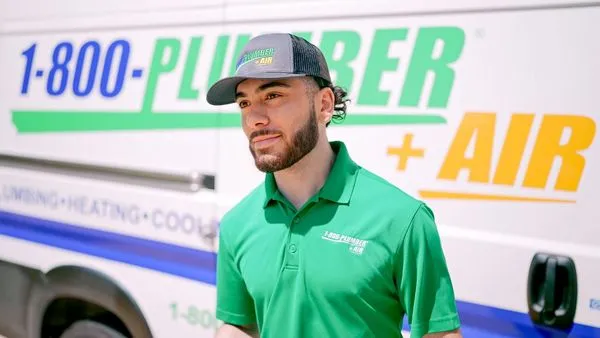
1-800-Plumber +Air
1-800-Plumber +Air is a trusted, locally-operated service provider for Scottsdale, Phoenix, Tempe, and Paradise Valley residents. As a licensed plumbing and HVAC specialist, they handle everything fro...
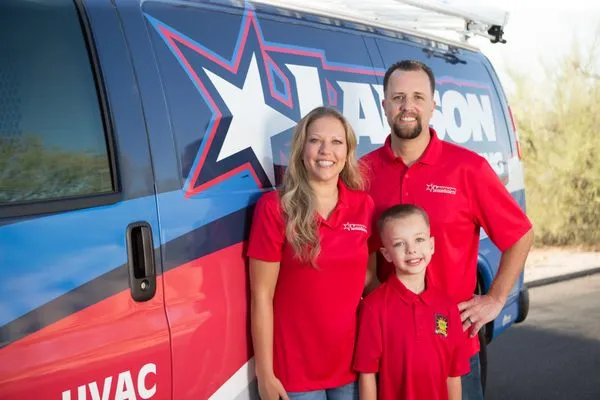
Larson Air Conditioning
Larson Air Conditioning is a locally owned and operated HVAC company in North Scottsdale, founded by Jared and Jamie Larson. Serving the entire Greater Phoenix area, they specialize in residential and...
Since 2005, Johnny's Air Conditioning and Heating has been a trusted local resource for Scottsdale homeowners. We specialize in the reliable service and repair of HVAC systems, focusing on getting you...
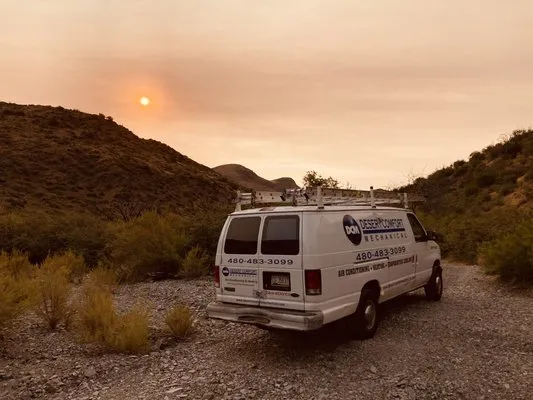
Desert Comfort Mechanical
Desert Comfort Mechanical is a licensed HVAC contractor serving Scottsdale and the Phoenix metro area, providing 24/7 air conditioning, heating, and refrigeration services. With NATE-certified technic...
AC by J
AC by J is a locally owned and operated family business serving Scottsdale and the greater Phoenix Valley since 1983. As the President, Kelly Johnson leads a team dedicated to providing professional, ...
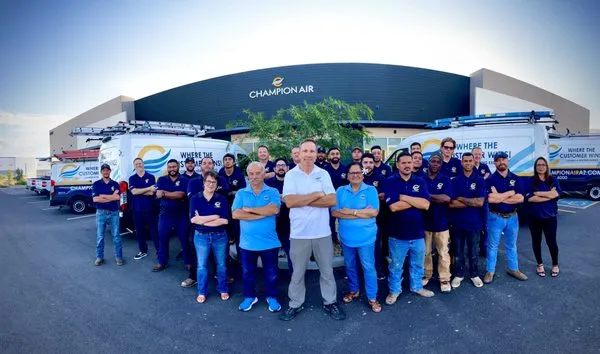
Champion Air
Champion Air is a locally owned and operated HVAC contractor that has been trusted by Scottsdale and Phoenix homeowners since 1982. As a Lennox Premier Dealer, our team specializes in heating and cool...
Cool/Hot Guys AC is a Scottsdale-based HVAC company founded by Joe, who brings over 20 years of hands-on experience in repair, replacement, and maintenance. His background includes Union-certified ele...
Air Conditioning Of Arizona
Air Conditioning Of Arizona is your local Scottsdale-based HVAC specialist, committed to improving home comfort and energy efficiency. As a licensed independent Trane Comfort Specialist™ dealer, we pr...
Overland Heating and Cooling is a family-operated HVAC company with three decades of experience serving Scottsdale, Arizona and surrounding communities. We specialize in professional installation, rep...
Martinez HVAC is a Scottsdale-based heating and air conditioning company owned and operated by Xavier Martinez, a former first responder with extensive HVAC expertise. We provide reliable residential ...
Question Answers
Given Scottsdale's mild winters and peak electricity rates, should I consider switching from gas heat to a heat pump?
With winter lows rarely below freezing and SRP's peak rates from 4-7 PM, heat pumps offer an efficient alternative to gas heating in Scottsdale. Modern cold-climate heat pumps maintain efficiency down to 5°F, covering virtually all local conditions. The switch eliminates gas bills while qualifying for IRA rebates, though proper sizing requires a Manual J calculation to account for the home's specific heat loss characteristics.
My AC unit seems to be struggling more each summer. Could its age be the main factor?
In Scottsdale, the average home was built around 1990, making many HVAC systems about 36 years old in 2026. Units this old often experience capacitor degradation due to extreme heat exposure over decades. The electrical components in older capacitors dry out and lose capacitance, causing hard starts or complete failure during peak demand. This is a primary reason for emergency no-cool calls during Arizona summers.
Why does my AC seem to struggle on the hottest days above 110°F?
Scottsdale's design temperature is 110°F, meaning systems are engineered to maintain 75°F indoors at that outdoor temperature. When temperatures exceed this limit, capacity drops and the system runs continuously. The newer R-454B refrigerant maintains better performance at extreme temperatures than older refrigerants, but all systems experience reduced efficiency when outdoor conditions surpass their design parameters.
What permits and safety standards apply to installing a new R-454B system in Scottsdale?
The City of Scottsdale Planning and Development Services requires permits for HVAC replacements, ensuring compliance with 2026 A2L refrigerant safety standards. R-454B systems must include leak detection, emergency ventilation, and proper labeling per UL 60335-2-40. Technicians need EPA Section 608 certification for A2L refrigerants, which are mildly flammable but have lower global warming potential than previous options.
With March pollen peaks and ozone risks, what filtration upgrade makes sense for my home?
MERV-13 filters effectively capture pollen and particulate matter, but Scottsdale's common flex duct with galvanized steel plenum systems may develop static pressure issues with such high filtration. Before upgrading, a technician should measure static pressure to ensure your blower can handle the restriction. Properly balanced systems with MERV-13 can reduce indoor ozone formation while trapping pollen during peak season.
My Ecobee thermostat shows an E1 error code. What does this mean for my Scottsdale home?
The Ecobee E1 alert indicates the thermostat isn't detecting proper equipment operation, often signaling communication loss with the HVAC system. In Scottsdale's heat, this frequently points to capacitor failure preventing the compressor from starting. The error triggers before complete failure, allowing proactive repair. Technicians can diagnose whether it's a simple capacitor replacement or requires addressing underlying electrical issues exacerbated by thermal stress.
My AC stopped cooling during a hot afternoon in Old Town Scottsdale. How quickly can help arrive?
From our service center near Scottsdale Fashion Square, technicians can reach Old Town Scottsdale via Loop 101 within 15-25 minutes for emergency calls. We prioritize no-cool situations during heat waves, dispatching immediately with diagnostic tools and common replacement parts like capacitors. This rapid response prevents indoor temperatures from rising dangerously in unairconditioned homes.
What does the 15.2 SEER2 minimum requirement mean for my replacement system costs?
The 2026 SEER2 standard requires new systems to achieve at least 15.2 SEER2, about 8% more efficient than previous SEER ratings. At Scottsdale's 14¢/kWh electricity rate, this translates to meaningful savings over older units. Combined with the Inflation Reduction Act's $8,000 rebate cap, the higher efficiency often pays for itself within the warranty period through reduced SRP utility bills.
