
Top Emergency HVAC Services in Show Low, AZ, 85901 | Compare & Call

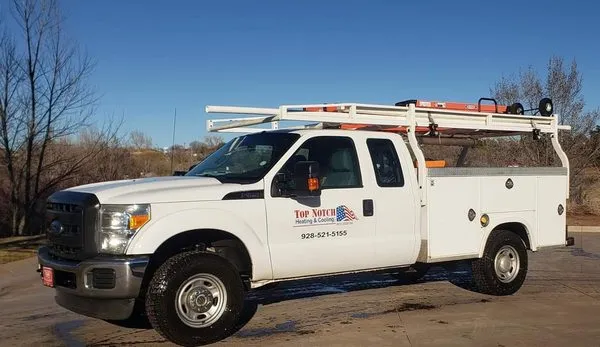
Top Notch Heating & Cooling is a trusted HVAC company serving Show Low, AZ, and the surrounding White Mountains area. We specialize in diagnosing and repairing common local HVAC issues that many homeo...
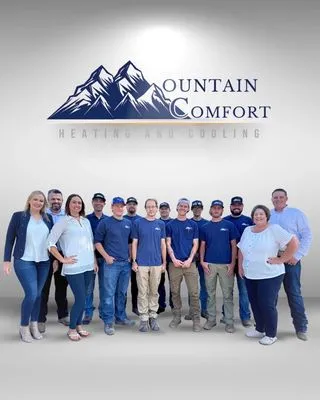
Mountain Comfort Heating & Cooling
Mountain Comfort Heating & Cooling is a family-owned and operated business proudly serving Show Low and the surrounding White Mountains of Arizona since 1981. We provide professional HVAC services for...
Russell & sons
Founded in 2022 with a decade of prior industry experience, Russell & Sons is a locally-owned and operated HVAC and plumbing company serving Show Low and all of Northern Arizona. We built our business...
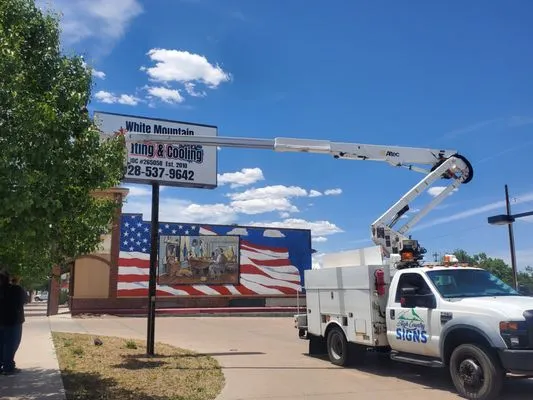
White Mountain Heating & Cooling
White Mountain Heating & Cooling has been a trusted local HVAC provider in Show Low and the surrounding White Mountains since 2010. Voted #1 on the Mountain for five consecutive years, we've built our...
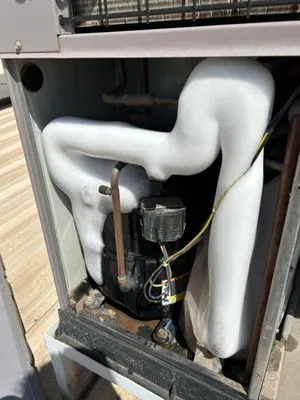
Maverick Heating and Cooling is a locally owned and operated HVAC service in Show Low, founded by Austin Allen. Austin began his career in the early 2000s at the East Valley Institute of Technology an...
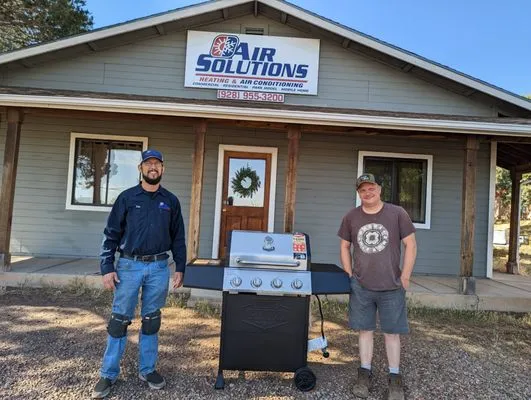
Air Solutions
Air Solutions is a family-owned HVAC and fireplace service company proudly serving the White Mountains from its Show Low location. Founded in Yuma and now operating locally under technician Luke Grind...
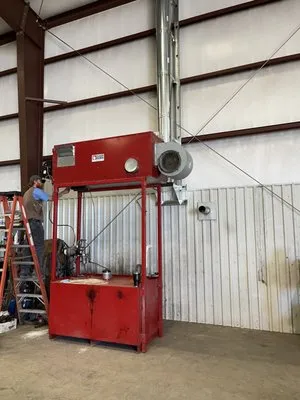
Haines Heating & Cooling is a trusted HVAC company serving Show Low, AZ, and the surrounding White Mountains area. We specialize in installation, repair, and maintenance of heating and cooling systems...
D R Plumbing Heating & Cooling
D R Plumbing Heating & Cooling is a trusted local service provider in Show Low, AZ, specializing in comprehensive plumbing, heating, and cooling solutions. With over two decades of industry experience...
Rim Country Mechanical has been a trusted heating and cooling partner for Show Low and Northern Arizona since 1993. Founded by Corey, who began his career as an installer at 18 and later honed his exp...
Mogollon Mechanical is a family- and veteran-owned commercial HVAC contractor serving Show Low, Snowflake, and the surrounding areas. With over 25 years of experience, we are a fully licensed, bonded,...
Question Answers
What if our AC stops working on a hot day in the Show Low City Center?
A no-cool emergency requires a technician to verify refrigerant charge and electrical integrity. From our service location near Fool Hollow Lake Recreation Area, we can typically reach homes in the City Center via AZ-260 within a 10-15 minute dispatch window. This rapid response is critical to prevent further system stress and restore comfort before indoor temperatures rise significantly.
Are new efficiency standards worth the investment with current electric rates?
The 2026 federal minimum is now 14.3 SEER2, but modern systems often achieve 18 SEER2 or higher. At Arizona Public Service rates of $0.14 per kWh, the annual savings from this jump in efficiency are substantial. The active Inflation Reduction Act rebates, with caps up to $8,000, directly offset the higher initial cost of qualifying high-efficiency equipment, improving the payback period.
Can our home's ductwork handle better filters for wildfire smoke and pollen?
The existing galvanized sheet metal with fiberglass wrap is a robust platform for air quality upgrades. Its smooth interior allows for evaluating higher MERV-13 filters, which effectively capture PM2.5 from wildfires and May pollen peaks. A technician must measure static pressure to ensure the blower motor can handle the increased airflow resistance without reducing system performance or causing freeze-ups.
Why does our AC seem to struggle on the hottest summer afternoons?
Show Low's design temperature for cooling equipment is 86°F, but summer highs can exceed this by 15-20 degrees. This gap means the system must run continuously to approach the thermostat setpoint, reducing its apparent cooling capacity. Modern R-454B refrigerant, now standard in 2026, maintains better pressure and heat transfer efficiency in these high-ambient conditions compared to older R-410A, but the fundamental capacity limit remains.
What are the new rules for installing a modern AC system?
All installations in Show Low require a permit from the Planning and Building Department. Since 2025, new systems using R-454B or other A2L 'mildly flammable' refrigerants must follow updated safety standards. These include specific leak detection requirements, revised clearance distances for equipment, and specialized technician certification. Proper permitting ensures the installation meets these 2026 codes for safety and system performance.
Should we consider switching from propane heat to a heat pump?
For Show Low, a cold-climate heat pump is a viable primary heat source, especially with backup for temperatures below its balance point, typically around 20-30°F. The economics improve when shifting from propane to electricity, particularly if you avoid APS peak hours from 4 PM to 7 PM. Pairing a heat pump with the IRA tax credits can significantly reduce the upfront cost of transitioning away from fossil fuel heat.
Our Ecobee thermostat is showing an E1 alert. What does that mean here?
An Ecobee E1 error indicates the thermostat has lost communication with the HVAC equipment. In Show Low, this is often not a thermostat failure but a symptom of a safety switch trip or a power interruption at the air handler or furnace. Given our climate, the cause could be a condensate line blockage from dust, a tripped high-pressure switch from extreme heat, or the common capacitor failure cutting power to the control board.
Our system is original to our home. Is that a problem?
Homes in Show Low built around 1997 often have original systems approaching 30 years old. This age places them beyond their typical design lifespan, making components like capacitors more vulnerable. The extreme temperature fluctuations we experience, from hot summer days to cool mountain nights, cause repeated expansion and contraction. This thermal stress accelerates the degradation of these electrical components, leading to the common failure point of capacitor breakdown.
