
Top Emergency HVAC Services in Sierra Vista, AZ, 85613 | Compare & Call

American Comfort
American Comfort is a trusted, locally-owned contractor serving Sierra Vista, Arizona, with over 16 years of dedicated experience. We specialize in a comprehensive approach to home improvement and eff...
Vista Pros Heating & Cooling
Born from a friendship forged while working for another local HVAC company, Vista Pros Heating & Cooling was founded by Sierra Vista neighbors who wanted to do business differently. With a combined 30...
Afterhours Services
Afterhours Services provides emergency heating, cooling, and plumbing solutions for Sierra Vista residents when you need them most. As a local HVAC and water heater specialist, we understand the uniqu...

One Hour Air Conditioning & Heating
One Hour Air Conditioning & Heating in Sierra Vista, AZ, is a local HVAC service provider dedicated to keeping homes comfortable with reliable heating and cooling solutions. They offer a range of serv...
Saguaro Air Solutions LLC is a NADCA-certified HVAC service provider in Sierra Vista, AZ, dedicated to delivering professional, quality, and efficient heating, cooling, and ventilation solutions for b...
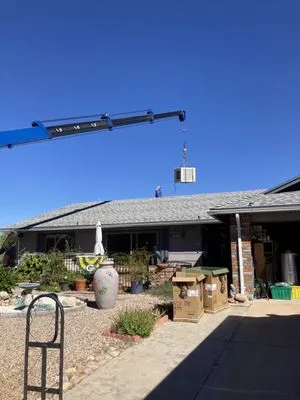
Rite Way Heating Cooling & Plumbing: Sierra Vista
I'm Jimmy Ruby, General Manager of Rite Way Heating Cooling & Plumbing: Sierra Vista, powered by Arizona Comfort Systems. A graduate of RSI and NATE-certified, I've been part of this family business s...

Berg Enterprises, Inc. has been a trusted name in Sierra Vista's heating and cooling since 1974. As a family-owned business, we've built our reputation on reliable HVAC services for both homes and loc...
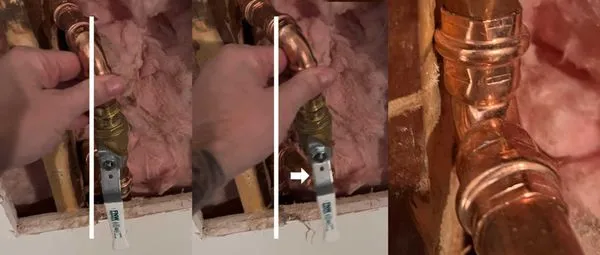
Sierra Vista Plumbing
Sierra Vista Plumbing, Inc. is a trusted local plumbing and HVAC provider serving Sierra Vista, AZ, and surrounding areas with over 30 years of experience. We specialize in a comprehensive range of se...
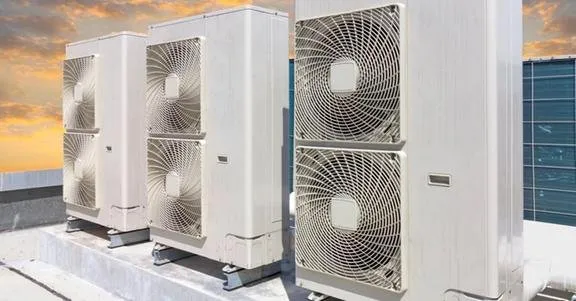
Qualified Comfort AC Repair and Services is Sierra Vista's trusted local HVAC expert, dedicated to keeping homes comfortable year-round. We specialize in professional HVAC installation and replacement...

First West Servicing Corporation
First West Servicing Corporation is a trusted, locally-owned provider of HVAC and home maintenance solutions for residents and businesses throughout Sierra Vista and Southeastern Arizona. We focus on ...
Questions and Answers
What are the permit and safety requirements for a new AC installation in 2026?
All new installations in Sierra Vista require a permit from the City Development Services Division. Since 2025, systems using A2L refrigerants like R-454B, which are mildly flammable, must adhere to updated safety codes (like IECC 2024). This mandates specific leak detection, airflow adjustments, and clearly marked equipment, ensuring safe operation in your home's confined mechanical space.
Why does my older AC struggle when temperatures exceed 100°F?
Most systems in Sierra Vista are designed for a 96°F outdoor temperature. When actual temps climb higher, the system's capacity drops and it runs continuously, struggling to maintain a set point. Modern units using R-454B refrigerant are engineered for better high-temperature performance and can maintain a stable delta T, or temperature split, even during our most intense summer heat.
How can I improve indoor air quality with our local dust and pollen?
Advanced filtration targeting PM10 dust and April pollen is key. A MERV-13 filter is highly effective, but its use depends on your duct system. The common flexible R-6 insulated ductwork in local homes can often handle this upgrade, but a static pressure test is recommended first to ensure your blower motor isn't overworked, which would reduce airflow and efficiency.
Is the new 14.3 SEER2 minimum efficiency standard worth the investment here?
Yes, especially with current incentives. The 2026 SEER2 standard ensures new systems use significantly less energy than older models. At Sierra Vista's average rate of $0.13/kWh, the annual savings are substantial. The federal Inflation Reduction Act rebate, providing up to $8,000 for a qualifying heat pump installation, can effectively offset the higher upfront cost of a high-SEER2 unit.
Should I consider switching from my electric furnace to a heat pump?
For Sierra Vista's climate, a modern cold-climate heat pump is an excellent primary heat source. It provides efficient heating during our mild winters, where temperatures rarely challenge its low-temperature capability. To maximize savings, operate it during off-peak hours, avoiding the 4 PM to 7 PM utility window, and leverage the significant federal rebates available for the switch.
My Ecobee thermostat is showing an 'E1' alert. What does this mean for my system?
An Ecobee E1 error indicates the thermostat is not detecting power from your HVAC system's control circuit. In Sierra Vista, this commonly points to a failed low-voltage fuse or a safety switch tripping due to a primary issue like a faulty capacitor or high-pressure cutout from extreme heat. It's a diagnostic signal prompting a technician to check the system's electrical safety controls.
What if my air conditioner stops working on a hot day in the Mountain Vista area?
A no-cool emergency requires swift diagnosis of common issues like a failed capacitor or refrigerant leak. From our central location near Veterans Memorial Park, we dispatch via AZ-90, reaching most Mountain Vista homes within 8 to 12 minutes. This rapid response is critical to prevent heat buildup and system stress during peak afternoon hours.
My Sierra Vista system seems to keep failing. Could its age be the main factor?
The average home in Sierra Vista is from 1990, making many HVAC systems 35+ years old. In this climate, the primary failure point is capacitor degradation from extreme, sustained heat. A unit of this age operates well beyond its designed service life, making repairs less reliable than a modern replacement that meets current efficiency and refrigerant standards.
