
Top Emergency HVAC Services in Tempe, AZ, 85008 | Compare & Call

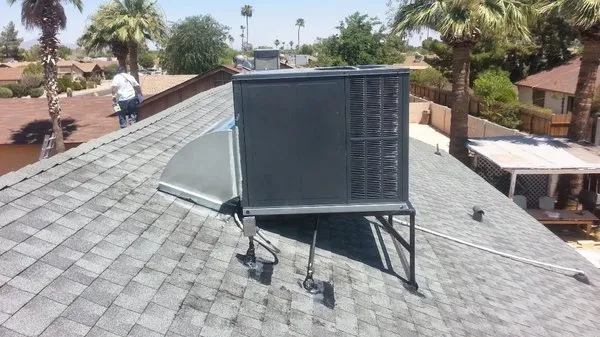
Brett, an Arizona native born and raised in Phoenix, founded Arizona A/C Man in 1989 after graduating from The Refrigeration School. With over 25 years of dedicated, full-time experience, he has built...
Bumble Bee Air Conditioning
Bumble Bee Air Conditioning is a family-owned HVAC business proudly serving Tempe, AZ since 1999. With deep roots in the community dating back to the mid-80s, we understand the unique climate challeng...
Wolfgangs Cooling, Heating & Plumbing
Wolfgangs Cooling, Heating & Plumbing is a family-owned Tempe contractor with deep roots in the community, tracing back to 1982 when Wolfgang began the business. Founded on principles of quality workm...
Varsity Zone is a veteran-owned and operated HVAC company serving Tempe and the greater Valley. As local, trusted experts, we specialize in HVAC repair, installation, and maintenance, providing honest...
At Schiller Heating & Cooling, we've been the trusted local HVAC experts for Tempe homeowners and businesses since 1997. As a family-owned and operated company, we bring a personal commitment to every...
The Bee Heat & AC is a Tempe-based HVAC company dedicated to honest, reliable service for residential heating and cooling needs. We focus on doing what's right for our customers—no high-pressure sales...
Serving the Phoenix area since 1947, Scottsdale Air Heating & Cooling has been a trusted local resource for Tempe homeowners' heating and cooling needs. As a licensed HVAC provider, they specialize in...
Service Experts Tempe
Service Experts Tempe has been a trusted HVAC and plumbing resource for the Phoenix area since 1994. We provide comprehensive services, from routine maintenance and repairs to complete system installa...
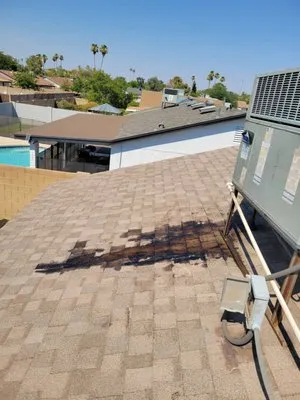
Alaskan Air Conditioning & Heating is a family-owned and operated business with deep roots in Tempe, AZ, established in 1972. Ron, the owner, represents the fourth generation in the trade, having star...

Tucker Hill Air, Plumbing and Electric
For over 20 years, Tucker Hill Air, Plumbing and Electric has been a trusted, full-service provider for Tempe and the greater Phoenix area. Our licensed, bonded, and insured technicians are available ...
Questions and Answers
My Ecobee thermostat is showing an 'E164' alert. What does this mean?
The Ecobee E164 code specifically indicates a loss of communication with the outdoor AC unit. In Tempe, this often points to two heat-related failures: a tripped high-pressure safety switch from a dirty condenser coil, or a compressor that has entered thermal lockout from sustained operation in extreme heat. It's a diagnostic signal to check condenser airflow and refrigerant charge before the compressor sustains permanent damage from overload conditions.
My AC just stopped working on a hot afternoon. How fast can a technician arrive?
For a no-cool emergency, dispatch from our service hub near ASU Gammage provides optimal coverage. Using the Loop 202, we maintain a consistent 12-18 minute response window to most Tempe neighborhoods, including Maple-Ash. This routing avoids surface street delays, allowing a technician to begin diagnostics on your system within the critical first hour of failure.
How well do modern air conditioners handle our extreme summer temperatures?
Tempe's design temperature for HVAC is 108°F, but ambient temperatures can exceed this for consecutive days. Systems are engineered to operate at this 108°F benchmark; performance degrades beyond it. The industry's shift to A2L refrigerants like R-454B is beneficial here, as these gases have superior thermodynamic properties in high ambient heat compared to older R-410A, helping maintain a stable cooling delta T and reducing the strain that leads to compressor overload.
Can my home's ductwork support better air filtration for ozone and pollen?
Tempe's arid climate brings an April pollen peak and a persistent ozone risk, making filtration critical. Many local systems use duct board and flex duct, which often have higher inherent static pressure. Installing a standard 1" MERV-13 filter can cause excessive airflow restriction in these older ducts. A proper assessment of your system's static pressure is required; a solution may involve a 4"-5" deep-media cabinet that provides high MERV ratings without starving the airflow your equipment needs.
Is it practical to switch from my gas furnace to a heat pump in Tempe?
Yes, a modern cold-climate heat pump is a viable primary heat source for Tempe's mild winter lows. The key is selecting a unit with sufficient capacity and efficiency at lower outdoor temperatures. Pairing this with the IRA rebates makes the economics favorable. To maximize savings, use the system's programmable features to minimize use during SRP's peak rate hours from 2 PM to 8 PM, pre-cooling your home before the rate period begins.
What are the permit and safety requirements for a new AC installation?
All HVAC replacements in Tempe require a permit from the City of Tempe Development Services Department. As of 2026, any system using A2L refrigerants like R-454B must adhere to updated safety standards. These include mandated leak detectors, specific circuit breaker requirements, and revised clearance zones for outdoor units. A licensed contractor will handle this permitting process, ensuring the installation meets the latest codes for this slightly flammable refrigerant class.
What does the new SEER2 rating mean for my utility bill?
The 2026 federal minimum is 15.2 SEER2, a measure that accounts for real-world static pressure in ducts. Upgrading from a vintage 10 SEER unit to a 18+ SEER2 model can reduce cooling electrical consumption by nearly 40%. At Tempe's average rate of $0.14 per kWh, this creates significant annual savings. The Inflation Reduction Act's HEEHRA rebates, with an $8,000 cap, can directly offset a major portion of the upgrade cost when paired with a high-efficiency heat pump.
Why does my old AC system keep shutting down in the summer heat?
Most Tempe homes, like those in the Maple-Ash neighborhood, have original HVAC equipment from 1983. At 43 years old, these systems operate far below modern efficiency and durability standards. The original components, particularly the compressor, are not engineered for today's sustained 108°F design temperatures. This leads directly to compressor thermal overload, where the internal safety switch trips to prevent catastrophic failure from extreme ambient heat.
