
Top Emergency HVAC Services in Tucson, AZ, 85629 | Compare & Call

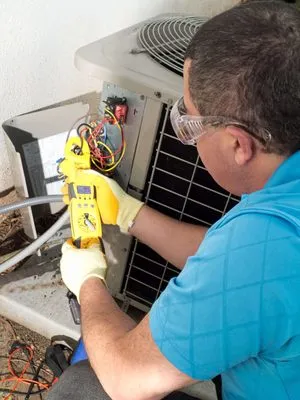
Temco AC Repair & Replacement is a trusted HVAC specialist dedicated to serving the Tucson community. We focus on providing reliable heating, air conditioning, and refrigeration solutions for homes an...
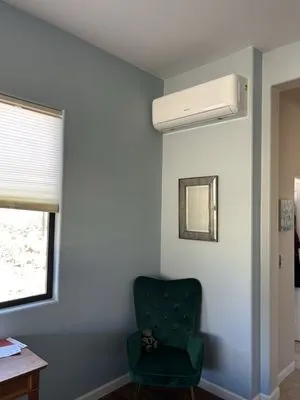
Family Air LLC is a family-owned HVAC company serving Tucson, AZ since 2006. Founded with the goal of providing stable home life for the owner's family—a value extended to all employees—we specialize ...
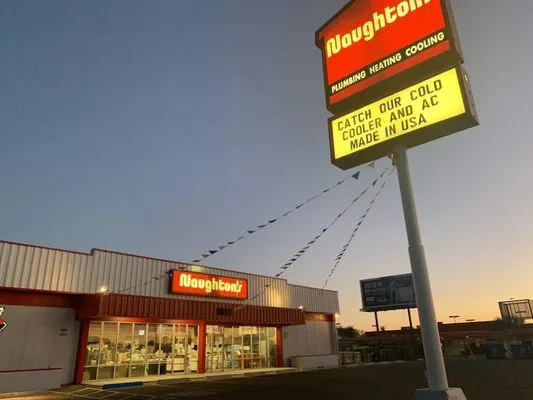
Naughton's is a family-owned and operated Tucson business dedicated to providing personalized service and competitive pricing for all your HVAC and plumbing needs. We specialize in helping local homeo...
Tucson’s Finest Handyman Services
Tucson’s Finest Handyman Services is a locally owned and operated company providing comprehensive home repair and maintenance solutions for residents across Tucson, AZ. We specialize in a wide range o...
Tucson Air Conditioning and Home Maintenance
Tucson Air Conditioning and Home Maintenance has been serving Tucson homeowners and businesses since 2006, bringing over two decades of expertise to every job. Founded by a professional with a Civil C...

Comfort Systems USA is Tucson's trusted partner for heating and air conditioning solutions. As a leading local HVAC service provider, we understand the specific challenges Tucson homeowners face, espe...
Samson and Sons Heating & Cooling
Mark, the founder of Samson and Sons Heating & Cooling, has deep roots in the Tucson community. He moved here in 1988, attended Amphitheater High School and Pima Community College, and raised his fami...
Cool Willy's Air & Plumbing
Cool Willy's Air & Plumbing is a family-owned and operated business serving Tucson and surrounding areas since 1991. Founded by Jim Owen and his wife Beverly, who have called Tucson home for over 20 y...
Done Rite Services
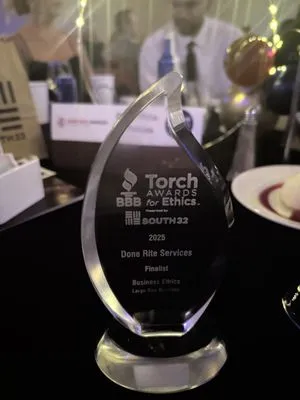
Done Rite Services is a family-owned, licensed, bonded, and insured contractor serving Tucson and surrounding communities like Marana, Vail, and the Catalina Foothills. Founded on a commitment to hone...
Platinum Air Heating & Cooling
Platinum Air Heating & Cooling is a veteran and family-owned HVAC company built on a foundation of integrity and deep local knowledge. Founder Alberto brings over 18 years of experience gained from wo...
Questions and Answers
Why does my AC struggle when it's 110°F outside if it's designed for 107°F?
Your system's capacity is calculated at the 107°F design temperature. When ambient temperatures exceed that, as they regularly do, the system operates at a deficit, and the indoor temperature will rise. The newer R-454B refrigerant, now standard, offers slightly better performance and lower global warming potential in these extreme conditions compared to older R-410A. Proper sizing from a Manual J load calculation and adequate attic ventilation are critical to minimizing this performance gap.
My air conditioner just stopped blowing cold air on a hot afternoon in Sam Hughes. Is this an emergency?
A complete 'No-Cool' failure during peak heat is a priority call. For a home near the University of Arizona, our dispatch routes via I-10 ensure a technician can typically be on-site within 15 to 20 minutes. The immediate goal is to secure the refrigerant circuit and protect the compressor from damage, which is critical given our high design temperatures. We recommend shutting the system off at the thermostat to prevent further stress until service arrives.
With gas heat, is switching to a heat pump a good idea for Tucson winters?
A modern cold-climate heat pump is a viable primary heat source for Tucson, where winter lows rarely challenge its capacity. The economic analysis is key: compare your gas rate to the $0.14 per kWh electricity rate, especially during TEP's 3 PM to 8 PM peak hours. Pairing the heat pump with the IRA rebates often yields a favorable payback. For existing gas furnaces, a dual-fuel hybrid system that uses the heat pump as the primary heater and gas as backup during the coldest hours can optimize annual operating costs.
My Ecobee thermostat is showing an 'E1' alert. What does that mean?
An Ecobee E1 error code indicates the thermostat has lost communication with your HVAC equipment. In Tucson, this is frequently traced to a safety lockout on the outdoor unit due to a fault, such as high pressure from a dirty condenser coil or a failing component. The system shuts down to prevent compressor damage, which is the most common failure point here. This alert allows for proactive service before a complete breakdown occurs during peak demand.
My HVAC system was installed when my home was built. How much longer can I expect it to last?
A system from the average 2006 build year is now 20 years old, which is the upper limit of expected service life in Tucson's harsh climate. Units this age are highly prone to compressor failure, a common issue here. The thermal stress from thousands of high-ambient start-ups in 100+ degree heat degrades internal components over decades. Proactive replacement planning is more cost-effective than waiting for a catastrophic failure during our hottest months.
I've heard about new efficiency rules. What SEER2 should I look for, and are there rebates?
As of 2026, the federal minimum SEER2 rating in our region is 14.3, but modern systems easily achieve 16 to 18 SEER2. Upgrading from an old 10 SEER unit to an 18 SEER2 model at Tucson's $0.14 per kWh rate can cut cooling costs significantly. The active Inflation Reduction Act (HEEHRA) rebates provide up to $8,000 for qualified high-efficiency installations, and Tucson Electric Power offers additional Smart Rewards incentives. This makes a high-SEER2 upgrade financially sensible.
With our ozone and dust issues, can my current ducts handle a better air filter?
Tucson's air quality hazards, combined with the spring pollen peak, make advanced filtration like MERV-13 desirable. However, your flex-duct with R-6 insulation may not support it. Installing a high-MERV filter in a standard system often creates excessive static pressure, reducing airflow and efficiency. A proper assessment of your duct system's static pressure is required; the solution may involve modifying the return air system or selecting a compatible media cabinet designed for low airflow resistance.
What should I know about permits and safety for a new AC installation?
All HVAC replacements in Tucson require a permit from the City of Tucson Development Services Department. Since 2025, systems using mildly flammable A2L refrigerants like R-454B are standard. Their installation mandates compliance with updated safety codes, including leak detectors and specific circuit breaker requirements. Using a licensed contractor ensures the permit is pulled and the installation meets these 2026 standards for safe, long-term operation and validates your eligibility for all rebates.
