
Top Emergency HVAC Services in California City, CA, 93501 | Compare & Call


24 Hour Heating & Air
At 24 Hour Heating & Air in California City, our mission is to go the extra mile for every customer. We're built on the principles of honest, fair, and reliable service, delivered by a team of EPA-cer...
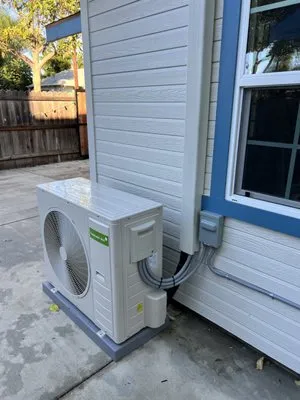
Alpha Comfort Systems is your trusted local HVAC partner in California City. We focus on reliable installation, repair, and maintenance for both homes and businesses. Our certified technicians are ded...
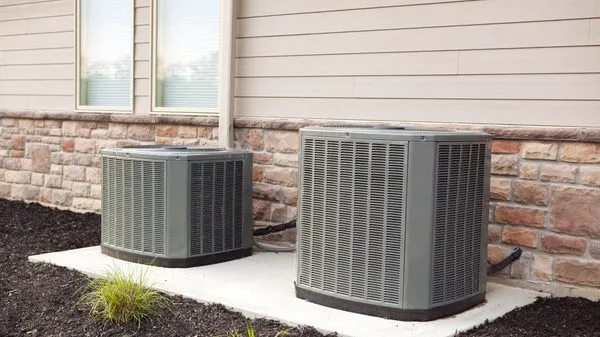
Sam's Air Conditioning and Heating is a trusted HVAC company serving California City, CA, and the surrounding areas. We understand the unique challenges local homeowners face, especially the common is...

Reliable Air Conditioning & Heating
Reliable Air Conditioning & Heating is a trusted HVAC company serving California City, CA, with expert solutions for local heating and cooling needs. We specialize in addressing common regional issues...
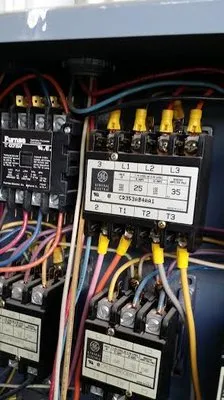
Schematic Electric - California City
Schematic Electric has been a trusted electrical and HVAC partner for California City residents since 1979. As a local, full-service contractor, we understand the specific demands of our high-desert c...
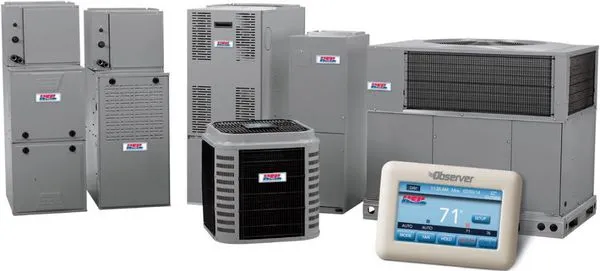
JEA Heating And Air Conditioning is a trusted HVAC service provider based in California City, CA, specializing in heating and air conditioning solutions for local residents and businesses. We understa...
Electrical Construction & Controls
Electrical Construction & Controls is a trusted electrical and HVAC specialist serving California City, CA. We understand the unique challenges local homeowners face, especially with solar-compatible ...
Common Questions
Can my home's ductwork handle better air filtration for wildfire smoke and pollen?
Flexible R-6 insulated ductwork in California City homes may struggle with MERV-13 filters without proper evaluation. These higher-efficiency filters create increased static pressure that can reduce airflow in existing duct systems. During April pollen peaks and wildfire PM2.5 events, improved filtration becomes valuable for indoor air quality. A technician should measure your system's static pressure capacity before upgrading filtration to ensure proper airflow and prevent strain on the blower motor.
How does California City's extreme heat affect AC performance?
California City's 103°F design temperature represents the maximum outdoor condition your system should handle while maintaining indoor comfort. When actual temperatures approach or exceed this limit, cooling capacity decreases as the temperature differential (delta T) between indoor and outdoor conditions narrows. The R-454B refrigerant standard for 2026 installations offers improved heat transfer properties compared to older refrigerants. This newer refrigerant maintains better efficiency and capacity during extreme heat events common to our arid climate.
Should I consider switching from gas heat to a heat pump in California City?
Transitioning from gas heat to a heat pump in California City requires analysis of both climate and utility factors. Our winter lows rarely challenge modern cold-climate heat pump technology, which can operate efficiently in local conditions. The 16:00-21:00 peak utility hours coincide with evening temperature drops when heating demand increases. A dual-fuel system that combines a heat pump with gas backup may optimize operating costs by using electricity during off-peak hours and gas during peak rate periods for maximum efficiency.
How old is my HVAC system likely to be in California City?
The average home in California City was built around 1992, making typical HVAC systems approximately 34 years old in 2026. This age places units well beyond their expected 15-20 year service life. Older systems in arid climates like ours experience capacitor failure due to extreme heat because electrolytic capacitors degrade faster when exposed to sustained high temperatures above 103°F. The thermal stress on these components accelerates wear, making replacement parts increasingly necessary for reliable operation.
What happens if my AC stops working during a heatwave in Central California City?
A no-cool emergency in Central California City requires immediate attention to prevent indoor temperatures from rising dangerously. Technicians located near California City Central Park can access CA-14 for efficient routing throughout the community. This proximity enables a 5-10 minute response time for urgent service calls. Quick dispatch helps minimize equipment downtime and restores cooling before heat-related damage occurs to system components or indoor comfort.
What does an Ecobee E1 error code mean for my California City HVAC system?
An Ecobee E1 alert typically indicates a communication failure between the thermostat and HVAC equipment. In California City's environment, this often results from electrical interference or wiring issues exacerbated by temperature fluctuations. The error prevents proper system control and may lead to comfort problems or equipment cycling issues. A technician can diagnose whether the problem originates in the thermostat, control board, or wiring connections specific to your installation. Addressing this promptly prevents further system complications.
What permits and safety standards apply to new AC installations in 2026?
All new HVAC installations in California City require permits from the California City Building and Safety Department. The 2026 standards specifically address A2L mildly flammable refrigerants like R-454B, which have replaced older high-GWP refrigerants. These installations must follow updated safety protocols including leak detection systems, proper ventilation requirements, and technician certification. The permit process ensures compliance with both local codes and federal regulations governing refrigerant handling and system safety for your protection.
What are the new efficiency requirements for AC systems in 2026?
Current 2026 standards mandate a minimum 14.3 SEER2 rating for new air conditioning installations in California. This represents about an 8% efficiency improvement over previous SEER requirements. With local utility rates at $0.36/kWh, upgrading to a higher SEER2 system can significantly reduce operating costs. The Inflation Reduction Act's HEEHRA rebate provides up to $8,000 toward qualified high-efficiency installations, making the payback period more attractive despite higher initial equipment costs.
