
Top Emergency HVAC Services in Calimesa, CA, 92223 | Compare & Call


Of Course! Heating and Cooling
Of Course! Heating and Cooling is a family-owned HVAC company serving Calimesa and San Bernardino County. Founded in 2020 by Angel Morales and his sons Chad and Jake, the business brings over 50 years...
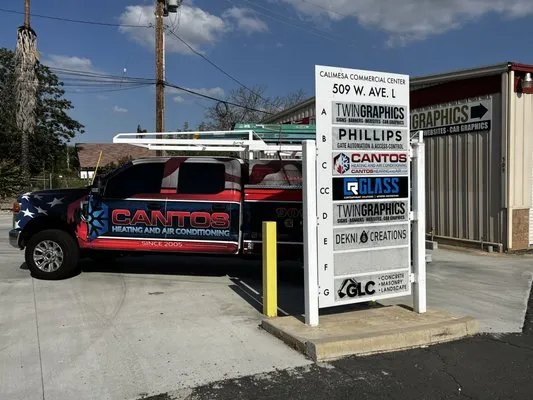
Cantos Plumbing, Heating and Air Conditioning
Cantos Plumbing, Heating and Air Conditioning is a family-owned and operated HVAC service provider serving Calimesa, CA, with over 20 years of experience. As a California licensed and insured contract...

Stutz Plumbing & Heating
For over 20 years, Stutz Plumbing & Heating has been the trusted local solution for Calimesa homeowners. We understand the common local HVAC challenges, such as air conditioners struggling in our heat...
Aloha Plumbing, Heating & Air
Aloha Plumbing, Heating & Air is a family-owned and operated business serving Calimesa and surrounding communities with comprehensive plumbing, heating, and air conditioning services. Founded over a d...
Comfy Home is a trusted heating and air conditioning (HVAC) company serving Calimesa, CA, dedicated to keeping local homes comfortable year-round. We specialize in addressing common HVAC issues that C...
Solanos Airconditioning is a local HVAC contractor serving Calimesa and the surrounding communities. We focus on providing dependable heating and cooling solutions, from routine maintenance and urgent...
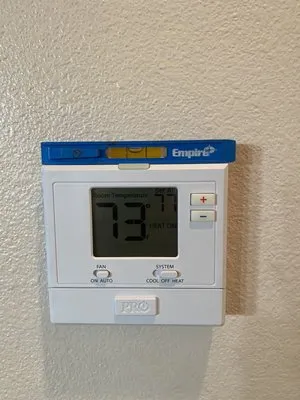
Ozone AC and Heating LLC is your trusted, licensed HVAC service team based in Calimesa, CA. We are committed to delivering reliable maintenance, repair, and installation services for both residential ...
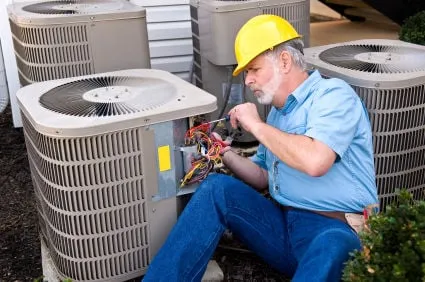
Paul Montgomery Air Conditioning & Heating is your trusted, local HVAC expert in Calimesa, CA. We specialize in professional HVAC installation, replacement, and repair services, helping you maintain a...
Common Questions
We use gas heat now. Does a heat pump make sense for our weather?
Modern cold-climate heat pumps are effective in Calimesa's mild winter lows, offering efficient electric heating. The decision involves your gas versus electric rate analysis and the 4-9 PM peak hours. A hybrid system, which uses a heat pump for most heating and switches to gas only during the coldest peak-rate hours, often provides the optimal balance of comfort and operating cost. This setup leverages the heat pump's efficiency while using gas as a strategic, lower-cost backup.
Our Ecobee thermostat is showing an E160 alert. What does that mean here?
An Ecobee E160 code specifically indicates the thermostat has lost communication with the outdoor unit. In Calimesa, this is frequently traced to two local issues: a low-voltage wire damaged by rodents, which are common in arid areas, or a safety switch at the outdoor unit being tripped due to condenser coil fouling from dust. The alert is a diagnostic head-start, pointing the technician directly to the control circuit or outdoor cabinet, rather than the thermostat itself.
Our system seems to run constantly. Could its age be the main factor?
A unit from the late 70s or early 80s, like many in Calimesa, is operating beyond its intended lifespan. Over 45 years, internal components degrade, and efficiency drops significantly. This age makes the system particularly vulnerable to condenser coil fouling from the area's persistent dust and particulate, which acts like an insulating blanket and forces the compressor to work harder. The constant operation is a clear symptom of this mechanical decline and reduced capacity.
Why does our AC struggle when it gets above 101 degrees?
Residential systems in Calimesa are designed to maintain indoor temperature at a peak outdoor condition of 101°F, known as the design temp. When ambient temperatures exceed this, as they regularly do, the system cannot remove heat as fast as it enters the home. The newer R-454B refrigerant standard performs better in these high-heat conditions than older R-410A, but any system will have reduced capacity and may not maintain a setpoint during the hottest part of the afternoon.
What should we verify about permits and safety for a new AC installation?
All installations in Calimesa require a permit from the City of Calimesa Building and Safety Division, which ensures compliance with electrical, mechanical, and safety codes. Since 2025, systems using A2L refrigerants like R-454B, which are mildly flammable, must follow strict 2026 UL 60335-2-40 standards for leak detection, airflow, and room size calculations. Hiring a licensed contractor who files these permits is non-negotiable; it validates the installation is safe, up to code, and eligible for all rebates.
What do the new 2026 SEER2 rules mean for us, and are the rebates worth it?
The 2026 federal minimum is now 15.2 SEER2, a significant jump from older standards. For Calimesa homes with current utility rates around $0.34 per kWh, upgrading to a high-efficiency 18+ SEER2 unit can cut cooling costs by roughly 30-40%. The Inflation Reduction Act's HEEHRA rebates, capped at $8,000 for qualified homeowners, directly offset this upgrade cost, and can be combined with SoCal Edison's $600 program, making the investment payback period notably short.
Can our existing ductwork handle a better air filter for wildfire smoke and spring pollen?
Upgrading filtration is wise for April pollen peaks and wildfire PM2.5, but your flexible R-6 insulated ducts create a static pressure challenge. Installing a standard 1-inch MERV-13 filter often causes excessive airflow restriction in these systems. A better solution is a 4- or 5-inch media cabinet installed at the air handler, which provides superior filtration at a much lower static pressure, protecting both your indoor air quality and the blower motor from strain.
Our AC stopped on a hot day in Summerfield. What's the fastest way to get service?
For a no-cool emergency, a technician can typically dispatch from near Calimesa City Hall and use I-10 for direct access to the Summerfield area, ensuring a 5 to 10 minute response. The first step is to check the circuit breaker and the outdoor unit's disconnect switch, as a tripped breaker is a common and simple fix. If power is confirmed, avoid running the system to prevent compressor damage while you wait for professional diagnosis of issues like a failed capacitor or refrigerant loss.
