
Top Emergency HVAC Services in Corona, CA, 92503 | Compare & Call

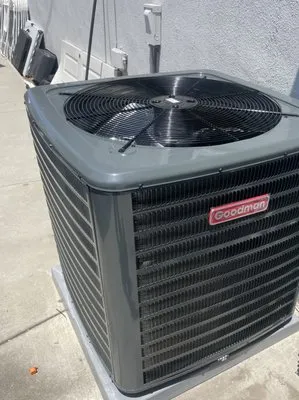
ALG Heating & Cooling is a trusted, family-operated HVAC service provider serving Corona, Orange County, and Riverside County. We treat every customer like family, focusing on clear communication and ...
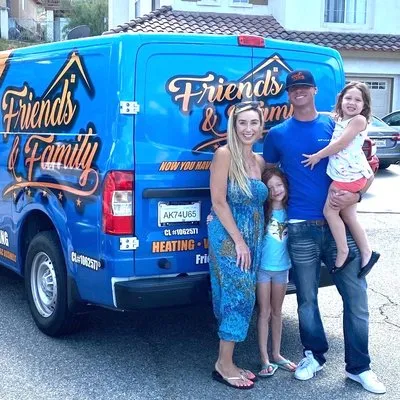
Friends & Family Heating And Air Conditioning
Friends & Family Heating and Air Conditioning was founded in 2010 by James Stewart, who brings over two decades of industry experience and an old-school commitment to customer service to Corona, CA. A...
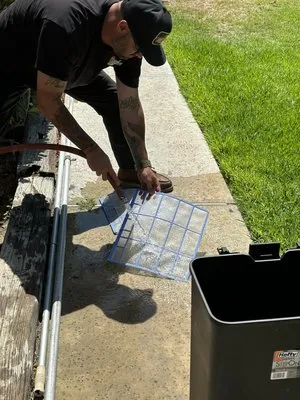
Fire-N-Ice Air Conditioning * Plumbing
My journey in the HVAC trade began back in 1995, starting as a helper and quickly advancing to running my own service calls. After gaining years of hands-on experience with other companies, I saw an o...
RC Air Conditioning & Heating has been a trusted family-operated HVAC provider in Corona, CA since 1992. Founded by owner Roy C, who brings over 30 years of experience, the company specializes in inst...

Lucky Air
Lucky Air is a family-owned and operated HVAC and plumbing service provider based in Corona, CA, dedicated to ensuring the comfort of your home and family. Our commitment to your comfort is the founda...
RT Olson Plumbing, Heating & Air Conditioning
RT Olson Plumbing, Heating & Air Conditioning has been serving Corona and surrounding communities since 2011. Founded by Bob, a fourth-generation plumber with experience dating back to 2003, this fami...
Henley's Plumbing & Air
Since 1983, Henley's Plumbing & Air has been the trusted, family-run choice for the Inland Empire, now proudly serving Corona from our newest location. Founded by Bryan Henley with the belief that ser...
Aced It! Cooling & Heating is a veteran-owned HVAC service founded in Corona by technicians Alex and Caleb, who bring over 18 years of combined experience. They run their business with a simple, hones...
Freedom AC and Heating is a family-owned and operated HVAC contractor serving Corona, Norco, and Eastvale. Founded by a lifelong Corona resident, our mission is to deliver honest, high-quality heating...

SoCal Boys Heating & Air is a trusted, family-owned HVAC company serving Corona and the surrounding communities for over 14 years. We specialize in creating comfortable indoor environments for both ho...
Q&A
My Ecobee thermostat is showing an E1 alert. What does that mean?
An Ecobee E1 alert indicates the thermostat has lost communication with the HVAC equipment. In Corona, this is often caused by a safety lockout from the system itself, frequently due to a high-pressure switch tripping from extreme outdoor heat or a dirty condenser coil. It can also signal a failed control board or a wiring issue. This alert requires a technician to diagnose the root cause at the outdoor unit to clear the fault.
What does the new 15.2 SEER2 minimum efficiency standard mean for my utility bills?
The 15.2 SEER2 mandate effective in 2026 sets a higher baseline for cooling efficiency than older units. Given SCE rates near $0.34 per kWh, upgrading from a 10 SEER system to a 16 SEER2 model can reduce cooling costs by roughly 30%. The active federal HEEHRA rebates, with a cap of $8,000, can substantially offset the investment in a high-efficiency unit, improving the payback period.
My AC system seems original to my 1990s Corona home. Is that a concern?
A system installed with a home built in the 1990s is now over 30 years old. Units of this age in Corona often operate with outdated R-22 refrigerant and have components, like capacitors, that are well past their service life. The extreme summer heat accelerates capacitor failure as the internal electrolyte dries out. This aging also reduces system efficiency significantly below modern SEER2 standards.
Can my home's ductwork handle a high-efficiency air filter for ozone and pollen?
Corona's arid climate brings ozone and significant April pollen peaks, making MERV-13 filtration desirable. Many 1990s homes here use flexible insulated ducting, which can be restrictive. Installing a high-MERV filter without a static pressure check can reduce airflow, strain the blower motor, and cause icing on the evaporator coil. A technician should measure static pressure to ensure your system can accommodate the upgrade.
Why does my air conditioner struggle when temperatures soar above 100°F?
Residential HVAC systems in Corona are typically designed for a 98°F outdoor temperature. When actual temperatures exceed this design limit, the system's capacity to reject heat diminishes, and the indoor temperature may rise. Modern units using R-454B refrigerant maintain better performance and efficiency at these high temperatures compared to older refrigerants, but all systems will experience reduced output during extreme heat events.
Our AC just stopped blowing cold air on a hot day near Downtown Corona. How fast can a technician get here?
For a no-cool emergency in Downtown Corona, a service van can typically be dispatched from the Corona City Park area. Using the I-15 corridor, our average response time to your neighborhood is 15 to 25 minutes. A technician will first diagnose common, quick-fix issues like a failed capacitor or a tripped safety switch to restore cooling promptly.
Is switching from my gas furnace to a heat pump a practical choice for Corona?
With winter lows rarely dipping below freezing and SCE peak rates from 4 PM to 9 PM, a modern heat pump is a viable primary heating source. It provides efficient electric heating during milder hours and can significantly reduce gas consumption. For the coldest hours, a hybrid system with a gas furnace as a backup can optimize costs, leveraging the heat pump's efficiency while avoiding peak electricity rates for heating.
What should I know about permits and safety for a new AC installation in 2026?
All HVAC replacements in Corona require a permit from the City of Corona Building and Safety Division. As of 2026, new systems predominantly use A2L refrigerants like R-454B, which are mildly flammable. Installations must comply with updated safety codes requiring leak detection, specific circuit breakers, and revised clearance distances. Using a licensed contractor ensures the installation meets these standards for safety and system performance.
