
Top Emergency HVAC Services in Fairfax, CA, 94930 | Compare & Call

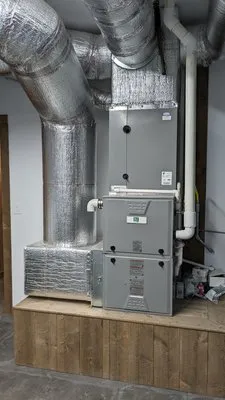
I'm Spencer H, owner of Marin Heating and Air in Fairfax. We're a local, licensed HVAC company dedicated to serving Marin County and the Bay Area. We know that when your heater or air conditioner brea...
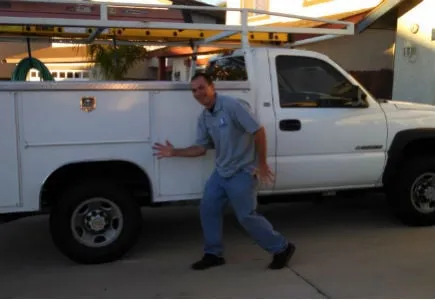
James Bueno, owner and operator of JB Refrigeration in Fairfax, CA, brings over 14 years of specialized experience to the local community. Born and raised in Ventura, James developed a passion for pro...

Fitzpatrick's Heating has been a trusted heating and cooling partner for Fairfax, CA, homeowners and businesses since 1979. As a family-owned and operated contractor, we've built our reputation on rel...
Homeland Heating & Cooling is your trusted local HVAC expert serving Fairfax and the surrounding communities. We specialize in diagnosing and solving the specific climate-related issues that affect ho...
Q&A
Can my home's ductwork handle a high-grade filter for wildfire smoke and spring pollen?
Upgrading filtration to MERV-13 is highly recommended for Fairfax homes to capture wildfire PM2.5 and April pollen. However, your existing flexible R-6 insulated ducts may create a static pressure issue if the system isn't designed for it. A technician should measure static pressure and assess blower capacity; often, a media cabinet with a deeper, pleated filter provides superior filtration with less airflow restriction than a standard 1-inch filter slot.
Our AC just stopped on a hot day near the Fairfax Pavilion. How fast can a technician get here?
For a no-cool emergency in Downtown Fairfax, a dispatch from our shop near US-101 typically yields a 15 to 25 minute response time. We prioritize calls during operational hours to quickly restore comfort and prevent further strain on an aging system. Technicians are familiar with the routes from the highway to local landmarks like the Pavilion, ensuring a prompt arrival to diagnose common issues like a failed capacitor or refrigerant loss.
Why does my AC struggle to keep the house at 72°F when it's only 95°F outside?
Most Fairfax systems are designed for a 88°F outdoor temperature. When actual temperatures exceed this design limit, the system's capacity drops and it must run continuously, often failing to maintain a large temperature differential (delta T). Modern units using R-454B refrigerant maintain better efficiency and capacity at these higher temperatures compared to older R-22 systems, but proper sizing via a Manual J load calculation is critical for consistent performance during our hottest days.
My HVAC system in Fairfax is original to my 1970s home. Is it still reliable?
A system installed around 1973 is now 53 years old, which is far beyond its expected service life. In Fairfax, the primary failure point for systems of this age is capacitor degradation due to constant heat cycling. The repeated expansion and contraction from daily temperature swings weakens the capacitor's ability to start the compressor, leading to hard starts and eventual failure. Proactive replacement is advised before a complete breakdown, especially during the hotter months.
What are the permit and safety requirements for a new AC installation in Fairfax?
All new HVAC installations in the Town of Fairfax require a permit from the Building and Planning Department. Since 2026, systems using A2L refrigerants like R-454B, which are mildly flammable, must comply with updated safety standards (like UL 60335-2-40). This mandates specific leak detection, service access, and labeling protocols. A licensed contractor will handle the permit process and ensure the installation meets all current codes for equipment clearance and refrigerant charge.
Is it practical to switch from my gas furnace to a full heat pump in Fairfax's climate?
A modern cold-climate heat pump is a viable primary heating source for Fairfax, where winter lows typically stay above freezing. The key advantage is shifting your heating fuel from gas to electricity, allowing you to leverage lower-cost, off-peak power outside of PG&E's 4 PM to 9 PM peak hours. When paired with the available HEEHRA rebates, the total cost of ownership for a high-efficiency heat pump system can be very competitive, providing both cooling and heating from one unit.
What do the new 2026 SEER2 rules mean for replacing my old air conditioner?
As of 2026, new central AC systems in California must meet a minimum 14.3 SEER2 rating, which is a measure of seasonal energy efficiency. Upgrading from a pre-2006 unit to a modern 18+ SEER2 system can cut cooling costs significantly, an important consideration with PG&E rates around $0.44 per kWh. The federal HEEHRA rebate, with a cap of $8,000 for qualified heat pumps, combined with PG&E's up to $1,000 incentive, can dramatically offset the initial investment for a high-efficiency unit.
My Ecobee thermostat is showing an 'E160' alert. What does that mean for my Fairfax home?
The Ecobee E160 code specifically indicates a 'High Temperature Cut Out' alert, meaning the system has shut down to prevent compressor damage. In Fairfax, this alert often correlates with the high ambient temperatures and voltage fluctuations we experience, which strain the electrical components. It's a clear signal to schedule a diagnostic visit before a minor issue leads to a complete system failure during a heatwave.
