
Top Emergency HVAC Services in Littlerock, CA, 93543 | Compare & Call

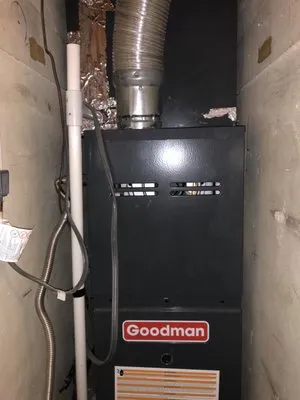
Avila's Heating and Air Conditioning is your trusted local HVAC expert serving Littlerock, CA, and the surrounding Antelope Valley. We specialize in keeping homes comfortable year-round with professio...
AV Comfort Specialist
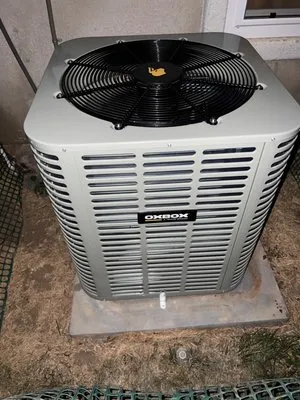
AV Comfort Specialist is your trusted Littlerock neighbor for comprehensive home comfort solutions. We specialize in both appliance repair and HVAC services, understanding the unique challenges local ...
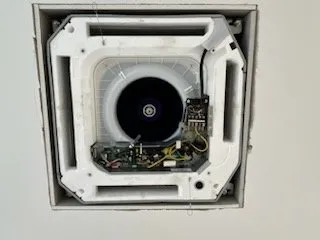
Air Repair HVAC Services is a trusted heating and air conditioning company serving Littlerock, CA, and the surrounding areas. We specialize in HVAC installation, repair, and maintenance, providing rel...
Four Seasons Heating & Air Conditioning is your trusted local HVAC expert serving Littlerock homeowners. We specialize in addressing the common challenges of aging systems and uneven cooling in our ar...
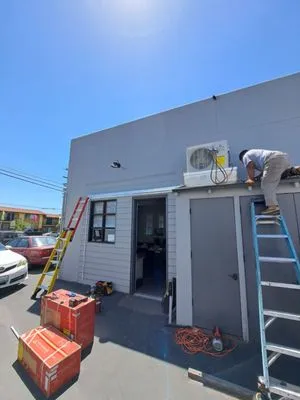
Bma Hvac is a trusted heating and air conditioning service provider based in Littlerock, CA, dedicated to keeping local homes comfortable year-round. With a focus on reliable solutions and customer sa...
Baja Cooling is a trusted HVAC company serving Littlerock, CA, specializing in heating and air conditioning repair to keep local homes comfortable year-round. Many Littlerock residents face common HVA...

De La Rosa Heating and Cooling is a trusted local HVAC company serving Littlerock and the surrounding Antelope Valley. We specialize in diagnosing and repairing the most common air conditioning issues...

Quality Control Heating & Air is a trusted HVAC service provider in Littlerock, CA, dedicated to keeping homes comfortable year-round. We specialize in installation, repair, and maintenance of heating...
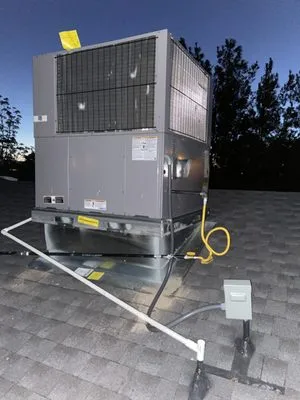
Jea Air Conditioning is your trusted local HVAC specialist serving Littlerock, CA, and the surrounding Antelope Valley. We understand the unique demands the high desert climate places on your heating ...
JEA Heating And Air Conditioning is a trusted local HVAC provider serving Littlerock, CA, and the surrounding Antelope Valley. We specialize in diagnosing and repairing common regional system failures...
Questions and Answers
Can Littlerock homes handle MERV-13 filters with flexible ductwork?
Flexible R-6 insulated ducting in Littlerock homes typically supports MERV-13 filters if the system has adequate blower capacity. Higher filtration helps address April pollen peaks and wildfire PM2.5 risks common in arid regions. However, static pressure should be measured during installation to ensure proper airflow. Systems with undersized returns or restrictive duct layouts may require modifications to maintain optimal performance with enhanced filtration.
What's the emergency response time for a no-cool call in Littlerock Central?
Technicians dispatch from the Littlerock Dam area via SR-138, reaching most Littlerock Central homes within 15-25 minutes. For a no-cool emergency, first check the thermostat settings and circuit breakers before calling. Quick response prevents heat buildup that can damage electronics and compromise indoor air quality. During wildfire season, maintaining cooling is critical for filtering PM2.5 particles from outdoor air.
How do the 2026 SEER2 requirements affect Littlerock homeowners?
California's 2026 minimum SEER2 requirement of 14.3 represents a 15% efficiency improvement over previous standards. With Littlerock's electricity rate at $0.36/kWh, upgrading to a SEER2-compliant system reduces cooling costs significantly. The Inflation Reduction Act's $8,000 heat pump rebate makes high-efficiency replacements more accessible. Proper sizing through Manual J calculations ensures systems match Littlerock's 3.5-ton average load without oversizing.
How do modern refrigerants perform in Littlerock's extreme summer heat?
Littlerock's 104°F design temperature tests HVAC systems at their operational limits. R-454B refrigerant, now standard in 2026, maintains better pressure-temperature relationships in extreme heat compared to older R-410A. This A2L refrigerant requires proper charge and airflow to deliver expected delta T (temperature drop) across the evaporator coil. Systems must be sized correctly to handle the gap between typical summer highs and the 104°F design limit without excessive cycling.
What permits and standards apply to new HVAC installations in Littlerock?
All HVAC installations in Littlerock require permits from the Los Angeles County Department of Public Works Building and Safety Division. The 2026 A2L refrigerant standards mandate specific safety measures for R-454B systems, including leak detection and ventilation requirements. Technicians must hold EPA Section 608 certification for flammable refrigerants. Proper documentation ensures eligibility for SCE's $200 Quality Maintenance Program rebate and maintains system warranties.
What does an Ecobee E1 alert indicate for a Littlerock HVAC system?
An Ecobee E1 alert signals a communication failure between the thermostat and HVAC equipment. In Littlerock's environment, this often indicates wiring issues exacerbated by attic heat or power fluctuations during summer afternoons. The alert helps prevent compressor damage by shutting down the system before thermal overload occurs. Technicians typically check low-voltage wiring, transformer output, and control board connections when addressing E1 codes in local installations.
Should Littlerock homeowners switch from propane to heat pumps?
Heat pumps work effectively in Littlerock's climate, with modern cold-climate models maintaining capacity down to 5°F. The $8,000 IRA rebate makes switching from propane economically attractive despite higher electricity rates. Programming heat pumps to avoid utility peak hours (4-9 PM) reduces operating costs. Dual-fuel systems that pair heat pumps with propane backup provide redundancy during extreme cold snaps while maximizing efficiency year-round.
Why do older HVAC systems in Littlerock fail more often during heatwaves?
The average Littlerock home was built in 1983, making many original HVAC units 43 years old in 2026. Older systems with worn components struggle with Littlerock's 104°F design temperature, leading to compressor thermal overload failures. This occurs when refrigerant pressures spike in extreme ambient heat, tripping internal safety switches. Regular maintenance can extend system life, but units beyond 15-20 years often require replacement to meet current efficiency standards.
