
Top Emergency HVAC Services in Lynwood, CA, 90002 | Compare & Call

LAC Heating & Air
LAC Heating & Air is a locally owned and operated HVAC company proudly serving Lynwood and the greater Whittier area since 2014. Founded on a commitment to reliability and lasting quality, our team is...
Just Right Heating & Air is a family-owned HVAC company proudly serving the Lynwood community. Founded in 2019 with over a decade of combined industry experience, we bring a personal touch to every he...
Centexus Q&Q Hvac is a family-owned and operated HVAC company serving Lynwood, CA, with nearly a decade of experience. Founded by owner Kelly, the business is built on values of hard work, commitment,...
AC Repair Lynwood provides essential heating and air conditioning services for homes throughout Lynwood, CA. Many local residents face common HVAC challenges, such as refrigerant leaks in aging AC sys...
With over 20 years of hands-on experience in the HVAC industry, my journey began with formal training at LATTC and El Camino College while working for multiple companies. After a decade with five diff...
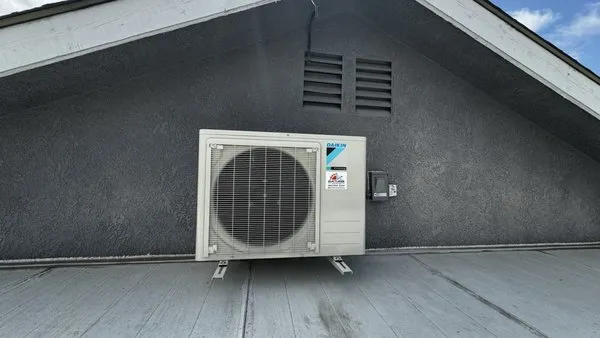
Ductless Heating And Cooling is a trusted HVAC company serving Lynwood and the greater Los Angeles area with over 14 years of local experience. We specialize in providing efficient ductless heating an...
Moreno Plumbing Services and Heating is a family-owned plumbing and HVAC company proudly serving Lynwood, CA. With over two decades of experience, our journey began with a simple dream, a truck, and a...
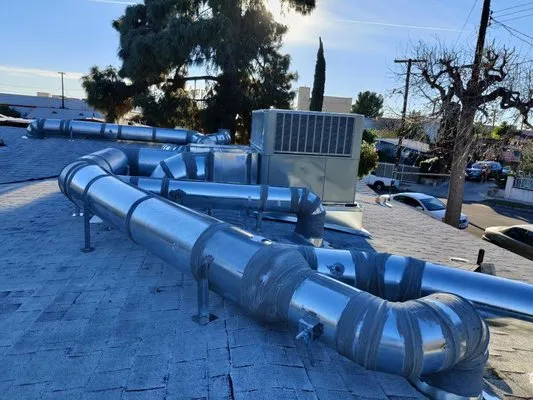
HNZ Heating and Air Conditioning has been serving Lynwood residents since 2002, starting as a family-run operation and growing into a trusted local business. Founded as a mom-and-pop shop, it's now op...
Refrigeration & HVAC Services in Lynwood, CA, provides reliable heating, cooling, and refrigeration solutions for local homeowners. We specialize in HVAC installation, repair, and maintenance, with a ...

McGuire Industrial Heating & Air Conditioning
McGuire Industrial Heating & Air Conditioning is a trusted HVAC specialist serving Lynwood, CA, and surrounding areas. With expertise in both residential and commercial systems, they focus on solving ...
Common Questions
What are the permit and safety requirements for a new AC installation in Lynwood now?
All installations require a permit from the City of Lynwood Building and Safety Division. As of 2026, new systems using A2L refrigerants like R-454B must comply with updated safety standards (UL 60335-2-40). These mandate specialized leak detection systems, updated electrical classifications for the equipment room, and specific technician EPA certifications for handling mildly flammable refrigerants. Proper permitting ensures the installation meets these updated codes for safety and system performance.
Why does my air conditioner struggle when the temperature goes above 95 degrees?
Lynwood's HVAC systems are engineered to a 88°F design temperature, based on local historical data. When ambient temperatures exceed this, as they often do, the system must work beyond its rated capacity, reducing its ability to manage indoor humidity. Modern units using the R-454B refrigerant standard maintain better performance and efficiency in these high-temperature conditions compared to older R-410A systems, but all equipment has a performance ceiling during extreme heat.
Can my home's older duct system handle a high-efficiency air filter for our ozone and pollen issues?
Lynwood's semi-arid climate brings ozone risk and an April pollen peak, making filtration important. Your existing galvanized steel ductwork is generally robust, but adding a MERV-13 filter can create excessive static pressure in a system not designed for it. This restricts airflow and reduces efficiency. A technician must measure your system's static pressure and may recommend duct modifications or a specialized media cabinet to achieve clean air without straining the blower motor.
If my AC stops cooling on a hot afternoon near Lynwood City Park, how fast can a technician arrive?
A no-cool call in this neighborhood is treated as a priority dispatch. Our service vehicles monitor traffic on the I-105 to optimize the route from our local office. We consistently achieve a 12-minute average response time to the park area. This rapid arrival is critical for diagnosing issues like a failed capacitor or refrigerant loss before the indoor temperature climbs excessively.
My Ecobee thermostat is showing an 'E1' alert. What does this mean for my system?
An Ecobee E1 error code indicates the thermostat is not detecting a signal from your HVAC equipment, often due to a safety lockout. In Lynwood, this frequently points to a primary control failure triggered by high-pressure switch activation from a dirty condenser coil or refrigerant overcharge. It can also signal a failing flame sensor on your gas furnace. This alert allows for targeted diagnostics, preventing a complete system shutdown during critical weather.
What does the new 15.2 SEER2 minimum efficiency standard mean for my electricity bill?
The 2026 federal SEER2 standard ensures new systems use significantly less energy than older models common in Lynwood. At the local utility rate of $0.34 per kWh, upgrading from a 10 SEER unit to a 16 SEER2 system can save approximately $450 annually on cooling. The active Inflation Reduction Act rebates, with an $8,000 cap, directly offset the higher upfront cost of these efficient units, improving the payback period.
My Lynwood home's air conditioner is original to the house. Should I be concerned about its age?
Homes in Lynwood City Center built around 1954 often have HVAC systems installed in the 1990s or early 2000s, making them 20-30 years old. This age is a primary factor in the high rate of capacitor degradation. The semi-arid climate subjects outdoor units to constant thermal expansion and contraction, drying out the capacitor's dielectric material. Proactive replacement of this $150 part can prevent a complete system failure during the next heatwave.
Is switching from my gas furnace to an electric heat pump a practical idea for Lynwood?
Given Lynwood's mild winter lows and high electricity costs during peak hours (4 PM to 9 PM), a dual-fuel system is often the optimal solution. This configuration uses a high-efficiency heat pump for moderate heating and automatically switches to the existing gas furnace during colder nights or peak rate periods. This strategy maximizes the heat pump's efficiency while leveraging the lower cost of gas fuel when electricity is most expensive, ensuring comfort and cost control.
