
Top Emergency HVAC Services in Richmond, CA, 94530 | Compare & Call

There are 238 hvac companies server in Richmond CA
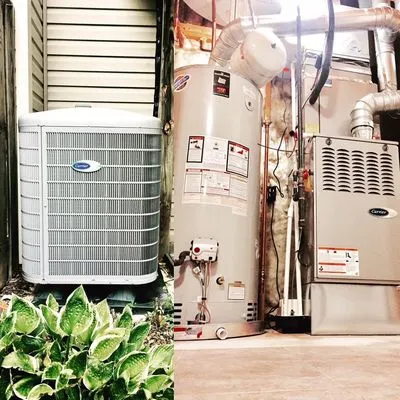
Heaters Darrin Chafin has been a trusted local HVAC provider in San Francisco since 2001. We specialize in residential heating and air conditioning services, from system installation and repair to rou...
PT Cooling & Heating serves San Pablo, CA, as a dedicated local HVAC specialist. We understand the common challenges homeowners face, from clogged air filters reducing efficiency to unexpected blower ...
JCS Mechanical is a trusted heating and air conditioning (HVAC) company serving San Pablo, CA, and the surrounding communities. We specialize in diagnosing and repairing common local HVAC issues, incl...
Peter Levi Plumbing
Peter Levi Plumbing is a trusted, full-service plumbing and HVAC company serving San Rafael, CA, and the surrounding Marin County area. We specialize in heating, air conditioning, plumbing, and water ...
Jazz Heating, Cooling, Plumbing & Electrical
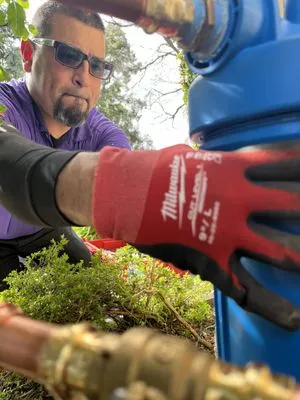
Jazz Heating, Cooling, Plumbing & Electrical is a family-owned business serving Pleasanton and the greater Bay Area since 2014. With over 30 years of combined industry experience, our team of certifie...

Calvey Heating & Air
Calvey Heating & Air is a locally owned HVAC contractor in Mountain View, built on a foundation of quality, value, and honesty. Founded by Joe Calvey, who brings his experience from working in both Ir...

San Jose Heating & Cooling
San Jose Heating & Cooling is a family-owned HVAC contractor serving San Jose and the greater Bay Area since 2016. With over 15 years of combined industry experience, our team brings a personal, dedic...

Before founding Breathable, I served as an operations manager for a major Bay Area HVAC company, focusing on training and quality assurance. We started this business in 2008 because we wanted to build...
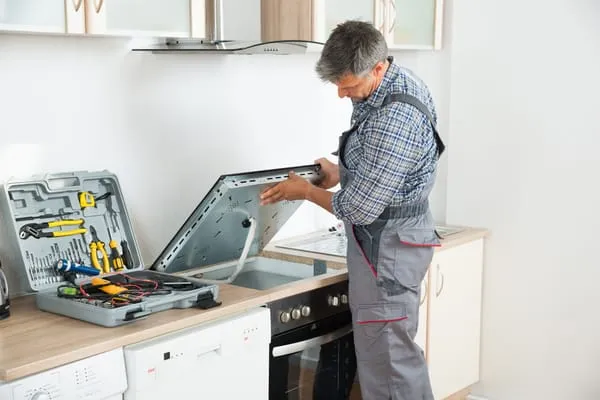
Sunny HVAC & Appliance Repair has been serving Fremont and the wider Bay Area since 2011, providing reliable repair services for both home and commercial appliances as well as HVAC systems. Founded by...
Trio Heating & Air
Trio Heating & Air is a dedicated local HVAC, air duct cleaning, and water heater service provider in Menlo Park. Our focus is on delivering reliable comfort solutions while maintaining a strong commi...
Estimated HVAC Service Costs in Richmond, CA
Questions and Answers
Are the new 2026 SEER2 standards and high electricity costs worth a system upgrade?
The 14.3 SEER2 minimum for 2026 models directly addresses Richmond's $0.44 per kWh utility rates by reducing energy consumption by 15-20% compared to older units. Pairing a high-SEER2 system with the active HEEHRA rebate, capped at $8,000, significantly offsets the upfront cost. This investment converts high operational expenses into a fixed, lower monthly cost, with payback accelerated by PG&E's up to $1,000 electrification rebate.
My Ecobee thermostat shows an E1 alert. What does this mean?
An Ecobee E1 alert indicates a communication error between the thermostat and the outdoor unit. In Richmond, this often points to a corroded low-voltage wire connection at the condenser due to the coastal environment, or a safety switch trip from refrigerant pressure issues. This specific signal allows for targeted diagnostics, potentially preventing a full system shutdown during a critical cooling period by addressing the fault before it escalates.
Why does my air conditioner struggle on the hottest days, even though it's working?
Richmond's design temperature for HVAC systems is set at 84°F, which is the outdoor temperature the equipment is sized to maintain 75°F indoors. When ambient temperatures exceed this—common during inland heat pushing toward the coast—the system operates continuously, and the delta T (temperature drop across the coil) shrinks. Modern R-454B refrigerant helps maintain capacity better than older refrigerants in these conditions, but sustained operation above design limits is normal.
What permits and safety rules apply to a new Richmond HVAC installation?
All replacements require a permit from the City of Richmond Building and Code Enforcement Division. As of 2026, installations using A2L refrigerants like R-454B must adhere to updated safety standards, including leak detectors and specific circuit interrupters, which are now code-mandated. Your contractor must certify compliance with these protocols and the EPA's refrigerant handling guidelines. Proper permitting ensures system safety and eligibility for all applicable rebates.
Should I switch from my gas furnace to a heat pump in Richmond?
Richmond's moderate coastal climate, with winter lows that rarely challenge modern cold-climate heat pumps, makes it an ideal candidate for electrification. Shifting from gas heat to a heat pump aligns with PG&E's peak hours (4-9 PM) by using more efficient heating during off-peak times. The combined HEEHRA and utility rebates make the financial case stronger, especially when considering the long-term operational savings versus volatile gas prices.
Can my home's ductwork handle filters for wildfire smoke and spring pollen?
Galvanized sheet metal with external duct wrap, common in Richmond homes, generally provides a robust enough plenum to handle higher MERV-13 filtration without major static pressure issues. This is vital for mitigating April pollen peaks and wildfire PM2.5 risk. However, a technician should verify duct integrity and measure static pressure, as aged systems may have leaks or restrictions that compromise airflow when using advanced filters.
What should I do if my air conditioning fails during a Richmond heatwave?
First, check your thermostat and circuit breaker for simple resets. If the system remains off, a technician can typically dispatch from near the Richmond Civic Center and reach Downtown Richmond via I-580 within 15-25 minutes. This response window is critical for preserving indoor conditions and preventing further compressor damage. We prioritize no-cool calls in summer to restore cooling before the peak afternoon heat.
How long do Richmond HVAC systems typically last, and why do they fail?
The median age for a Richmond system is 72 years, calculated from the average 1954 build year. Units this old often operate on outdated R-22 refrigerant and suffer from degraded galvanized sheet metal ducts. Salt-air induced condenser coil corrosion accelerates failure here, as coastal humidity and airborne particulates from the bay aggressively attack the aluminum fins. This combination of age, obsolete components, and environmental stress dictates a proactive replacement strategy.
