
Top Emergency HVAC Services in San Francisco, CA, 94101 | Compare & Call

There are 240 hvac companies server in San Francisco CA
CostLess Heating & Cooling
CostLess Heating & Cooling is a family-owned HVAC company serving San Jose since 2007, founded by Sal P. with over two decades of industry experience. We specialize in heating and cooling solutions, i...
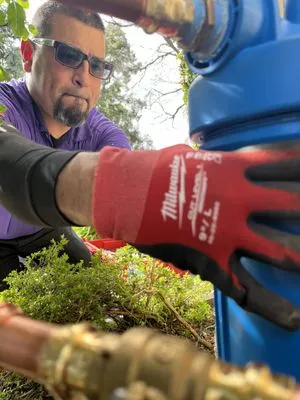
Jazz Heating, Cooling, Plumbing & Electrical
Jazz Heating, Cooling, Plumbing & Electrical is a family-owned business serving Pleasanton and the greater Bay Area since 2014. With over 30 years of combined industry experience, our team of certifie...
Calvey Heating & Air
Calvey Heating & Air is a locally owned HVAC contractor in Mountain View, built on a foundation of quality, value, and honesty. Founded by Joe Calvey, who brings his experience from working in both Ir...
San Jose Heating & Cooling
San Jose Heating & Cooling is a family-owned HVAC contractor serving San Jose and the greater Bay Area since 2016. With over 15 years of combined industry experience, our team brings a personal, dedic...
Trio Heating & Air
Trio Heating & Air is a San Jose-based HVAC company dedicated to year-round home comfort. We specialize in installing, repairing, and maintaining heating and cooling systems, along with water heater s...

Before founding Breathable, I served as an operations manager for a major Bay Area HVAC company, focusing on training and quality assurance. We started this business in 2008 because we wanted to build...
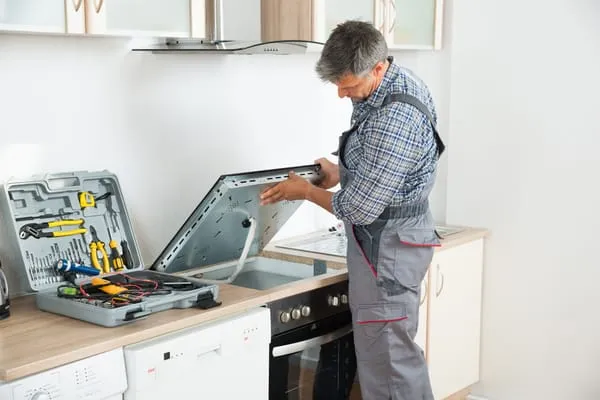
Sunny HVAC & Appliance Repair has been serving Fremont and the wider Bay Area since 2011, providing reliable repair services for both home and commercial appliances as well as HVAC systems. Founded by...
Trio Heating & Air
Trio Heating & Air is a dedicated local HVAC, air duct cleaning, and water heater service provider in Menlo Park. Our focus is on delivering reliable comfort solutions while maintaining a strong commi...
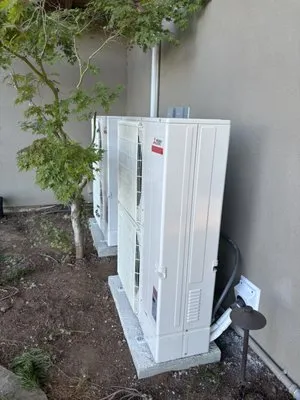
David, the owner of NUR HVAC in Foster City, CA, brings over a decade of hands-on experience in HVAC and electrical work to every project. As a local family man with a background in Electrical Energy,...
A-1 Heating and Cooling is a family-owned HVAC company that has been serving Northern California since 1983, with a strong presence in San Jose and the broader Bay Area. Specializing in residential he...
Estimated HVAC Service Costs in San Francisco, CA
Common Questions
My Ecobee thermostat shows an E1 error. What does this mean?
An Ecobee E1 alert indicates the thermostat has lost communication with the heat pump's outdoor unit. In San Francisco, this often points to a control wiring issue exacerbated by corrosion or a failing low-voltage transformer in the condenser. It can also signal a safety lockout on the unit itself. This requires a technician to diagnose the specific fault at the outdoor unit to restore proper operation and prevent compressor damage.
What happens if my AC stops working on a hot day near Union Square?
A sudden no-cool event requires immediate diagnosis of the compressor, capacitor, or refrigerant charge. From our service hub near US-101, a technician can typically reach a Nob Hill residence within 15-20 minutes, even during afternoon traffic. This rapid response allows for on-the-spot repairs or a clear plan to restore cooling before the evening.
Why does my AC struggle on the few very hot days we get?
San Francisco HVAC systems are designed for a moderate 78°F outdoor temperature, but inland heat can push conditions beyond this limit. When ambient temperatures exceed the design temp, the system's capacity drops and it must run continuously to maintain setpoint. Modern units using R-454B refrigerant maintain better efficiency and capacity at these higher temperatures compared to older R-410A systems, providing more reliable cooling during heat events.
Why is my old HVAC system in San Francisco failing now?
The average Nob Hill home was built in 1946, making many original or replacement HVAC systems over 20 years old. Aging galvanized steel ductwork is prone to developing leaks and corrosion, which reduces system efficiency and indoor air quality. In the coastal environment, salt-air corrosion on condenser coils is a common failure point that accelerates performance decline and leads to refrigerant leaks.
What are the permit and safety rules for a new AC installation in 2026?
All HVAC replacements in San Francisco require a permit from the Department of Building Inspection. For systems using the new R-454B or R-32 A2L refrigerants, which are mildly flammable, 2026 codes mandate specific safety measures. These include leak detectors, revised clearance from ignition sources, and updated labeling. Only contractors certified under EPA Section 608 for A2L refrigerants can legally handle and install this equipment.
Can my existing system protect against wildfire smoke and spring pollen?
Effective protection against April pollen peaks and wildfire PM2.5 requires advanced filtration, typically MERV-13. Your existing galvanized steel ductwork is generally robust, but adding a high-MERV filter can create excessive static pressure in an older air handler. A professional should measure static pressure and may recommend upgrading the blower motor or transitioning to a dedicated media cabinet for safe, high-efficiency filtration.
Is upgrading my AC for better efficiency worth the cost with current rates?
Current PG&E rates of $0.44/kWh make high-efficiency equipment a sound investment. The 2026 federal minimum is 14.3 SEER2, but modern systems can achieve SEER2 ratings above 18, significantly lowering operating costs. The active Inflation Reduction Act rebates, with an $8,000 cap, can offset a major portion of the upgrade cost when paired with a qualified heat pump installation.
Should I replace my gas furnace with a heat pump in San Francisco?
Given San Francisco's mild winter lows and expensive peak electricity rates from 16:00 to 21:00, a modern cold-climate heat pump is a technically viable and efficient primary heat source. The switch from gas heat qualifies for significant IRA and PG&E electrification rebates (up to $1,000). For optimal economics, a smart thermostat can be programmed to minimize heating during peak rate periods, leveraging the heat pump's efficiency during milder daytime hours.
