
Top Emergency HVAC Services in Santa Cruz, CA, 95060 | Compare & Call

J C Heating & Air Conditioning
For over four decades, J C Heating & Air Conditioning has been a trusted, family-owned HVAC provider serving the homes of Santa Cruz, Monterey, and Santa Clara counties. We specialize in the installat...
KT Mechanical is a trusted, locally-owned HVAC contractor serving Santa Cruz and the surrounding region since 2008. As a fully licensed California Contractor (#902030), we specialize in comprehensive ...
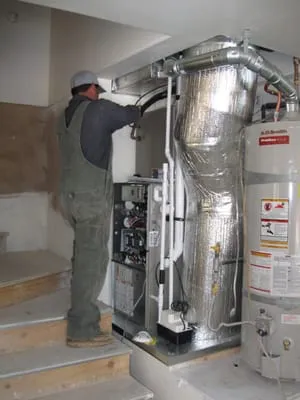
Bruce Mechanical
Bruce Mechanical is a locally owned and operated HVAC and metal fabrication company serving Santa Cruz County and the greater Bay Area since 1984. As a licensed provider, we specialize in residential ...

Affordable Heating & Air is a locally-owned and operated HVAC company serving Santa Cruz County since 1991. Starting as C & R Furnace Cleaning, we grew into a fully licensed C-20 contractor dedicated ...

Geo H Wilson Contractors
Geo H Wilson Contractors is a cornerstone of the Santa Cruz community, employee-owned and operating since 1921. We provide comprehensive mechanical construction services, specializing in HVAC, plumbin...
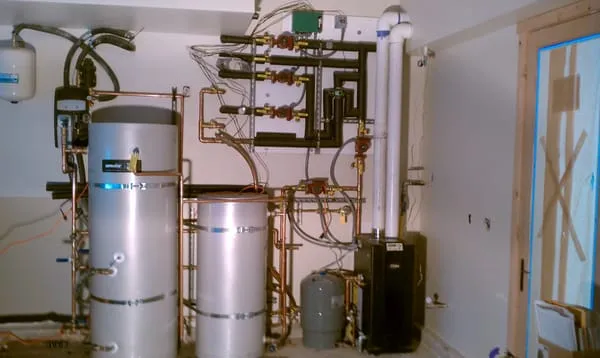
California Radiant
California Radiant has been a trusted heating and solar specialist in Santa Cruz for over 15 years. We focus on delivering energy-efficient comfort through expert installation, maintenance, and repair...
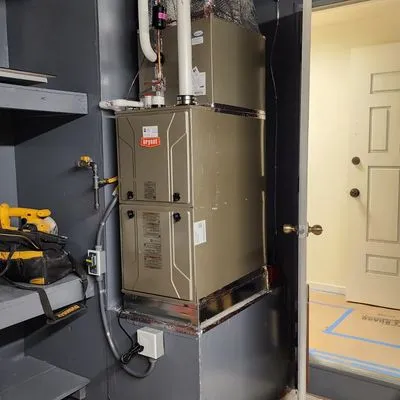
Fuse HVAC & Appliance Repair
Fuse HVAC & Appliance Repair is a trusted local provider in Santa Cruz, CA, delivering reliable solutions for your home comfort and appliance needs. As a fully licensed and EPA-certified team, we spec...
Allstate Home Appliance Repair
Allstate Home Appliance Repair is a family-operated business that has been serving Santa Cruz County for over 60 years, spanning four generations. They specialize in repairing major appliances like wa...

D Right Temp Heating & Air Conditioning is a family-operated HVAC business deeply rooted in the Santa Cruz community. Founded in 2002 by owner Enrique, who grew up in the area, the company brings a un...
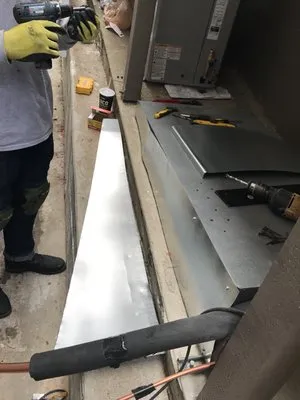
Dufour Furnace Service has been a trusted provider of commercial HVAC solutions in Santa Cruz since 2009. We specialize in the installation, repair, and maintenance of heating and air conditioning sys...
Questions and Answers
Why does our AC struggle on the handful of 90°F days we get each year?
Santa Cruz HVAC systems are typically designed for an 85°F outdoor temperature. On days exceeding 90°F, the system operates at its maximum capacity continuously, and the indoor temperature may still rise. The newer R-454B refrigerant standard for 2026 offers slightly improved high-temperature performance compared to older R-410A, but proper system sizing through a Manual J load calculation remains critical to handle these brief heat spikes.
My Santa Cruz home's original HVAC equipment is from the 1970s. Is it still safe to run?
A system from the 1970s is over 55 years old, well beyond its engineered lifespan. In Santa Cruz, the primary failure mode for units this age is salt air induced coil corrosion. The constant marine aerosol accelerates pitting and leaks in the aluminum fins and copper tubing, drastically reducing efficiency and leading to refrigerant loss. Operating such an old system risks a complete failure during peak demand, and finding replacement parts is often impossible.
Our Downtown home lost all cooling on a hot day. How fast can a technician arrive?
For a no-cool emergency in Downtown Santa Cruz, dispatch can typically route a technician from near the Santa Cruz Wharf area via CA-1. Barring significant beach traffic, we maintain a 10-15 minute response window for urgent calls. The first diagnostic step is to check the outdoor unit for a tripped breaker or a frozen evaporator coil, common issues that can be addressed quickly upon arrival.
Can our home's HVAC system protect us from wildfire smoke and spring pollen?
Effective protection requires a MERV-13 or higher air filter to capture wildfire PM2.5 and pollen. Many Santa Cruz homes have flexible R-6 insulated ductwork, which can often handle the increased static pressure of a better filter, but it must be verified. A static pressure test should be conducted; if pressure is too high, adding a dedicated 4-5 inch media filter cabinet is the correct engineering solution to maintain airflow and equipment life.
We use gas heat now. Should we consider a heat pump for Santa Cruz's mild winters?
Santa Cruz's mild winter lows and high electricity rates during PG&E peak hours (4-9 PM) require careful analysis. Modern cold-climate heat pumps are efficient down to freezing temperatures, but their performance coefficient drops as it gets colder. The economics often favor a hybrid system: the heat pump handles off-peak and moderate heating, while the existing gas furnace provides efficient heat during the coldest evenings and peak rate periods, optimizing both comfort and operating cost.
What are the permit and safety requirements for a new AC installation in 2026?
All HVAC replacements in Santa Cruz require a permit from the City of Santa Cruz Building and Safety Division. As of 2026, new systems using the mildly flammable A2L refrigerant R-454B must comply with updated UL 60335-2-40 standards. This mandates specific leak detection sensors, revised electrical classifications for the equipment, and special technician certifications. The permit process ensures these safety protocols are followed for the lifetime of the installation.
What are the new 2026 efficiency standards, and do they make financial sense here?
As of 2026, federal law requires a minimum SEER2 rating of 14.3 for new central AC and heat pump systems. Given Santa Cruz's PG&E rates of $0.44 per kWh, upgrading from a 10 SEER unit to a 16 SEER2 model can cut cooling costs by nearly 40%. The active Inflation Reduction Act HEEHRA rebates, capped at $8,000, directly offset the premium for high-efficiency equipment, making the payback period exceptionally short for local homeowners.
Our Ecobee thermostat is showing an 'E1' alert. What does this mean for our system?
An Ecobee E1 alert indicates the thermostat is not detecting power from the HVAC system's control board. In Santa Cruz, this is frequently caused by a tripped safety limit switch due to restricted airflow from a dirty filter or failing blower motor. It can also signal a failed control board, often a result of the corrosive coastal environment. This alert prevents system operation to avoid further damage and requires a technician to diagnose the specific open circuit in the low-voltage control wiring.
