
Top Emergency HVAC Services in Sunnyvale, CA, 94043 | Compare & Call

Same Day Air Conditioning & Heating
Same Day Air Conditioning & Heating is a licensed HVAC service provider in Sunnyvale, CA, specializing in residential and light commercial heating and cooling solutions. We offer comprehensive service...

Jim's Air Conditioning Service is a licensed and insured HVAC provider serving Sunnyvale, CA, and surrounding communities like Mountain View, Los Altos, Santa Clara, and Cupertino. With expertise in b...
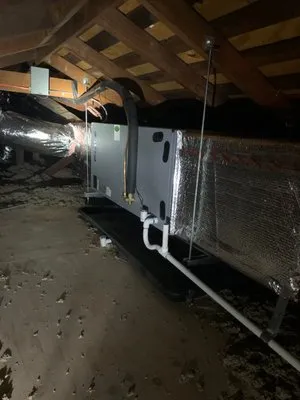
At Grumpy's HVAC, we've been Sunnyvale's local heating and cooling specialist for over 30 years. We understand the unique climate challenges of our area, from sweltering summers to chilly winter night...
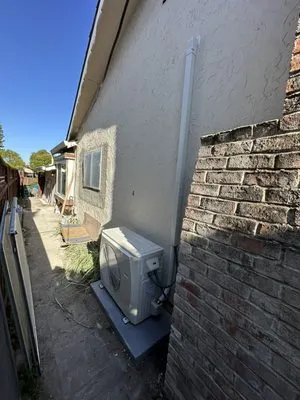
Breeze HVAC Repair is your trusted local heating and air conditioning specialist serving Sunnyvale, CA. We help homeowners maintain comfortable indoor environments year-round with expert HVAC installa...
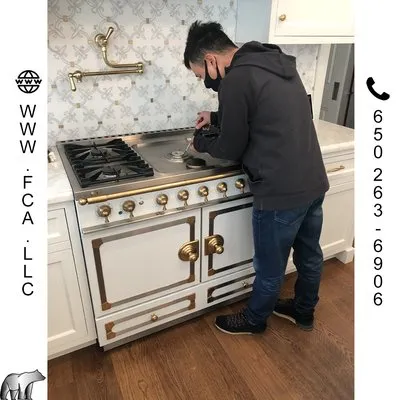
First California Appliances in Sunnyvale, CA, is a locally owned and operated appliance and HVAC repair service founded by an engineer with over 20 years of corporate experience. After emigrating from...
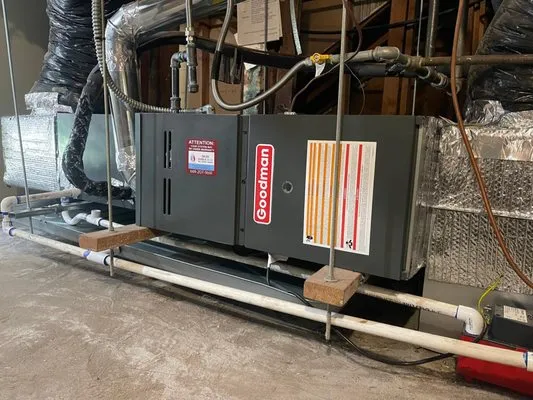
Alpha HVAC & Electrical is a family-owned and operated business serving Sunnyvale and the surrounding communities. With years of experience, our licensed technicians provide dependable HVAC and electr...
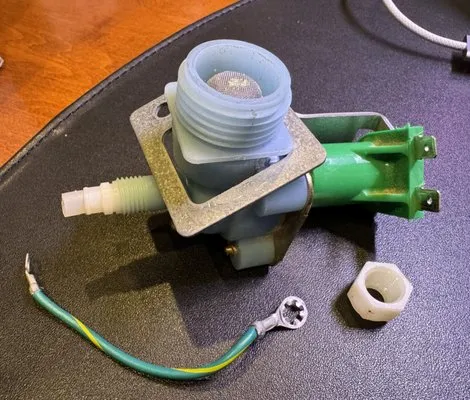
MYC Appliance Repair is a locally owned and licensed service provider in Sunnyvale, CA, with years of solid experience in appliance and HVAC repair. Our team is dedicated to resolving your home applia...
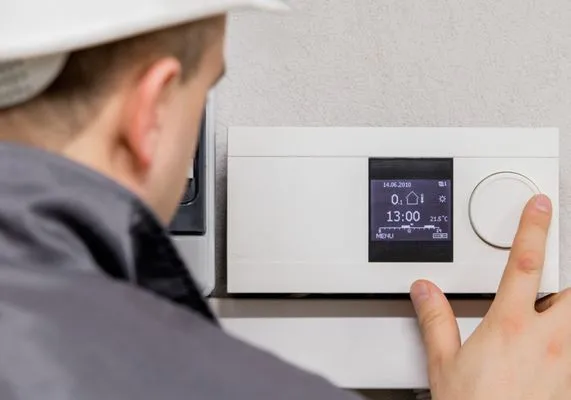
FixSolid Repair Dannenberg is a family-owned HVAC business serving Sunnyvale and the surrounding areas with reliable heating and air conditioning solutions. Founded as a small repair company, we've gr...
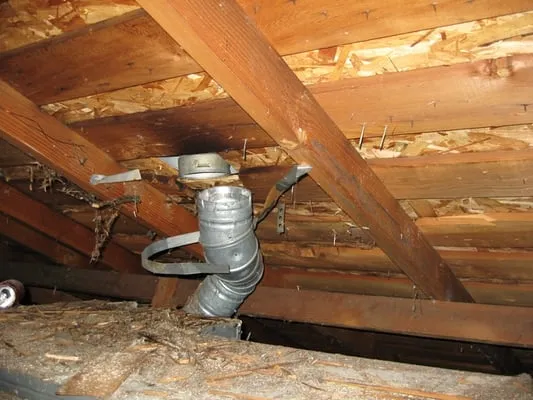
Arnie's Furnace Service is a trusted Sunnyvale HVAC specialist focused on keeping local homes comfortable year-round. We specialize in diagnosing and repairing all types of heating and cooling systems...
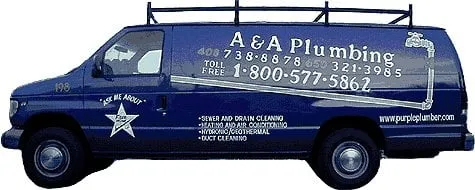
A&A Plumbing has been serving Sunnyvale's plumbing and HVAC needs since 1947, when it was founded by the Anderson family. Currently owned by James (Mike) Fox since 2003 (contractor's license #801323),...
Q&A
How much will a new system save me with current energy rates and rebates?
California's 2026 minimum SEER2 requirement is 14.3, but modern systems achieve 18-20 SEER2 for substantial savings. At Sunnyvale's $0.44/kWh rates, upgrading from a 10 SEER to 18 SEER2 system reduces cooling costs by approximately 45%. The Inflation Reduction Act provides up to $8,000 in rebates, making high-efficiency systems cost-competitive. Combined with Silicon Valley Clean Energy's $2,000 heat pump incentive, the payback period often falls under 5 years.
Can my existing ductwork handle better air filtration for wildfire smoke and pollen?
Sunnyvale's April pollen peak and wildfire PM2.5 risk make MERV-13 filtration valuable for indoor air quality. Your flexible R-6 insulated ducting typically supports MERV-13 filters without significant static pressure increases if the system is properly sized. We measure static pressure before and after filter upgrades to ensure airflow remains within design specifications. Higher filtration reduces particulate loading on coils and improves overall system cleanliness.
What permits and safety standards apply to new HVAC installations in Sunnyvale?
The City of Sunnyvale Building Division requires permits for all HVAC replacements to verify compliance with 2026 California energy codes. R-454B and other A2L refrigerants mandate special installation practices including leak detection, room sensors, and equipment room ventilation calculations. Technicians must hold EPA 608 certification with specific A2L training. Proper documentation ensures eligibility for rebates and maintains system warranties while addressing the mildly flammable refrigerant safety protocols.
What happens if my AC stops working during a Downtown Sunnyvale heatwave?
For emergency no-cool calls in Downtown Sunnyvale near Murphy Avenue, technicians can typically respond within 10-15 minutes via US-101. We dispatch from nearby service centers with diagnostic tools and common replacement parts pre-loaded. The priority is restoring cooling to prevent indoor temperature spikes that can affect electronics and comfort. Most capacitor-related failures can be resolved on-site during the initial visit.
My Ecobee thermostat shows an E1 error - what does this mean for my Sunnyvale home?
The Ecobee E1 alert indicates a communication failure between the thermostat and HVAC equipment. In Sunnyvale installations, this often signals capacitor degradation affecting control board voltage or wiring issues from thermal expansion in attics. The error triggers before complete system failure, allowing proactive maintenance. We check control voltage, wiring connections, and capacitor health when addressing E1 codes to prevent no-cool emergencies during peak demand periods.
Should I switch from gas heat to a heat pump in Sunnyvale's climate?
Sunnyvale's mild winter lows rarely challenge modern cold-climate heat pumps, which maintain efficiency down to 5°F. The 16:00-21:00 peak utility hours make heat pumps with time-of-use programming advantageous for shifting electrical load. Gas-to-heat-pump transitions qualify for both federal and local rebates while eliminating combustion byproducts indoors. Proper sizing ensures the heat pump handles both cooling and heating loads without auxiliary resistance heat during typical winter conditions.
Why does my AC struggle when temperatures exceed 95°F in Sunnyvale?
Sunnyvale HVAC systems are designed for 88°F outdoor temperatures, creating a performance gap during heatwaves above 95°F. The R-454B refrigerant standard for 2026 maintains better efficiency at higher temperatures compared to older R-410A systems. During extreme heat, capacity drops approximately 1-2% per degree above design temperature. Proper sizing accounts for these conditions while avoiding oversizing that causes short-cycling and humidity issues.
My Sunnyvale home's AC is from the 1970s - should I worry about it failing?
A 1975 installation means your HVAC system is approximately 51 years old, well beyond the typical 15-20 year lifespan. In Sunnyvale's semi-arid climate with 88°F design temperatures, older systems experience capacitor failure due to repeated thermal cycling during summer months. The electrical components degrade from constant expansion and contraction, creating reliability issues. Modern systems use more durable capacitors rated for higher ambient temperatures.
