
Top Emergency HVAC Services in Applewood, CO, 80215 | Compare & Call

There are 218 hvac companies server in Applewood CO
Since 2008, Leawood Heating & Air has been a foundational part of Denver's HVAC community, known for integrating smart technology with reliable heating and cooling. Founder Jerry brings award-winning ...
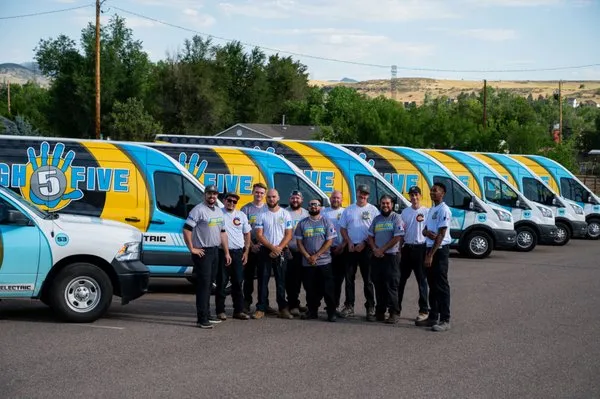
High 5 Plumbing, Heating, Cooling & Electric
High 5 Plumbing, Heating, Cooling & Electric is a locally owned and operated home service company serving Golden, CO, and the greater Denver metro area. Founded in 2012 by Levi Torres, the company is ...
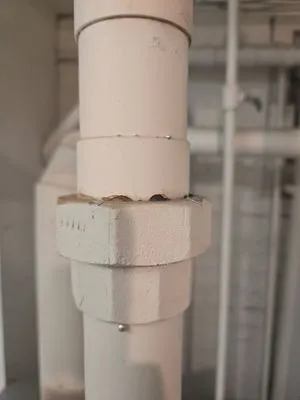
TCF Emergency Plumbing & Heating
TCF Emergency Plumbing & Heating is a Denver-based, family-operated company founded by Thomas, a master plumber with over 15 years of industry experience. Originally from Chicago, Thomas brought his e...
Tradewinds Heating and Cooling
Tradewinds Heating and Cooling has been a trusted name in Wheat Ridge and the Denver Metro area since 2000. Founded and owned by local resident Fred, the company is built on a foundation of integrity ...
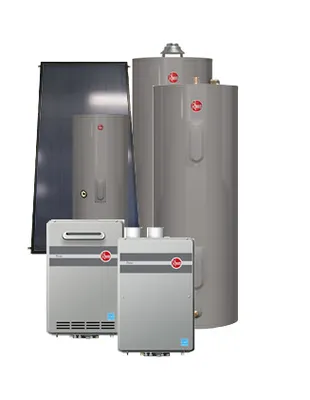
Wheeler's Plumbing Heating & Cooling
Since 1995, Wheeler's Plumbing Heating & Cooling has been a trusted family name in Brighton and the Denver metro area. Founded by John Wheeler, the business is now proudly run by his son Jeremiah Whee...

Davey Heating & Air Conditioning
Davey Heating & Air Conditioning is a family-run business that has been serving Denver homes for over 12 years. We focus on building lasting relationships by providing reliable heating, cooling, and w...
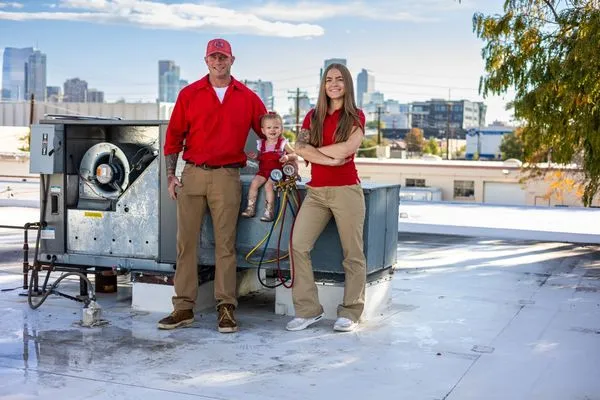
Jump HVAC
Jump HVAC is a family-owned and woman-owned heating and air conditioning contractor serving Lakewood, Colorado, with over 25 years of combined industry expertise. Founded by Master Mechanical License ...
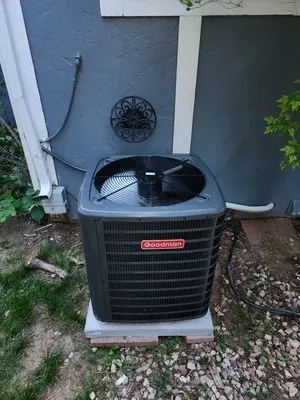
Lifestyle Heating and Cooling
Lifestyle Heating and Cooling is a trusted HVAC and water heater service provider serving Aurora, CO, and the surrounding communities. As a locally owned and operated company, we focus on delivering r...
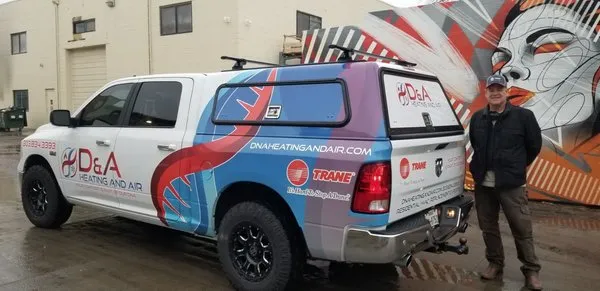
D&A Heating and Air is a family-owned and Trane-certified HVAC contractor serving Lakewood and the Denver metro area. Founded by Daniel Cagle and his son, our team combines over 20 years of industry e...
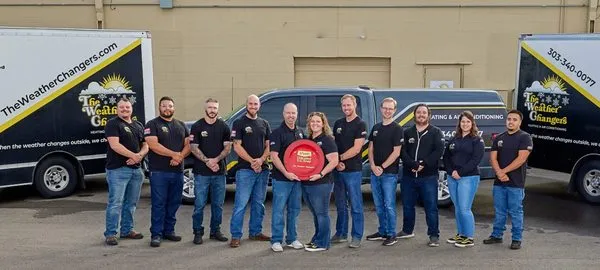
The Weather Changers Heating and Air Conditioning
Since 2009, The Weather Changers Heating and Air Conditioning has been a trusted, family-owned HVAC provider serving the Greater Denver Metro Area, including Aurora, Parker, and Centennial. Founded wi...
Estimated HVAC Service Costs in Applewood, CO
Question Answers
How do 2026 SEER2 requirements affect Applewood homeowners?
The 2026 federal mandate requires minimum 14.3 SEER2 efficiency for new installations. At Applewood's 14¢/kWh utility rates, upgrading from older 10 SEER systems can save $300-500 annually on cooling costs. The Inflation Reduction Act provides up to $8,000 in rebates for qualifying high-efficiency systems, making upgrades economically viable. These combined savings typically offset installation costs within 5-7 years.
What permits and standards apply to 2026 HVAC installations in Applewood?
All HVAC installations in Applewood require permits from the Jefferson County Building Safety Division. 2026 standards mandate special handling for R-454B refrigerant, classified as an A2L mildly flammable gas. Installations must include leak detection systems and follow specific clearance requirements. These regulations ensure safe operation while maintaining the refrigerant's environmental advantages over previous options.
What does an Ecobee E1 alert mean for Applewood HVAC systems?
An Ecobee E1 alert indicates the thermostat isn't detecting adequate airflow from your HVAC system. In Applewood's arid climate, this often signals evaporator coil icing or blower motor issues. The alert helps prevent compressor damage by shutting down the system before major failures occur. Addressing E1 alerts promptly maintains system efficiency and prevents more costly repairs from prolonged operation with restricted airflow.
What's the fastest way to get emergency HVAC service in Applewood Valley?
For a no-cool emergency during Applewood's hot afternoons, technicians can reach Applewood Valley within 15-25 minutes from Applewood Park via I-70. This response time ensures minimal disruption during peak heat hours. Local companies prioritize emergency calls to prevent system damage from extended operation with faults. Quick dispatch helps maintain indoor comfort while technicians diagnose the underlying issue.
Should Applewood homeowners switch from gas heat to heat pumps?
Heat pumps offer efficient heating during Applewood's mild winters, with modern units effective down to -10°F. The 13:00-19:00 utility peak hours make heat pumps advantageous for off-peak operation. Combining heat pumps with existing gas systems creates a hybrid approach that optimizes fuel costs. Xcel Energy's $300-$1,500 rebates further improve the economics of transitioning to dual-fuel systems.
How do Applewood's summer temperatures affect HVAC performance?
Applewood's 91°F design temperature represents the peak condition HVAC systems are engineered to handle. When temperatures exceed this threshold, systems must work harder to maintain indoor comfort. R-454B refrigerant maintains stable performance up to 115°F ambient temperatures, providing reliable cooling during occasional heat spikes. Proper sizing through Manual J calculations ensures systems can handle these temperature variations efficiently.
Why do older Applewood HVAC systems develop evaporator coil icing?
The average Applewood home was built in 1969, making many HVAC units 57 years old in 2026. Older systems develop restricted airflow due to deteriorating galvanized steel ductwork, which causes evaporator coils to ice over. This occurs because reduced airflow lowers coil temperature below freezing, trapping moisture that freezes on the coils. Regular maintenance can detect airflow restrictions before icing becomes a persistent issue.
Can Applewood homes handle MERV-13 filters for wildfire smoke and pollen?
Applewood's galvanized steel ductwork generally supports MERV-13 filtration without excessive static pressure issues. This is crucial during May pollen peaks and wildfire PM2.5 events. Properly sized systems maintain airflow while capturing 90% of particles 3-10 microns in size. A static pressure test confirms whether your specific duct configuration can handle higher filtration without reducing system performance.
