
Top Emergency HVAC Services in Erie, CO, 80026 | Compare & Call

Carbon Valley Heating and Air has been the trusted local HVAC expert for Erie, CO families and businesses since 1999. As a family-owned company, we've built our reputation on honesty, integrity, and a...

Colorado Green Plumbing, Heating & Cooling is a family-owned business with deep roots in Erie, CO, and the surrounding Boulder and Weld County communities. Founded in 1980 by Mike, the company initial...
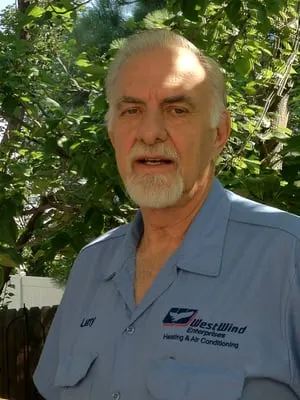
For over two decades, Larry, the owner of West Wind Enterprises, has built a reputation on expertise and reliability in Erie's heating, cooling, and appliance repair needs. His background isn't just f...

Lionheart Heating & A/C was founded in Erie, CO, by an experienced professional who wanted to provide reliable heating and air conditioning services without the high costs often charged by larger comp...
Air Mechanical is your trusted local HVAC partner in Erie, CO, dedicated to keeping homes comfortable and efficient year-round. We understand the specific challenges Erie homeowners face, such as ther...
Tri-Town Plumbing & Heating
Tri-Town Plumbing & Heating is a fourth-generation, family-owned business serving the Front Range, including Erie, Frederick, and Longmont. For nearly five decades, we've provided reliable plumbing, h...
Front Line Mechanical is a locally owned and operated HVAC service provider in Erie, CO, founded on decades of hands-on experience. Starting in 1997 as a subcontractor for a small home builder, the ow...
Flatland Heating and Air provides reliable heating and air conditioning services for homes and businesses in Erie, Colorado, and the surrounding Front Range communities. As a licensed and insured HVAC...

Applied Comfort Mechanical
Applied Comfort Mechanical is a trusted HVAC company serving Erie, Colorado homeowners with reliable heating and air conditioning solutions. We specialize in addressing common local HVAC problems like...
Question Answers
Can my existing ductwork handle better air filters for Erie's wildfire smoke and May pollen?
Galvanized sheet metal with external fiberglass wrap typically supports MERV-13 filtration without significant static pressure issues, provided the system was properly sized. For Erie's wildfire PM2.5 risk and May pollen peak, MERV-13 filters capture over 85% of these particles. We recommend checking static pressure during seasonal maintenance, as excessive pressure from clogged filters can reduce airflow by 15-20%, compromising both filtration and cooling capacity.
What permits and safety standards apply to new HVAC installations in Erie?
The Town of Erie Building Division requires permits for all HVAC replacements, with inspections verifying proper sizing and installation. For 2026, R-454B refrigerant installations must follow new A2L safety standards including leak detection systems, service port caps, and proper ventilation calculations. Technicians need EPA Section 608 certification with specific A2L endorsements. These standards address R-454B's mild flammability while maintaining its lower global warming potential compared to previous refrigerants.
My AC stopped cooling during a hot afternoon in Colliers Hill. How quickly can a technician arrive?
From our service center near Erie Community Park, we dispatch technicians via I-25 for Colliers Hill emergencies. This routing typically yields a 10-15 minute response window during business hours. For no-cool calls, we first check for tripped breakers and thermostat settings over the phone. If those are functional, we prioritize compressor failure or refrigerant loss diagnostics upon arrival.
How does Erie's summer heat affect air conditioner performance?
Erie's design temperature of 91°F represents the 1% hottest hours annually, though summer highs occasionally reach 95°F. At these elevated temperatures, standard systems lose about 10-15% of their rated capacity. The new R-454B refrigerant maintains better performance in high heat than previous refrigerants, with only a 5% capacity reduction at 95°F compared to R-410A's 8% drop. Proper sizing through Manual J calculations ensures adequate cooling during these peak conditions.
What efficiency standards apply to new AC installations in Erie for 2026?
Colorado now requires a minimum 14.3 SEER2 rating for new split-system air conditioners. This represents about an 8% efficiency improvement over previous SEER ratings. With Erie's electricity at $0.15/kWh, upgrading from a 10 SEER to a 16 SEER2 unit saves approximately $300 annually. The Inflation Reduction Act provides up to $8,000 in rebates for qualifying high-efficiency installations, making the payback period under five years for most homes.
My HVAC system is original to my 2007 Erie home. Should I be concerned about its age?
A 19-year-old system in Erie is beyond its typical 15-year design life. Units from this era often develop evaporator coil micro-leakage due to formicary corrosion, a process where acidic condensate creates microscopic pits in aluminum coils. This corrosion accelerates in Colorado's arid climate where low humidity concentrates contaminants. The R-22 refrigerant in older systems is also being phased out, making repairs increasingly expensive and less effective.
My Ecobee thermostat shows an E4 error code. What does this mean for my Erie home?
The Ecobee E4 alert indicates the thermostat isn't detecting proper equipment operation, often signaling communication loss with the HVAC system. In Erie homes, this frequently correlates with evaporator coil issues or refrigerant pressure problems. We recommend checking for ice buildup on the indoor coil first, as low refrigerant charge from micro-leaks can trigger this error. If the system continues running despite the error, it may be overcooling and damaging the compressor.
Should I consider switching from gas heat to a heat pump in Erie?
Modern cold-climate heat pumps operate efficiently down to -5°F, making them viable for Erie's winter lows around 15°F. During Xcel Energy's 15:00-19:00 peak hours, heat pumps provide 2-3 times more heat per kWh than resistance heating. The Inflation Reduction Act rebates make dual-fuel systems (heat pump with gas backup) particularly attractive, allowing automatic switching to gas during extreme cold when electricity demand and rates peak.
