
Top Emergency HVAC Services in Fort Collins, CO, 80521 | Compare & Call

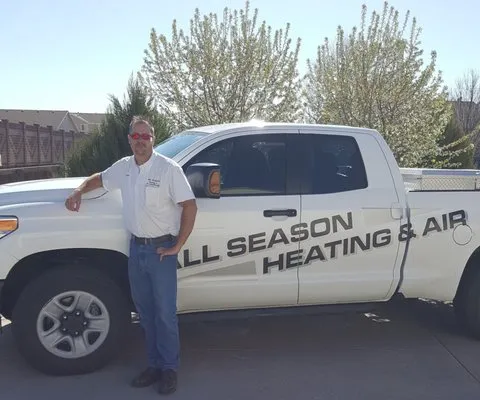
All Season Heating & Air Conditioning is a Fort Collins-based HVAC company founded by Brian Billingsley, who brings over 25 years of industry experience to every job. After working in the field for ye...
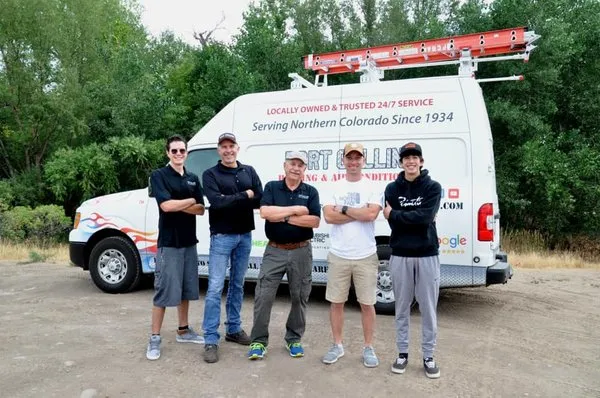
Fort Collins Heating & Air Conditioning
Fort Collins Heating & Air Conditioning is a family-owned business rooted in three generations of local service, beginning with the Fort Collins Sheet Metal Company in 1934. Glenn, the current owner, ...
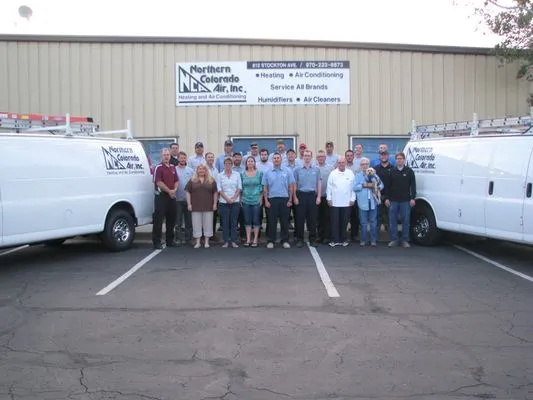
Northern Colorado Air
Northern Colorado Air has been a trusted, family-owned HVAC and water heater service provider in Fort Collins, CO, since 1992. Founded by Griff, who brings over 40 years of industry experience, the co...
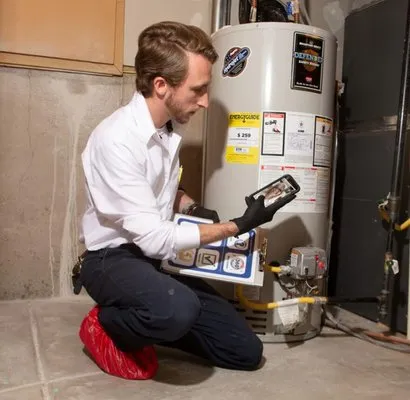
Allen Service
For over 60 years, Allen Service has been the trusted, family-owned name for home comfort and repair in Fort Collins. Founded in 1962 and now operated by third-generation brothers Jeff and Mike Allen,...
R&H Heating & Air Conditioning
Since 1958, the same family has operated R&H Heating & Air Conditioning, providing reliable HVAC services to Northern Colorado homes. As a third-generation, locally-owned business, we combine decades ...
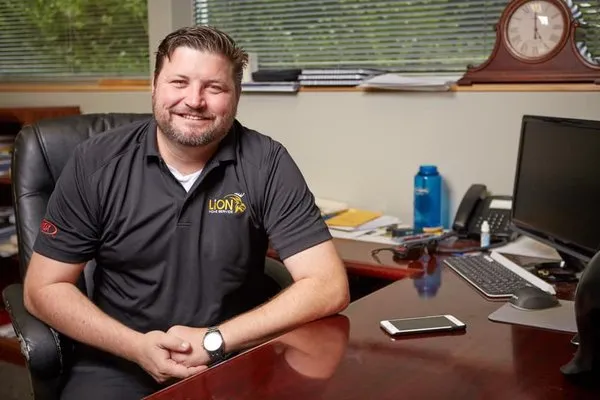
Lion Home Service
Lion Home Service is an independently owned and operated Fort Collins business serving homeowners throughout Northern Colorado. With multiple specialized divisions—Heating and Air, Roofing and Gutters...
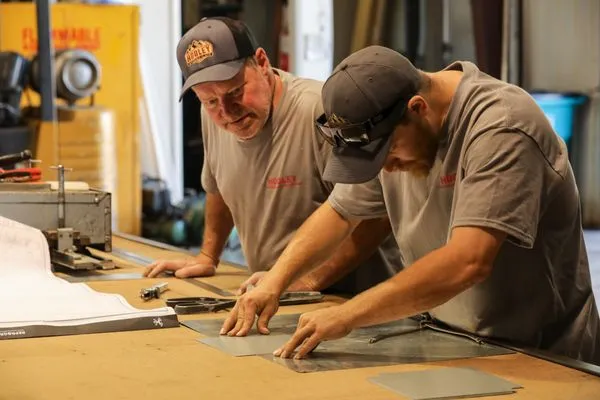
Hooley Heating & Air
Hooley Heating & Air has been the trusted local choice for Fort Collins homeowners and businesses since 1979. We specialize in the installation, repair, and maintenance of heating, air conditioning, a...

Luminous Electric, Heating, & Cooling
Luminous Electric, Heating, & Cooling is a locally owned and operated electrical contractor serving Fort Collins and Northern Colorado since 2015. Our team of licensed and insured master electricians ...
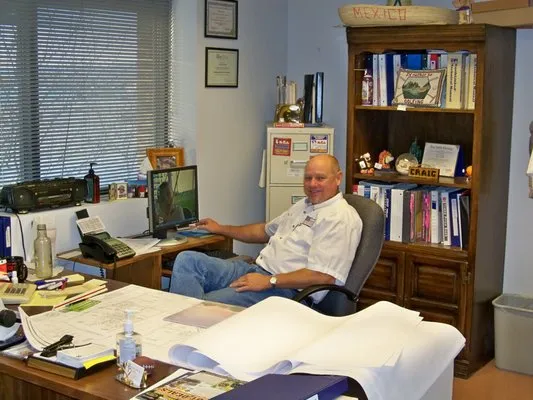
Poudre Valley Air
Poudre Valley Air is a trusted HVAC contractor serving Fort Collins, Loveland, Greeley, and Cheyenne, WY since 1973. We specialize in residential and commercial heating, ventilation, and air condition...
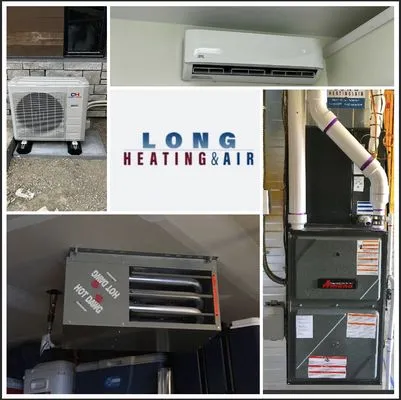
Long Heating & Air
Long Heating & Air is a trusted, family-run HVAC company serving Fort Collins and Northern Colorado with over 25 years of dedicated experience. We specialize in providing reliable heating, cooling, an...
Common Questions
Can my home's existing ductwork handle better air filtration for wildfire smoke and pollen?
Most Fort Collins homes with galvanized steel ductwork can accommodate MERV-13 filters without significant static pressure issues when properly sized. This filtration level effectively captures PM2.5 particles from wildfire smoke and pollen grains that peak in May. However, an HVAC professional should verify your specific system's airflow capacity before upgrading filters, as restricted airflow can reduce efficiency and cause coil freeze-ups.
What does an Ecobee E1 error code indicate for my Fort Collins HVAC system?
An Ecobee E1 alert signals that your thermostat has lost communication with the HVAC equipment. In Fort Collins' climate, this often indicates power interruptions to the control board caused by voltage fluctuations during afternoon thunderstorms. The error can also appear when high diurnal temperature swings trigger safety lockouts. Immediate investigation prevents extended system downtime during critical cooling periods.
What permits and safety standards apply to new HVAC installations in Fort Collins?
All HVAC installations requiring refrigerant work must be permitted through the City of Fort Collins Building Services Department. As of 2026, systems using R-454B refrigerant must comply with updated A2L safety standards requiring leak detectors, updated ventilation requirements, and specialized technician certification. These regulations ensure safe handling of mildly flammable refrigerants while maintaining system efficiency and reliability.
My Old Town home has no cooling during a hot afternoon - how quickly can help arrive?
From City Park, technicians can reach Old Town neighborhoods via I-25 within 15-20 minutes during normal traffic conditions. This response time allows for rapid diagnosis of common no-cool issues like capacitor failures or refrigerant leaks. Quick intervention prevents further system damage and restores comfort before evening temperatures drop significantly.
How old is my Fort Collins HVAC system likely to be, and why does that matter?
The average home in Fort Collins was built around 1992, making many HVAC systems approximately 34 years old in 2026. This age places them well beyond their typical 15-20 year service life. Older systems in our climate are particularly prone to evaporator coil freeze-ups due to high diurnal temperature swings. These temperature variations stress aging components, causing refrigerant leaks and airflow restrictions that lead to ice formation on coils.
How well do modern AC systems handle Fort Collins' summer heat extremes?
HVAC systems in Fort Collins are designed for 91°F outdoor temperatures, though summer highs occasionally exceed this threshold. The R-454B refrigerant standard for 2026 installations maintains stable performance up to approximately 115°F ambient conditions. During extreme heat events, properly sized systems continue operating but may struggle to maintain indoor temperatures below 75°F without supplemental cooling strategies.
Should I consider switching from gas heat to a heat pump in Fort Collins?
Heat pumps offer viable heating in Fort Collins where winter lows rarely drop below -10°F. Modern cold-climate models maintain efficiency down to -15°F. With utility peak hours from 2-7 PM, programmable thermostats can shift heat pump operation to off-peak periods. The Inflation Reduction Act's $8,000 rebate makes heat pump installations economically attractive compared to maintaining aging gas systems.
What are the current efficiency requirements for new AC systems in Fort Collins?
As of 2026, all new air conditioning installations must meet a minimum 13.4 SEER2 rating under federal regulations. Fort Collins Utilities offers a $500 efficiency rebate, and the Inflation Reduction Act provides up to $8,000 in tax credits for qualifying high-efficiency systems. With local electricity rates at $0.13/kWh, upgrading from a 10 SEER to a 16 SEER2 system typically reduces cooling costs by 30-40% annually.
