
Top Emergency HVAC Services in Longmont, CO, 80501 | Compare & Call


Northern Colorado Air
Northern Colorado Air (NCA) has been a trusted local HVAC and plumbing resource for Longmont and the Front Range since 1992. As a family-owned Lennox Premier Dealer, we combine over 40 years of collec...
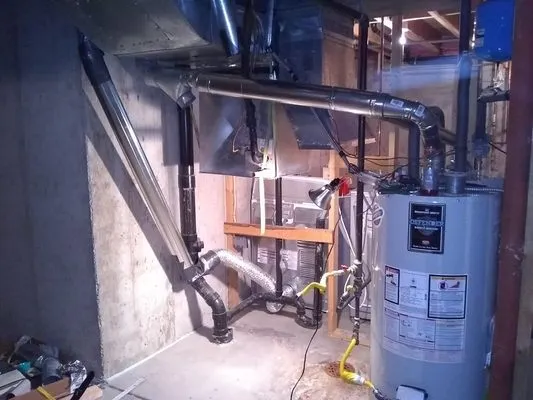
Colorado Solar Heating & Air Conditioning
Colorado Solar Heating & Air Conditioning is a trusted, full-service provider in Longmont, CO, dedicated to keeping homes comfortable and systems running efficiently. We specialize in heating, air con...
MME Home Services
MME Home Services is a locally owned and family-operated plumbing, heating, and air conditioning company serving Longmont, Boulder, and North Denver. We provide fast, affordable, and reliable services...

Your Comfort Heating & Cooling is your trusted local HVAC expert serving Longmont, CO, and surrounding areas. We specialize in professional heating and air conditioning installation, repair, and maint...
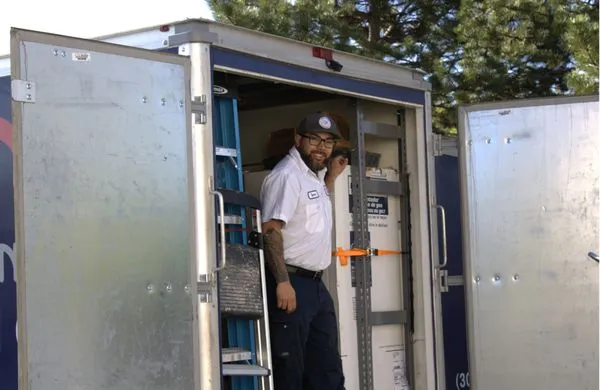
Jim Needham Heating Cooling Plumbing and Drain
Jim Needham Heating Cooling Plumbing and Drain is a licensed, BBB-accredited service provider serving Longmont, CO, and the surrounding Denver area. With expertise in plumbing, water heater installati...
Circulating Air is a family-owned and operated HVAC company proudly serving Longmont and the surrounding Boulder County area since 1994. Founded by master contractor Bob Russell, who brings decades of...
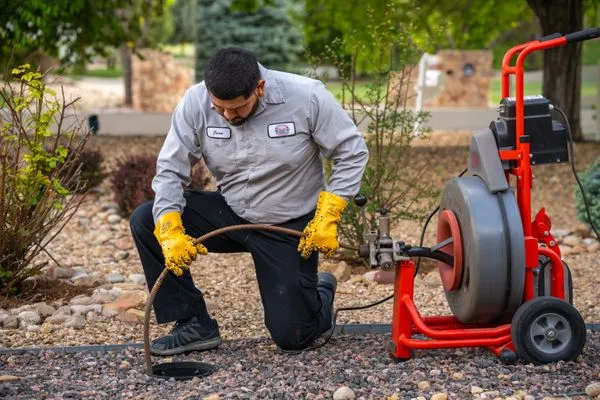
M and M Heating & Cooling, Plumbing & Electrical
M and M Heating & Cooling, Plumbing & Electrical is a family-owned and operated business serving Longmont, Colorado, and surrounding communities since 1998. Founded and raised right here in Longmont, ...
My Guy Heating & Air
My Guy Heating & Air is a trusted, locally-owned HVAC company serving Longmont and the surrounding areas. Founded and operated by Leonard Wilson, a licensed Master Mechanical HVAC Service Technician w...

Woelfel Heating & Air is a family-owned HVAC company serving Northern Colorado, including Longmont, with reliable heating and air conditioning services. We specialize in repair, installation, and main...
CT Heating & AC
CT Heating & AC is a family-owned HVAC and water heater service company serving Longmont, Colorado, with over 25 years of local experience. Founded in 2006 by Todd Kramer, who learned the trade from h...
Frequently Asked Questions
What are the permit and safety rules for a new AC installation in 2026?
All HVAC replacements in Longmont require a permit from the Building Inspection Division. For 2026, this includes strict adherence to new safety standards for A2L refrigerants like R-454B, which are mildly flammable. Installations must follow updated code requirements for leak detection, ventilation in mechanical rooms, and specific labeling. These protocols ensure safety while enabling the use of more environmentally friendly refrigerants with lower global warming potential.
With gas heat, is switching to a heat pump a good idea for Longmont's cold winters?
Modern cold-climate heat pumps are effective in Longmont, operating efficiently down to near 0°F. The financial case involves comparing natural gas costs to electricity at $0.13/kWh, especially during Xcel Energy's 2-7 pm peak hours. A hybrid system, which uses a heat pump as the primary heat source and the gas furnace as backup during extreme cold or peak pricing, often provides the optimal balance of comfort and operating cost.
Why does my AC struggle when it hits 95°F, even though it's rated for 91°F?
Longmont's summer highs regularly exceed the 91°F design temperature used for system sizing. This temperature gap reduces the system's capacity and efficiency, as it runs continuously to try to meet the load. Modern systems using R-454B refrigerant maintain better performance and pressure in these high ambient temperatures compared to older R-22 units, which would see a severe efficiency drop.
My Ecobee thermostat is showing an 'E1' alert. What does this mean for my system?
An Ecobee E1 alert indicates the thermostat is not detecting a call for heat or cool from your HVAC equipment. In Longmont, this often points to a safety lockout on the furnace control board, frequently triggered by a high-limit switch tripping due to restricted airflow from a dirty filter. It can also signal a failed condensate pump or float switch, which is a common issue in our arid climate where systems run frequently for cooling.
I've heard about new efficiency standards. What does the 14.3 SEER2 minimum mean for my Longmont home?
The 2026 federal SEER2 minimum of 14.3 represents a significant efficiency jump for our climate zone. Upgrading from an old 10 SEER unit to a new 18 SEER2 model at Longmont's $0.13/kWh rate can cut cooling costs substantially. The active Inflation Reduction Act rebates, with caps up to $8,000, make this upgrade financially viable by offsetting the higher initial cost of advanced equipment.
My furnace is as old as the house, and I'm worried about it breaking. How old is the average system in Longmont?
A home built in 1989 likely has an original HVAC system nearing 37 years old. In the arid climate of Longmont, condensate lines in these older units are a common failure point. Galvanized steel ductwork from that era can develop leaks, and the condensate drain pan may have corroded, leading to water damage or the line freezing and shutting the system down.
With wildfire smoke and spring pollen, can my old duct system handle a high-efficiency air filter?
Wildfire PM2.5 and May pollen peaks make MERV-13 filtration a wise health investment. Your existing galvanized steel ducts, while durable, create higher static pressure than modern flexible ducts. A technician must perform a static pressure test before installing a MERV-13 filter; an undersized blower motor in an older furnace may struggle, requiring a system adjustment or upgrade to move air effectively.
My air conditioner just quit on a hot afternoon. How fast can a technician get to my house near Roosevelt Park?
For a no-cool emergency in Downtown Longmont, a service van can typically reach a home near Roosevelt Park from CO-119 within 5 to 10 minutes. The first diagnostic steps would be to check the circuit breaker and the condensate overflow switch, which is a frequent culprit for shutdowns in our local systems.
