
Top Emergency HVAC Services in Pueblo, CO, 81001 | Compare & Call

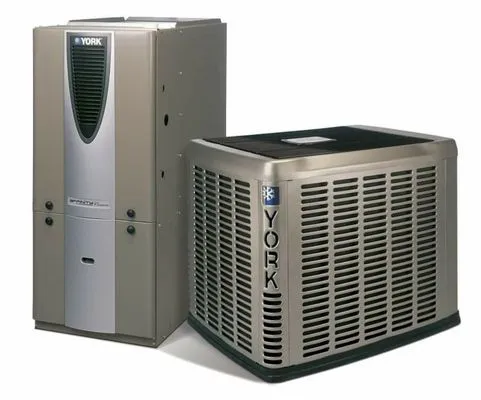
Lucero Heating & Cooling is your trusted local HVAC expert serving Pueblo and the surrounding areas. We specialize in resolving the common issues Pueblo homeowners face, like refrigerant leaks that le...
Comfort Quality is a trusted, licensed, and insured HVAC provider serving Pueblo and Southern Colorado with over 24 years of hands-on experience. We specialize in creating comfortable, safe, and energ...

Precise Heating & Air Conditioning has been a trusted name in Pueblo's climate control since 2004. Founded by Tom Mraovich, who brings over 30 years of hands-on experience in Pueblo County, the compan...
Hickman Mechanical is your Pueblo-based, family-owned partner for heating, cooling, and appliance needs. We've proudly served the community for years, recently rebranding from Hickman Home Solutions t...
Flow Right Plumbing, Heating & Cooling
Flow Right Plumbing, Heating & Cooling has been a trusted, family-owned Pueblo business since 2008, founded by Lance Harvey with a commitment to fairness, quality workmanship, and exceptional customer...
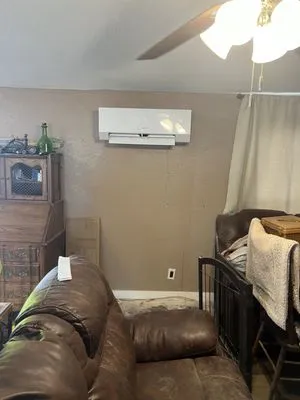
All Purpose Heating & AC is Pueblo's trusted HVAC specialist, providing comprehensive heating and air conditioning services to keep homes comfortable year-round. We understand the unique challenges Pu...
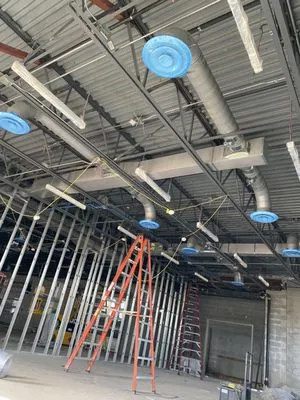
Advanced Air Mechanical
Advanced Air Mechanical is a Pueblo-based company dedicated to providing reliable solutions for home comfort and plumbing. Our team brings years of hands-on experience and specialized certifications t...

Jim's Home Repair And Preventative Maintenance
For over 20 years, Jim's Home Repair And Preventative Maintenance has been a trusted, family-owned business serving Pueblo. Founded by James Neighbors, whose father was a carpenter and handyman, the c...
Any Hour Heating & Cooling is a trusted HVAC provider serving Pueblo, CO, and the surrounding areas. We specialize in comprehensive heating and cooling solutions, including installation, repair, and m...

Casa Energy is a trusted Pueblo-based home energy and HVAC specialist, dedicated to improving your home's comfort and efficiency. We specialize in comprehensive building energy audits to identify hidd...
FAQs
What should I know about permits and safety for a new AC installation in 2026?
All HVAC replacements in Pueblo require a permit from the Pueblo Regional Building Department, which ensures compliance with mechanical and electrical codes. Since 2025, systems using A2L refrigerants like R-454B, which are mildly flammable, must be installed following specific EPA requirements. These include updated leak detection, service access, and room size calculations that your contractor is responsible for meeting before the final inspection.
My Ecobee thermostat is showing an 'E1' alert. What does that mean here?
An Ecobee E1 alert indicates the thermostat is not detecting a call for cooling or heating from your HVAC equipment. In Pueblo, this is frequently caused by a safety limit switch on the furnace tripping due to restricted airflow from a dirty filter or scaled evaporator coil. It can also signal a failed control board or a low-voltage wiring issue. This alert allows for proactive diagnosis before a complete system shutdown occurs.
What does the new 14.3 SEER2 minimum mean for my utility bills, and are there rebates?
The 14.3 SEER2 national standard, effective in 2026, ensures new systems use about 15% less energy than older 13 SEER units. At Pueblo's average rate of $0.14 per kWh, this directly lowers operating costs. The federal Inflation Reduction Act provides a rebate of up to $8,000 for qualifying heat pump installations, which can offset a significant portion of the upgrade cost when combined with Black Hills Energy's local incentives.
Can my home's ductwork handle better filters for wildfire smoke and May pollen?
Your existing galvanized sheet metal ductwork is typically robust enough to support a MERV-13 filter, which is effective for PM2.5 from wildfires and seasonal pollen. The critical factor is static pressure; an older blower motor may struggle. A technician should measure external static pressure before installation to ensure the system can move sufficient air. If pressure is too high, duct modifications or a blower upgrade may be necessary for proper filtration.
Is switching from my gas furnace to a heat pump a good idea for Pueblo winters?
Modern cold-climate heat pumps can effectively heat Pueblo homes down to temperatures near 5°F. The economic case is strengthened by the $8,000 federal rebate and Black Hills Energy incentives. To manage the higher electricity cost during peak hours (2 PM to 7 PM), a well-programmed thermostat or a hybrid system that uses gas as supplemental heat below a certain temperature can optimize annual operating costs.
My AC just quit on a hot afternoon in Downtown Pueblo. How quickly can a technician arrive?
Dispatch from our service center near Pueblo City Park provides direct access to I-25, allowing for a reliable 12-15 minute response to most Downtown calls. Upon arrival, a technician will first check for common Pueblo issues like a tripped breaker from high static pressure or a failed capacitor stressed by the arid heat. This rapid response is designed to restore cooling before the peak utility hours from 2 PM to 7 PM.
Why does my AC struggle when it's over 95°F, even though it's a newer unit?
Residential air conditioners in Pueblo are sized for a 93°F design temperature, a standard based on historical data. When ambient temperatures exceed this, the system's capacity drops and it runs continuously to maintain setpoint. The newer R-454B refrigerant has a slightly lower discharge temperature than older R-410A, which can help compressor longevity during these extended high-load periods, but it cannot overcome the fundamental physics of the design limit.
My furnace and AC are original to my 1967 Pueblo home. Should I be worried?
A system installed in 1967 is now 59 years old, which far exceeds the typical 15-20 year service life. In Pueblo, the mineral-heavy water leads to evaporator coil scaling, a process that accelerates with age. This scaling acts as an insulator, drastically reducing the coil's ability to absorb heat, which lowers efficiency and increases strain on the compressor. Planning for a replacement now, rather than waiting for a mid-summer failure, is a prudent approach.
