
Top Emergency HVAC Services in Rifle, CO, 81650 | Compare & Call

B & B Plumbing & Heating
For over 40 years, B & B Plumbing & Heating has been Rifle's trusted, family-owned provider for all things plumbing, heating, and HVAC. Since 1974, we've built our reputation on reliable service, from...
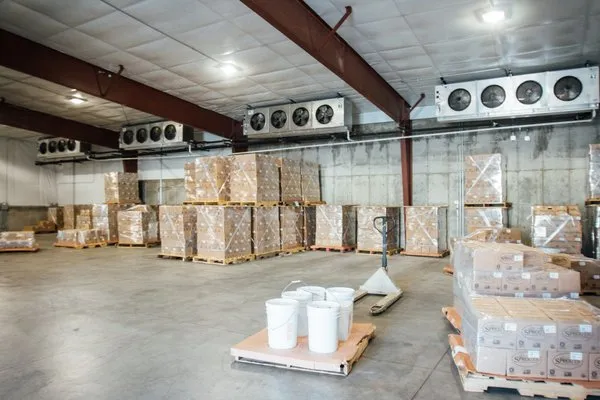
Nordic Refrigeration
For over 35 years, Nordic Refrigeration has been a trusted fixture in Eagle County and the I-70 corridor, serving Rifle and surrounding communities. We specialize in commercial and industrial refriger...
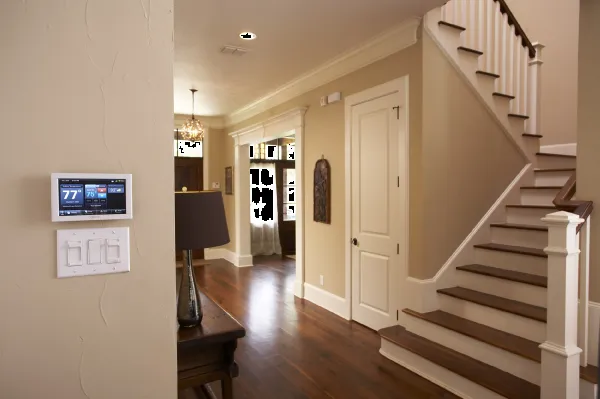
Mountain Air Mechanical is a trusted, locally owned HVAC and plumbing contractor with over two decades of experience serving the Western Slope from Craig to Aspen and Vail to Parachute. Based in Rifle...
Pacific Sheet Metal
Pacific Sheet Metal is a third-generation family-owned contractor serving Western Colorado since 1968, with deep roots in Aspen and Carbondale. For over 50 years, they've built their reputation on inv...
U.S. Boiler & Plumbing
U.S. Boiler & Plumbing Co is a family-owned business serving Rifle, CO, with deep roots in craftsmanship and community. Founded by Rick, whose plumbing career began in 1978, the company embodies a leg...
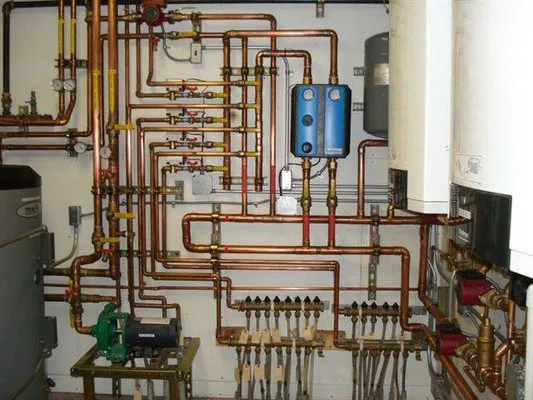
Bain Brothers Plumbing & Heating
For over 35 years, Bain Brothers Plumbing & Heating has been a trusted, family-operated name in Garfield County. Founded by Licensed Master Plumber Phil Bain, the company began its service in the Vail...
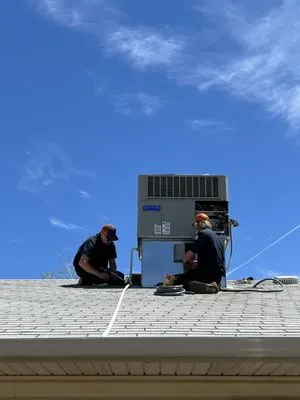
Pride Plumbing Heating And Cooling
Pride Plumbing Heating and Cooling has been a trusted provider of plumbing, heating, and cooling services in Rifle, CO, and the surrounding areas since 2008. We specialize in plumbing inspections, wat...
Greenlight
Greenlight is Rifle, CO's trusted partner for reliable plumbing, heating, and air conditioning solutions. We understand that local homes often face HVAC challenges like refrigerant leaks and heat pump...

Canyon Plumbing & Heating is Rifle's trusted provider for comprehensive plumbing and HVAC solutions. Serving Garfield County, our team of certified technicians specializes in diagnosing and resolving ...
Ac Dc Controls is a trusted HVAC service provider serving Rifle, Colorado, and the surrounding Western Slope communities. Specializing in the precise electrical and control systems that keep heating a...
Q&A
Can my older home's duct system handle better air filters for wildfire smoke and pollen?
Spring pollen peaks and summer wildfire PM2.5 make advanced filtration valuable. Your existing galvanized sheet metal ductwork is generally robust, but adding a MERV-13 filter can create excessive static pressure if the system wasn't designed for it. A technician should measure your system's static pressure to confirm it can move adequate air through a high-efficiency filter without straining the blower motor.
Why does my AC struggle on the hottest days, even though it's newer?
HVAC systems in Rifle are engineered to a 91°F outdoor design temperature, based on historical data. On days that exceed this, which are becoming more frequent, the system's capacity diminishes and it may run continuously to meet demand. Modern R-454B refrigerant, now standard, maintains stable pressure and efficient heat transfer better than older refrigerants in these high-ambient conditions, but cannot overcome a significant design limit shortfall.
What if my air conditioner stops working on a hot afternoon in Downtown Rifle?
A sudden 'No-Cool' situation requires a prompt diagnosis of the compressor, capacitor, or refrigerant charge. Our service vehicles based near the I-70 corridor can typically reach Downtown Rifle residences within 15-20 minutes, ensuring a rapid response to restore cooling before the peak evening heat. We prioritize these calls to prevent indoor temperatures from rising significantly.
My furnace is original to my Rifle home. Should I be concerned about its age?
A unit installed in 1987 is now 39 years old, which exceeds the typical 15-20 year service life for HVAC equipment. In our arid climate, the large daily temperature swings between Rifle Falls and the valley floor cause high thermal cycling. This constant expansion and contraction accelerates metal fatigue, making the heat exchanger the most common failure point in systems of this vintage. A professional inspection can assess its integrity.
What should I know about permits and safety for a new A/C installation?
All HVAC replacements in Rifle require a permit from the City of Rifle Building Department, which ensures the installation meets current mechanical and electrical codes. As of 2026, systems using mildly flammable A2L refrigerants like R-454B must comply with updated safety standards (UL 60335-2-40). These mandate specific leak detectors, revised circuit breaker requirements, and proper labeling, which a qualified technician will handle as part of the permitted installation process.
Is switching from my gas furnace to a heat pump a practical choice for Rifle winters?
Modern cold-climate heat pumps are effective in Rifle's winters, but the decision involves your utility rates and usage patterns. While a heat pump provides efficient heating, operating it during Holy Cross Energy's peak hours (4 PM to 9 PM) when electricity is most expensive can offset savings. A hybrid system, which uses the heat pump as the primary heat source and the gas furnace as backup during peak cold or peak rate periods, often provides the optimal balance of comfort and cost.
How do the new 2026 efficiency standards affect my replacement options?
Current federal law requires new central air conditioners to meet a minimum of 14.3 SEER2, a metric that better reflects real-world performance. While a higher SEER2 unit costs more upfront, the combination of Rifle's 14-cent per kWh electricity rate and available Inflation Reduction Act rebates—up to $8,000 for qualified heat pumps—can dramatically improve the payback period. The Holy Cross Energy $500 rebate provides additional local savings.
My Ecobee thermostat is showing an 'E1' alert. What does this mean for my system?
An Ecobee E1 code indicates the thermostat has lost communication with the HVAC equipment. In Rifle homes, this is often caused by a blown low-voltage fuse on the control board, typically from a failing component like a contractor or blower motor drawing too much current. It's a diagnostic signal that prevents equipment damage, prompting a service call to identify and resolve the underlying electrical fault before a complete system shutdown occurs.
