
Top Emergency HVAC Services in Salem, CT, 06420 | Compare & Call

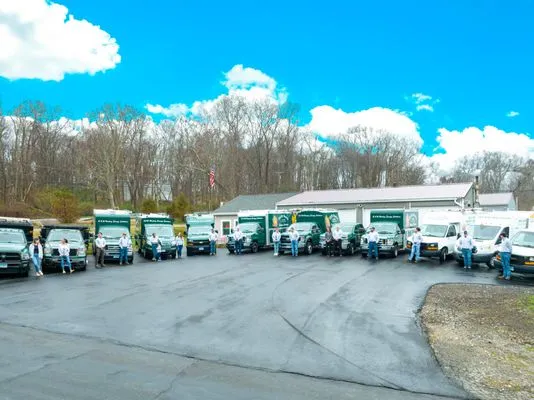
R & W Heating Energy Solutions
Founded in 2004 by Rick and Wanda Hatch, R & W Heating Energy Solutions is a family-owned Salem business built on over three decades of HVAC experience. Rick and Wanda, with their team, bring a combin...
Question Answers
We heat with propane. Is switching to a heat pump a practical choice for Salem winters?
Yes, modern cold-climate heat pumps are engineered for Connecticut winters. They operate efficiently in sub-freezing temperatures, providing both heating and cooling from one system. To manage costs, you can program the system to use less electricity during Eversource's peak rate hours from 3:00 PM to 8:00 PM. The significant federal and utility rebates available make transitioning from propane financially advantageous for many homeowners.
Our home's air conditioner is the original one from 1985. Is it worth fixing or should we plan for a replacement?
A unit from 1985 is 41 years old, which is well beyond its intended service life. In Salem's climate, these older systems often develop frozen evaporator coils due to a lack of airflow. This is typically caused by deteriorating ductwork, clogged filters, or failing blower motors. Continuing to repair a system this old is generally not cost-effective, as parts are scarce and efficiency is very low.
What are the permit and safety requirements for installing a new system with the latest refrigerant?
All HVAC replacements in Salem require a permit from the Salem Building Department. As of 2026, systems using A2L refrigerants like R-454B, which are mildly flammable, must follow strict new installation codes. These mandate specialized leak detection systems, updated airflow requirements, and specific clearance zones. Only EPA-certified technicians trained in A2L safety protocols can legally handle and install this equipment, ensuring safe operation for your household.
Our Ecobee thermostat is showing an E1 alert. What does this mean for our HVAC system?
An Ecobee E1 alert specifically indicates the thermostat is not detecting power from your HVAC system's control circuit. In Salem, this often points to a tripped float switch from a clogged condensate drain line, a blown low-voltage fuse on the furnace control board, or a safety lockout on the outdoor unit. It's a diagnostic signal that prevents system operation to avoid damage, requiring a technician to trace and resolve the electrical fault.
How well will a new air conditioner handle our summer heat when it gets above 87 degrees?
The 87°F design temperature is an engineering standard for sizing equipment, not an operational limit. Modern systems, especially those using the new R-454B refrigerant, are designed to operate efficiently at temperatures well above that point. R-454B has favorable thermodynamic properties that maintain capacity and efficiency better than older refrigerants during the prolonged high-heat and high-humidity periods Salem experiences.
With the May pollen peak and ozone risk, can our current duct system support better air filters?
Your galvanized sheet metal ducts with external fiberglass wrap are generally robust and can support higher filtration. However, installing a MERV-13 filter to capture pollen and fine particles requires a static pressure check. An undersized blower motor in an older system may struggle, reducing airflow and potentially causing the evaporator coil to freeze. A technician should measure static pressure to confirm your system can handle the upgrade without modification.
Our air conditioner just stopped working on a hot afternoon. How quickly can a technician get to Salem Center?
For a no-cool emergency, a technician can typically be dispatched from near the Salem Town Office Building within 10 minutes. Using CT-85 provides direct access to most parts of Salem Center. We prioritize these calls to prevent further system stress or indoor discomfort, aiming for a 5-10 minute response window to begin diagnostics.
We heard about new efficiency standards. What does the 14.3 SEER2 minimum mean for our replacement?
The 14.3 SEER2 mandate effective in 2026 sets a new baseline for cooling efficiency, measured under more realistic conditions than the old SEER rating. For a home using electricity at $0.26 per kWh, upgrading from a pre-1992 unit to a modern 18+ SEER2 system can cut cooling costs significantly. The federal Inflation Reduction Act provides rebates of up to $8,000, which can offset a major portion of the investment for qualifying households.
