
Top Emergency HVAC Services in Seymour, CT, 06483 | Compare & Call

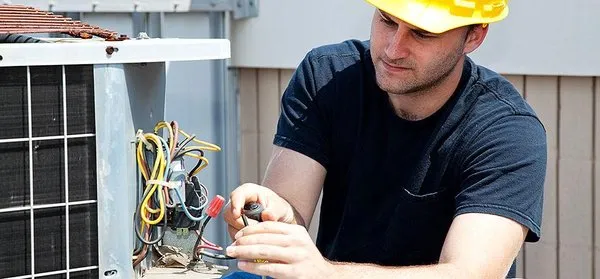
Founded in the late 1970s by Samuel, a local father with a vision to be his own boss, Cole Heating & Cooling has been a trusted name in Seymour for over 30 years. It all started with a single work tru...
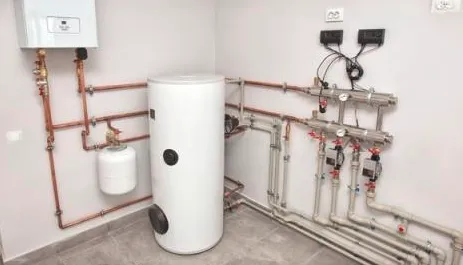
High Quality Heating and Cooling, led by owner Robert, has been serving Seymour, CT, and surrounding communities since 2014. With over 28 years of industry experience, Robert focuses on delivering dep...
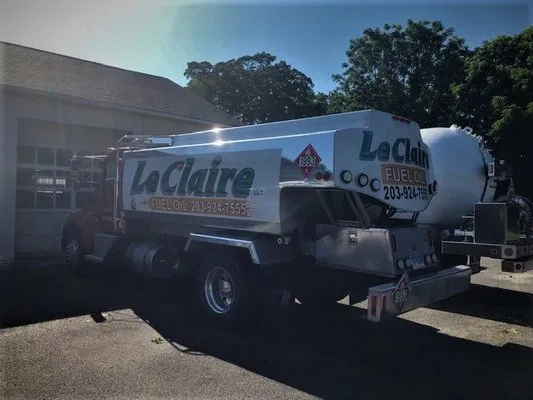
LeClaire Heating & Air Conditioning
LeClaire Heating & Air Conditioning is your trusted local HVAC and plumbing expert, proudly serving the Seymour community and surrounding areas for over 35 years. We provide reliable heating, air cond...

ZRL Mechanical
ZRL Mechanical is your trusted local HVAC and plumbing expert serving Seymour, CT, and the surrounding communities. We understand the frustration of common local heating issues, like a malfunctioning ...
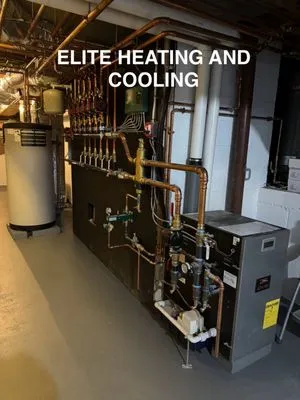
Elite Heating And Cooling
Elite Heating And Cooling is your trusted Seymour, CT HVAC and water heater specialist, dedicated to keeping local homes comfortable year-round. We understand that many Seymour homeowners face common ...
East Coast Heating & Cooling is a trusted local HVAC company serving Seymour, CT, and the surrounding communities. We understand the common challenges homeowners face, such as aging HVAC equipment los...
Dr Energy Saver
Dr Energy Saver in Seymour, CT, is a trusted home energy specialist serving the community since 2009. As a local contractor, they focus on practical solutions to improve home comfort and reduce energy...
Added Comfort is your trusted local HVAC expert in Seymour, CT, dedicated to keeping your home comfortable year-round. We understand the common local challenges homeowners face, such as uneven heating...
Cole Heating & Cooling is your trusted local HVAC expert serving Seymour, CT, and surrounding communities. We understand the specific challenges homeowners face in our area, from unexpectedly high ene...
Common Questions
Why does my AC struggle on the hottest days, even if it's newer?
Seymour's summer highs can exceed 95°F, but residential systems are typically sized for a 88°F design temperature based on historical data. On extreme days, the system runs continuously to maintain a temperature delta, which is normal. Modern units using R-454B refrigerant maintain better capacity and efficiency at high ambient temperatures compared to older R-410A systems. Ensuring proper airflow, clean coils, and adequate refrigerant charge is critical for peak performance during these high-load periods.
My Seymour home's original HVAC system still works. Should I wait for a complete failure before replacing it?
A 1964 home likely has a system over 20 years old, which is beyond its expected service life. In Seymour's humid climate, older systems are prone to condensate line freezing and clogging, as the drain pan and lines degrade and accumulate biological growth. This age also means lower efficiency, parts obsolescence, and a higher risk of a refrigerant leak from worn components. Proactive replacement prevents a mid-summer failure and allows for a planned upgrade to modern, efficient technology.
What are the permitting and safety rules for installing a new AC or heat pump in Seymour?
The Seymour Building Department requires a permit for all new HVAC installations to ensure compliance with state building and mechanical codes. As of 2026, new systems predominantly use A2L refrigerants like R-454B, which are mildly flammable. Installations must follow updated safety standards, including specific leak detection, ventilation requirements, and marked pipework. A licensed contractor will pull the permit, schedule inspections, and certify the system meets all current EPA Section 608 and Connecticut regulations for refrigerant handling.
With natural gas heat, is a heat pump a practical option for our Connecticut winters?
Modern cold-climate heat pumps are engineered for efficiency in Seymour's winters, maintaining heating capacity down to 5°F. Operating costs depend on the $0.24 per kWh electricity rate versus natural gas prices. The system can be programmed to use less expensive off-peak power, avoiding the 3 PM to 8 PM utility peak hours. The Inflation Reduction Act rebate of up to $8,000 makes the financial case for a hybrid or full heat pump system stronger, especially when replacing aging equipment.
What happens if my AC quits on a hot Saturday in Downtown Seymour? How fast can a technician arrive?
A no-cool emergency on a weekend receives priority dispatch. From our local service hub near French Memorial Park, a technician can be en route via Route 8 within minutes, typically arriving at a Downtown Seymour home in 5-10 minutes. The van carries common capacitors, contactors, and diagnostic tools to resolve most immediate failures on-site. This rapid response aims to restore cooling before the indoor temperature and humidity rise to uncomfortable levels.
My Ecobee thermostat just showed an 'E160' alert. What should I do?
The Ecobee E160 code signals the thermostat has lost communication with the outdoor heat pump or AC unit. In Seymour, this often points to a condensate line safety switch triggering due to a clog, a tripped disconnect, or a failed low-voltage wire connection. First, check the outdoor unit's disconnect switch and the indoor air handler for any standing water. This specific alert helps prevent compressor damage from low refrigerant or a frozen coil, allowing for early intervention before a complete system failure.
With spring pollen and summer ozone alerts, can my home's air filtration be improved?
Effective filtration addresses both pollen particles and some ozone byproducts. Many Seymour homes have original galvanized steel ductwork, which is durable but may have restrictive design. Upgrading to a MERV-13 filter requires a static pressure check; the existing blower motor and duct layout must handle the increased airflow resistance. A technician can measure static pressure and may recommend duct sealing or a blower upgrade to enable high-efficiency filtration without straining the system.
I see new AC units have a SEER2 rating. What does the 14.3 minimum mean for my bills, and are there rebates?
The 14.3 SEER2 minimum is a 2023 federal efficiency standard, with most new systems now exceeding 16 SEER2. For Seymour's average 2.5-3 ton home, upgrading from a 10 SEER unit to a 16 SEER2 model can reduce cooling electricity use by roughly 25-30%. With local Eversource rates at $0.24 per kWh, the annual savings are significant. The federal Inflation Reduction Act (HEEHRA) provides rebates up to $8,000 for qualifying heat pump installations, which can dramatically offset the upgrade cost.
