
Top Emergency HVAC Services in Stamford, CT, 06831 | Compare & Call

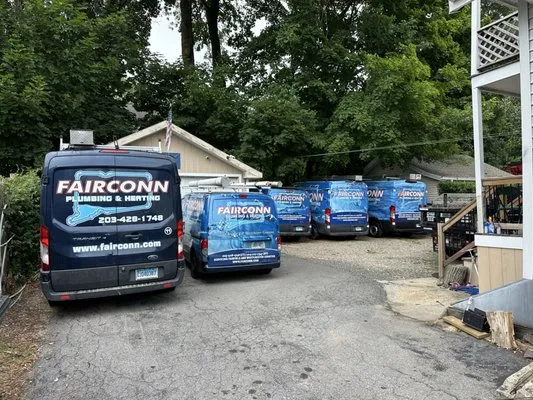
Fairconn Plumbing & Heating
Fairconn Plumbing & Heating is a trusted, family-owned plumbing and HVAC provider serving Stamford, CT, and surrounding areas. With a focus on reliable solutions for both homes and businesses, they sp...

Gault Energy & Home Solutions, Greenwich Division (formerly Northfield Fuel) has been serving Stamford, Greenwich, and parts of New York since 1985. We provide reliable propane delivery, heating oil, ...
Norton Air Conditioners
Norton Air Conditioners provides reliable HVAC and water heater services to the Stamford community. We focus on offering durable, efficient equipment and expert installation, helping local contractors...
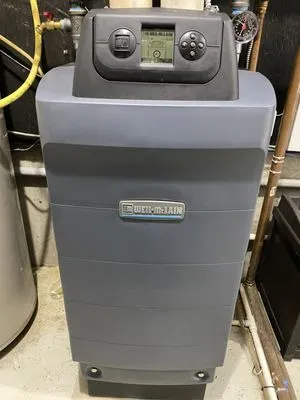
C&C Service Heating & Air Conditioning is a family-owned and operated HVAC company based in Stamford, CT, serving residential and commercial clients throughout Fairfield County, Westchester County, an...
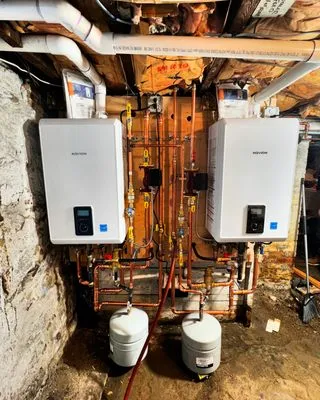
Smart Flow Systems is your local, trusted partner for heating, cooling, and plumbing in Stamford, CT. Our team of experienced technicians provides professional HVAC and plumbing services for both home...
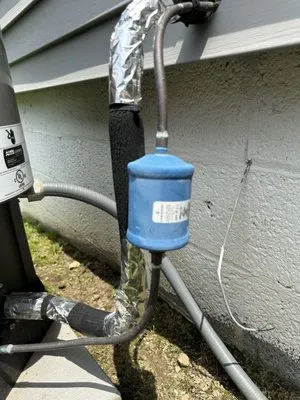
Sila Heating & Air Conditioning
Sila Heating & Air Conditioning brings decades of experience to homes and businesses in Stamford and across Fairfield County. As a local, family-operated company, we understand that your home deserves...
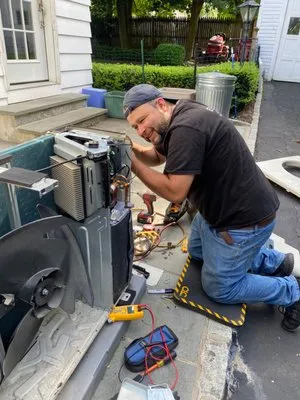
Evolution Air
Evolution Air is a licensed HVAC company serving Stamford, CT, and surrounding Fairfield and Westchester Counties since 2010. We specialize in heating, ventilation, and air conditioning services for b...
Since opening its doors in 2000, Servcon has built its reputation as a trusted local HVAC specialist in Stamford and throughout Fairfield County. Founded by professionals with industry experience dati...
Ralph Saran Plumbing
Ralph Saran Plumbing is a fully licensed and insured plumbing and HVAC service provider with over 35 years of experience serving Stamford, Greenwich, Darien, and New Canaan. We specialize in a wide ra...
At Duct Pro, our journey began in 2006 with a clear mission from owner Ralph Capomolla: to help Stamford homeowners create safer, healthier homes. Inspired by the simple goal of protecting families, w...
FAQs
Do I need a permit to install a new AC with the new refrigerant?
Yes, the Stamford Building Department requires a permit for any new HVAC installation. As of 2026, systems using mildly flammable A2L refrigerants like R-454B must comply with updated safety standards in the building and mechanical codes. This includes specific requirements for leak detection, ventilation in equipment rooms, and technician certification. Proper permitting ensures the installation is inspected for these safety protocols and complies with all local amendments to the state code.
My AC stopped on a hot day in Downtown. How fast can you get here?
A technician can typically be dispatched from our service hub near Mill River Park within the hour. Using I-95 for direct access, travel time to most Downtown Stamford addresses is 15 to 25 minutes. For a no-cool emergency, the priority is restoring cooling and diagnosing the immediate cause, such as a tripped breaker or a clogged condensate line shutting the system off.
Why does my AC struggle when it gets above 95 degrees?
Stamford's residential HVAC systems are typically designed for a 88°F outdoor temperature. During heatwaves that exceed this design temp, the system's capacity drops and it must run continuously to approach the thermostat setpoint. Modern units using R-454B refrigerant maintain better efficiency and capacity at these higher temperatures than older R-22 or R-410A systems, but some performance degradation is inherent to the physics of the refrigeration cycle.
Is it worth switching from my gas furnace to a heat pump in Stamford?
With Stamford's winter lows around 20°F, modern cold-climate heat pumps are a viable primary heat source. The economic analysis depends on gas versus electricity costs. Operating during Eversource's 14:00-20:00 peak rate hours increases cost, but a well-sized system can leverage the high IRA rebates. For optimal savings, a dual-fuel system that pairs a heat pump with your existing gas furnace as a backup for the coldest hours is often the most practical solution.
My Ecobee thermostat is showing an E1 alert. What does that mean?
An Ecobee E1 alert indicates the thermostat has lost communication with the equipment interface module. In Stamford's humid environment, this is often caused by a safety float switch activation due to a clogged condensate line, which cuts power to the control board. The first step is to check the condensate drain line and pan for blockage. If clear, the issue may be a wiring fault or a failed control board component that requires professional diagnosis.
Can my existing ducts handle a better air filter for Stamford's pollen and ozone?
Stamford's May pollen peak and summer ozone risk make advanced filtration like MERV-13 desirable. Your existing galvanized sheet metal ducts with external fiberglass wrap are generally robust, but adding a high-MERV filter can increase static pressure. A technician should measure your system's static pressure to ensure it can handle the restriction without reducing airflow or causing the evaporator coil to freeze, which is a common issue in humid climates.
What does the new 14.3 SEER2 minimum mean for my electric bill?
The 14.3 SEER2 federal minimum for 2026 represents a significant efficiency jump from older units, which may be rated at 10 SEER or less. At Stamford's 24 cents per kWh rate, upgrading to a 16-18 SEER2 system can cut cooling costs by roughly 30-40%. The Inflation Reduction Act's HEEHRA rebates, administered locally through the CT Energy Efficiency Fund, can provide up to $8,000 to offset the cost of a qualifying high-efficiency system, improving the return on investment.
My system is original to my house. Is that a problem?
Systems from Stamford's 1971 average build year are now 55 years old, which exceeds the 15-year service life of most HVAC equipment. Age-related corrosion in the galvanized sheet metal ductwork and the natural wear of components make these systems inefficient and prone to failures. The high summer humidity here specifically accelerates issues like condensate line clogs, as the aging drain pans and lines cannot handle the sustained moisture load they were designed for decades ago.
