
Top Emergency HVAC Services in Washington, DC, DC, 20001 | Compare & Call

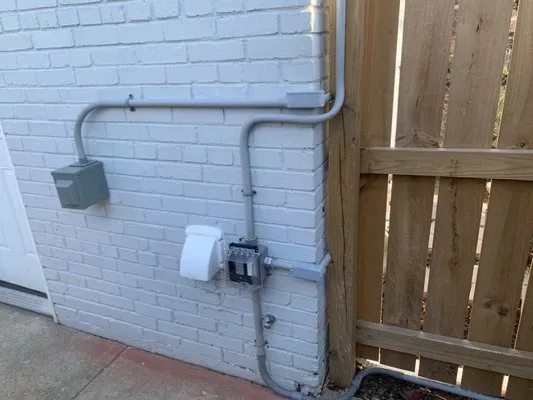
Handyman Services BGM
Handyman Services BGM began with a simple goal: to expand our skills and knowledge independently, building on the invaluable experience gained from years with Snowden Enterprises. We started with smal...
Founded in 2002, McMurrays Heating & AC brings over two decades of dedicated HVAC service to the Washington D.C. metro area, including Maryland and Virginia. After eight years with a larger local comp...
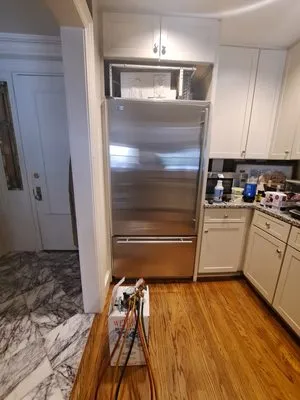
Quality DC Appliance Repair
Quality DC Appliance Repair is a locally owned business with over 15 years of experience serving the Washington DC community. We specialize in comprehensive appliance repair and HVAC services, working...
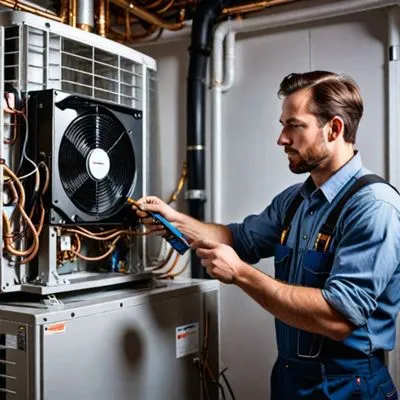
DC Appliance Repair Service
DC Appliance Repair Service is a family-owned, licensed business serving Washington DC and surrounding communities. Starting as an HVAC contractor, we expanded to provide comprehensive appliance repai...
Capitol Hill HVAC is a Washington, DC-based company founded by a dedicated local professional committed to building a lasting career in the HVAC industry. Our mission is straightforward: to provide re...
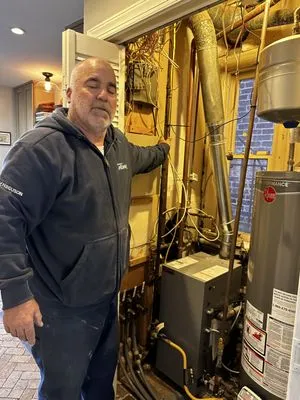
Allied Service Company
Allied Service Company is a trusted, family-operated HVAC and plumbing provider deeply rooted in the Washington DC community. Our story began in 1903 in Georgetown as a sheet metal shop and has grown ...
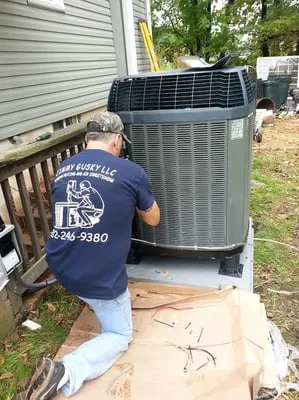
Jimmy Gusky Heating & Air
Jimmy Gusky Heating & Air is a family-owned and operated HVAC and plumbing contractor serving Washington, DC, and surrounding areas since 1990. With over 30 years of industry experience, our knowledge...
Magnolia Plumbing Heating & Cooling
For over 70 years, Magnolia Plumbing Heating & Cooling has been a trusted family-owned business in Washington, DC, and the surrounding region. Founded by J.J. Magnolia in 1950, we remain committed to ...
Hollindale Air & Heating, founded in 2008 and led by certified HVAC specialist Barbara Thompson, has become Washington DC's trusted heating and cooling service provider. With over 15 years of experien...
Fry Plumbing, Heating And Air Conditioning
Fry Plumbing, Heating and Air Conditioning has been serving the Washington, DC community since 1948, making it the oldest locally based plumbing, heating, and air conditioning company in the area. As ...
Common Questions
What if my AC stops working during a Capitol Hill heatwave?
For emergency no-cool situations near the United States Capitol, technicians can typically reach Capitol Hill homes within 15-25 minutes via I-395. This response time accounts for DC's urban density and allows for rapid diagnosis of common failures like capacitor burnout or refrigerant leaks. Immediate troubleshooting should include checking the circuit breaker and ensuring the outdoor unit isn't blocked by debris. Quick response prevents secondary damage to compressors operating in DC's 92°F design conditions.
Why do so many Washington DC homes have HVAC issues?
The average home in DC was built around 1948, making many HVAC systems approximately 78 years old. This age means original galvanized sheet metal ductwork often develops leaks at seams and joints, reducing airflow efficiency by 15-30%. Older systems also accumulate mineral deposits from decades of humid operation, creating ideal conditions for algae growth in condensate drain lines. Regular maintenance becomes critical for these aging systems to prevent unexpected failures during peak cooling seasons.
How do the new SEER2 standards affect my energy bills?
The 2026 minimum SEER2 requirement of 14.3 represents a 15% efficiency improvement over previous standards. At DC's current rate of $0.145/kWh, upgrading from a 10 SEER system to a 16 SEER2 unit could save approximately $450 annually on cooling costs. The Inflation Reduction Act's $8,000 heat pump rebate makes these upgrades economically viable, with payback periods often under 5 years. Proper sizing through Manual J calculations ensures these efficiency gains translate to actual utility savings.
What does an Ecobee E144 error mean for my DC system?
The Ecobee E144 alert specifically indicates a condensate overflow switch has been triggered, a common issue in DC's humid environment. This typically signals algae growth has blocked the primary drain line, causing water backup in the secondary pan. Immediate attention prevents water damage to ceilings and equipment. Regular quarterly cleaning with vinegar solution prevents recurrence, especially during high-humidity months. This proactive maintenance aligns with DC's climate where condensate management is critical for system longevity.
Can better filters help with DC's ozone and pollen problems?
DC's April pollen peak and summer ozone risk make MERV-13 filtration valuable for reducing respiratory irritants. However, older galvanized sheet metal ductwork often creates static pressure issues when paired with high-efficiency filters. A professional should measure static pressure before upgrading filtration; typical systems can handle MERV-13 if duct sizing is adequate and return air pathways are sufficient. Balanced ventilation with proper filtration reduces indoor ozone formation while capturing pollen particles effectively.
Should I switch from gas heat to a heat pump in DC?
Modern cold-climate heat pumps effectively heat DC homes down to 5°F, covering most winter conditions. The $8,000 IRA rebate significantly reduces installation costs, while Pepco's $40 annual Energy Wise credit provides ongoing savings. During utility peak hours (14:00-19:00), heat pumps operate most efficiently compared to resistance heating. A dual-fuel system maintaining gas backup below 20°F offers optimal balance between efficiency and reliability for DC's transitional seasons.
What permits and safety standards apply to new AC installations?
All HVAC installations in Washington DC require permits from the DC Department of Buildings Mechanical Permit Division. The 2026 standards mandate specific safety protocols for R-454B and other A2L refrigerants, including leak detection systems and ventilation requirements in equipment rooms. Technicians must hold EPA Section 608 certification with specific endorsements for flammable refrigerants. Proper documentation of refrigerant charge and safety system testing is required for final inspection approval in DC jurisdiction.
How does DC's summer heat affect AC performance?
Washington DC's design temperature of 92°F represents the 1% extreme condition systems must handle, though actual temperatures occasionally reach higher. Modern R-454B refrigerant systems maintain efficiency up to approximately 115°F ambient temperature, providing adequate capacity for most DC heatwaves. Properly sized 2.5-3.0 ton systems should maintain a 15-20°F delta T even during peak conditions. Oversizing beyond this range leads to short cycling and reduced humidity control in DC's humid climate.
