
Top Emergency HVAC Services in Butler Beach, FL, 32080 | Compare & Call

There are 235 hvac companies server in Butler Beach FL
Duck Duck Rooter Plumbing, Septic & Air Conditioning
Duck Duck Rooter is a trusted, licensed provider of plumbing, septic, and HVAC services for Jacksonville and Northeast Florida. We understand that home system issues, from a clogged drain to a failing...
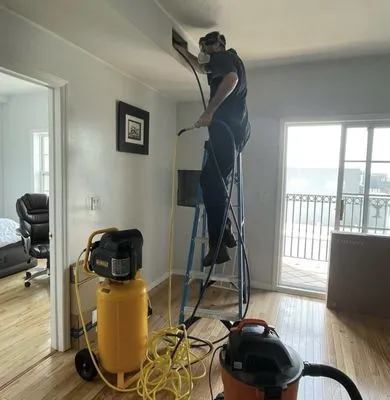
Air Duct Experts Florida
Air Duct Experts Florida is a trusted Jacksonville-based HVAC and indoor air quality specialist. Serving homes and businesses throughout the area, we focus on practical solutions for common local issu...
McGowan's Heating & Air Conditioning
Founded in 1974, McGowan's Heating & Air Conditioning is a family-owned and operated Jacksonville institution, now serving its second generation. Led by President and Navy veteran Tom McGowan, the com...
Elite AC is a trusted, family-owned heating and air conditioning company proudly serving Jacksonville and the surrounding communities. With a legacy spanning over 60 years, we've built our reputation ...

For over sixty years, Sears Home Services has been a trusted name for appliance and HVAC repair in Jacksonville. Our local technicians are trained to service all major brands, including Kenmore, GE, a...
Charlie’s Tropic Heating and Air
Since 1998, Charlie’s Tropic Heating and Air has been the trusted local name for Atlantic Beach families needing reliable comfort solutions. Founded by Charlie Marks, a journeyman with deep roots in D...
Atlantic Mechanical AC
Atlantic Mechanical AC is a trusted heating and air conditioning (HVAC) company serving St Augustine, FL, and the surrounding communities. We specialize in diagnosing and resolving common local HVAC i...

David Gray Electrical Plumbing Heating & Air
David Gray Electrical Plumbing Heating & Air has been a trusted name in Jacksonville since 1980, when founder David Gray started the business from his Plymouth Duster. Today, this family-operated comp...
Reliable Ducts Heating & Cooling
Reliable Ducts Heating & Cooling is a family-owned and operated HVAC company serving all of North Florida, with deep roots in Jacksonville where its owners have been residents for over 50 years. With ...
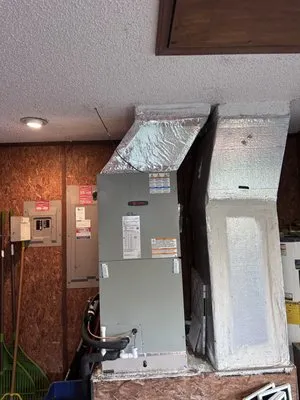
Florida Air Flow Heating & Air
At Florida Air Flow Heating & Air, our story is rooted in Jacksonville's community. Founded by Aldi Gjeka, who immigrated to the U.S. from Albania as a child, our family-owned business is built on the...
Estimated HVAC Service Costs in Butler Beach, FL
Common Questions
My Ecobee thermostat shows an 'E1' alert. What does that mean?
An Ecobee E1 error code indicates the thermostat has lost communication with the outdoor heat pump or AC unit. In Butler Beach's environment, this is often a precursor to a failure caused by salt air corrosion on electrical connections or control board components at the condenser. It signals that the system is not responding to calls for cooling or heating, and a professional diagnostic is needed to inspect the outdoor unit's wiring and controls.
Why does my AC struggle on the hottest afternoons?
Air conditioners are sized for a specific design temperature, which for Butler Beach is 91°F. On days that exceed this, the system must run continuously to approach the indoor setpoint, and it may not fully satisfy the thermostat. The newer R-454B refrigerant standard for 2026 offers improved performance and capacity retention in these high ambient temperatures compared to older refrigerants, helping to close that performance gap.
My AC unit is the same age as my house. Should I be concerned?
The average home in Butler Beach was built around 1988, making the original HVAC system approximately 38 years old. This is far beyond the typical 15-year service life for coastal systems. Units of this age are highly susceptible to salt air induced coil corrosion, which is a primary failure point. Corrosion from the ocean breeze can create refrigerant leaks and significantly reduce cooling capacity, leading to higher energy bills and frequent repairs.
What happens if my air conditioner stops working on a hot day?
A no-cool call during our humid summers requires prompt attention. From our dispatch point near Butler Beach County Park, we can travel directly up A1A to reach most homes in the neighborhood within 15-20 minutes. Our first action is to check for common, resolvable issues like a tripped breaker or a clogged condensate drain before diagnosing more complex refrigerant or electrical problems.
Is it worth replacing my old AC unit for better efficiency?
The 2026 federal minimum efficiency standard is 15.0 SEER2, a significant jump from older units. With local utility rates at 0.14/kWh, a modern system can reduce your cooling costs substantially. The active Inflation Reduction Act rebates, with an $8,000 cap, directly offset the cost of qualifying high-efficiency equipment, improving the return on investment and lowering your overall energy consumption.
Should I consider a heat pump with my electric heat?
For homes using electric resistance heat, a heat pump is a logical upgrade. Even with our mild winter lows, a heat pump provides heat at about one-third the cost of standard electric strips. Programming the thermostat to minimize use during FPL's peak hours of 1-6 PM can further manage costs. The switch offers year-round climate control from a single, efficient system with significant utility and federal rebate support.
Can better air filters help with our seasonal ozone and pollen?
Elevated ozone risk and the March pollen peak make advanced filtration valuable. While a MERV-13 filter effectively captures fine particulates, installing one in a system with flexible fiberglass duct board requires caution. This older ductwork often has higher internal resistance, and a high-MERV filter can create excessive static pressure, reducing airflow and straining the blower motor. A static pressure test is recommended before upgrading filters.
Are there new rules for installing a modern AC system?
All installations must be permitted through St. Johns County Building Services. As of 2026, systems using the standard R-454B or R-32 refrigerant are classified as mildly flammable A2L refrigerants. This mandates updated safety standards, including required leak detectors, specific circuit breaker requirements, and revised clearance labels. Proper certification and adherence to these codes are legally required for system safety and warranty validation.
