
Top Emergency HVAC Services in Cocoa, FL, 32922 | Compare & Call

Freedom Air and Plumbing
Freedom Air and Plumbing has been a trusted name in Cocoa and across Brevard County for over three decades. Founded by a 31-year industry veteran, our company is built on a foundation of reliable cust...
For over 20 years, EnergyWize Air Conditioning & Refrigeration has been the trusted HVAC partner for residents and businesses throughout Brevard County. Based in Cocoa, FL, our locally owned and opera...
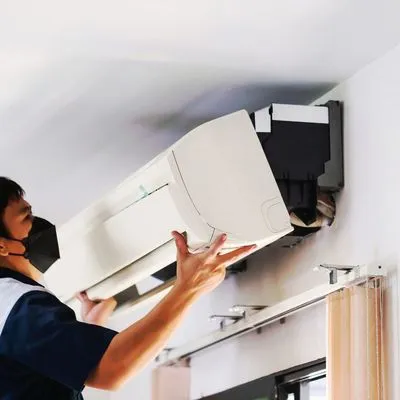
Atlantic Air Inc. has been the trusted local HVAC provider for homeowners in Cocoa and across Brevard County for over 55 years. As an authorized Carrier dealer, they offer reliable residential heating...
Cool Guyz A/c & Heat Inc
Cool Guyz A/C & Heat, Inc. is a family-owned HVAC service provider proudly serving Cocoa and the entire Brevard County Space Coast since 2002. Founded by lifelong friends and licensed contractors Jim ...
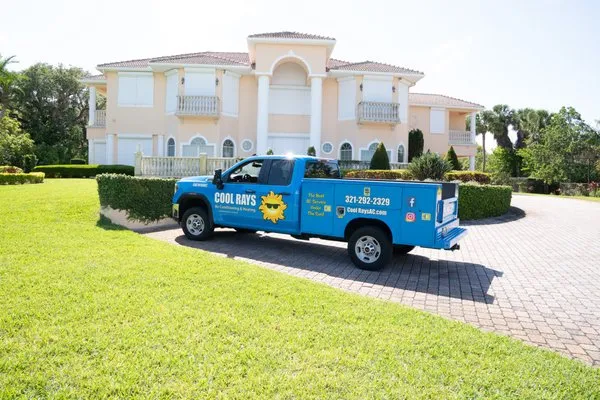
Cool Rays Air Conditioning and Heating
Cool Rays Air Conditioning and Heating is a family-owned and operated HVAC company proudly serving Brevard County, including Cocoa, Merritt Island, Cocoa Beach, and Melbourne. Specializing in air cond...
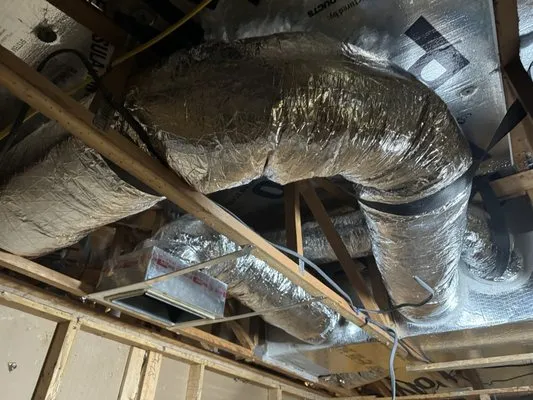
Blue Marlin Air & Heat is a trusted HVAC provider serving Cocoa and the surrounding Brevard County area for over a decade. We specialize in the installation, repair, and maintenance of both convention...
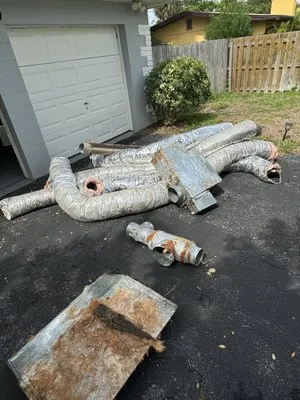
As a disabled veteran, dad, and grandfather who loves traveling abroad and scuba diving, I bring a unique perspective to my role as sales and marketing manager at All Brevard Air & Heat. Our family-ow...

The Mini Split Depot, based in Cocoa, Florida, provides specialized HVAC and appliance services focused on ductless mini-split systems. We offer sales, installation, repair, and maintenance for a rang...
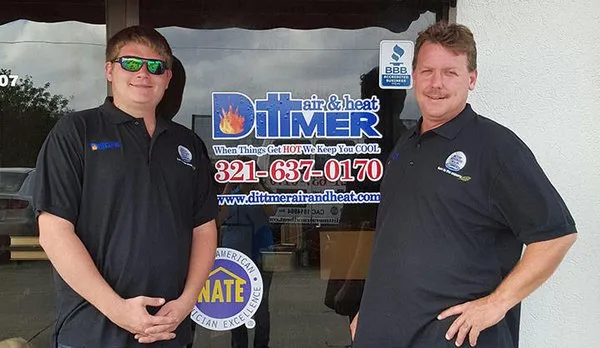
Dittmer Air and Heat is a Cocoa-based HVAC company founded in 2010 by Darin Dittmer, a Brevard County native with over 25 years of industry experience. As a second-generation HVAC expert who previousl...

Founded in 1986 in Titusville, Air Care Systems has been a trusted family-owned HVAC provider for Brevard County for over three decades. Current owner Joey Powers, a licensed and certified expert who ...
Questions and Answers
Should I switch from my electric furnace to a heat pump in Cocoa's mild winter?
Given Cocoa's mild winter lows and your existing electric heat, a modern heat pump is an efficient year-round solution. It provides highly efficient cooling and can handle heating needs down to freezing temperatures. To maximize savings, pair it with a smart thermostat to avoid operation during FPL's peak rate hours from 1 PM to 6 PM. The switch qualifies for federal rebates and significantly reduces annual energy consumption.
What are the permit and safety rules for a new AC installation in 2026?
All replacements require a permit from the City of Cocoa Building Department. Since January 2023, new systems must use lower-GWP A2L refrigerants like R-454B, which are mildly flammable. This mandates compliance with updated 2026 safety standards: specialized leak detectors, revised clearance placards, and specific technician certifications. Proper permitting ensures the installation meets these updated codes for safe operation in your home.
Is the new 15.2 SEER2 efficiency standard worth the upgrade cost?
The 2026 federal 15.2 SEER2 minimum creates a significant efficiency jump from older units. At Cocoa's average electric rate of $0.14 per kWh, the operational savings are substantial. The active Inflation Reduction Act HEEHRA rebates, with caps up to $8,000, can directly offset the higher upfront cost of a qualifying high-SEER2 system, making the upgrade a sound financial decision with a faster payback period.
My Ecobee thermostat is showing an E1 error code—what does that mean?
An Ecobee E1 alert indicates the thermostat is not detecting power from the HVAC system's control circuit. In Cocoa's humid environment, this often points to a safety switch tripping due to a clogged condensate drain line, a failed capacitor, or corrosion in the outdoor unit's electrical connections. It's a diagnostic signal prompting a professional check to prevent a complete system shutdown during high cooling demand.
How old is my air conditioning system likely to be here in Cocoa?
The average home in Downtown Cocoa was built in 1975, meaning many HVAC systems are now over 20 years old. Age is the primary driver of failure, particularly for outdoor condenser coils. The salty air from the nearby Indian River and Atlantic breezes aggressively accelerates corrosion on the aluminum fins, a common failure point that often leads to refrigerant leaks and complete system failure in units of this vintage.
Why does my AC struggle on the hottest afternoons when it's above 91 degrees?
Local HVAC systems are engineered to a 91°F design temperature, based on historical climate data. On days when temperatures exceed this—a frequent occurrence—the system operates at maximum capacity and cannot maintain the typical 20-degree delta T. The newer R-454B refrigerant standard for 2026 offers slightly better high-temperature performance and lower global warming potential than older refrigerants, but no system can overcome a design limit indefinitely during a heat dome event.
My AC stopped on a hot day—how fast can a technician get to me in Downtown Cocoa?
A local service provider based near Cocoa Village can typically dispatch a truck within 5-10 minutes. Using SR-520, a technician can reach most homes in the historic district quickly, even during peak traffic. This rapid response is critical to prevent humidity and heat from damaging interiors or stored medications when a system fails unexpectedly.
Can my home's existing ductwork handle better air filters for ozone and pollen?
Many Cocoa homes from the 1970s have original fiberboard ductwork, which presents a challenge. While upgrading to a MERV-13 filter is excellent for capturing March pollen peaks and mitigating seasonal ozone risk, these restrictive filters can create excessive static pressure in older, undersized ducts. A technician must perform a static pressure test before installation; often, the duct system itself requires sealing or modification to handle advanced filtration safely.
