
Top Emergency HVAC Services in Fleming Island, FL, 32003 | Compare & Call

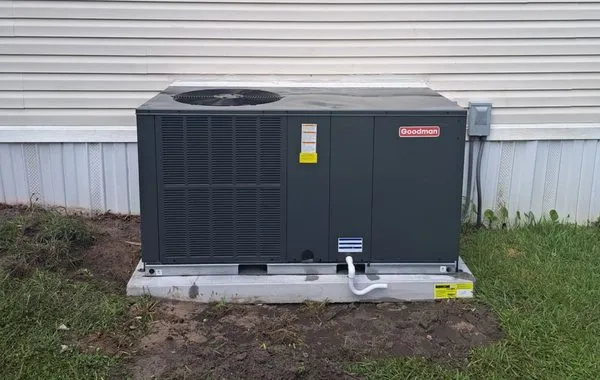
Holland AC & Heating Services
Holland AC & Heating Services is a licensed HVAC provider serving Fleming Island, FL, with a focus on residential heating, cooling, and ventilation needs. We specialize in HVAC installation, replaceme...
Big Chill Air Conditioning
Big Chill Air Conditioning is your trusted local HVAC expert serving Fleming Island, Florida. We specialize in addressing the unique climate challenges homeowners face, including the corrosive salt ai...

Sassaman Services
Sassaman Services is your trusted local expert for plumbing, irrigation, and HVAC needs in Fleming Island, FL. We specialize in irrigation construction, design, and repair, along with thorough plumbin...
AIRJAX HEATING & COOLING is your trusted local HVAC expert serving Fleming Island, FL. We specialize in installation, repair, and maintenance of heating and cooling systems to keep your home comfortab...
Air 10 is your local, licensed HVAC partner in Fleming Island, committed to delivering the service you expect from start to finish. With over three decades of industry experience, we provide comprehen...

American Commercial Services
American Commercial Services is a Fleming Island-based building repair company founded on the principle of fair and honest service. After decades in the industry, the owner saw too many customers and ...
Fleming Island Home Services
Fleming Island Home Services is your trusted local expert for roofing, plumbing, and HVAC needs in Fleming Island, FL. We specialize in addressing the unique challenges faced by homeowners in our humi...
Question Answers
Should I switch from electric heat to a heat pump in Fleming Island given our mild winters?
Switching from electric resistance heat to a heat pump in Fleming Island is highly advantageous. With winter lows rarely dipping below freezing, modern heat pumps operate efficiently year-round, providing both heating and cooling. During utility peak hours (13:00-19:00), a heat pump's coefficient of performance (COP) often exceeds 3.0, meaning it delivers three units of heat for every unit of electricity used—far more efficient than electric strip heat. This reduces strain on the grid and lowers bills, especially when paired with a smart thermostat to avoid peak pricing.
What permits and safety standards apply to a new R-454B HVAC installation in Fleming Island?
All HVAC installations in Fleming Island require a permit from the Clay County Building Department, ensuring compliance with 2026 Florida Building Code and EPA Section 608 regulations. For R-454B refrigerant—an A2L classified as mildly flammable—specific safety standards apply: technicians must be EPA-certified for A2L handling, install leak detection systems in equipment rooms, and follow manufacturer clearance requirements. These protocols mitigate flammability risks, and failure to adhere can void warranties or incur fines. Always verify your contractor pulls the proper permits and follows current A2L guidelines.
Why do so many HVAC systems in Fleming Island fail around the 25-year mark?
The average home in Fleming Island was built around 2001, making many original HVAC units approximately 25 years old in 2026. This age aligns with the typical lifespan of residential equipment, where components like compressors and capacitors degrade. In coastal areas like Eagle Harbor, salt-air induced condenser coil corrosion accelerates this failure. The salty atmosphere from nearby waterways attacks the aluminum fins, reducing heat transfer efficiency and leading to refrigerant leaks or complete system breakdowns.
My Ecobee thermostat shows an E1 alert—what does this mean for my HVAC system in Fleming Island?
An Ecobee E1 alert indicates a communication error between the thermostat and HVAC equipment, often due to wiring issues or power interruptions. In Fleming Island's humid climate, this can stem from corroded connections in the control board or a failing transformer. The alert helps prevent system damage by shutting down operation before components overheat. A technician will typically check low-voltage wiring integrity and test for proper 24V power supply, common fixes that resolve most E1 codes without major repairs.
Can my home's ductwork handle a MERV-13 filter for ozone and pollen in Fleming Island?
Flexible R-6 insulated ductwork, common in Fleming Island homes, may struggle with MERV-13 filters without a static pressure check. These high-efficiency filters restrict airflow significantly, which can overload blower motors and reduce system performance. Given the area's ozone risk and April pollen peak, a balanced approach is recommended: use MERV-11 filters for daily operation and consider adding a standalone air purifier for peak seasons. An HVAC professional can measure static pressure to ensure your duct system can accommodate upgrades without causing freeze-ups or short-cycling.
How well do modern AC systems handle Fleming Island's summer heat above 93°F?
Fleming Island's design temperature is 93°F, but summer highs often exceed this, creating a performance gap. Modern systems using R-454B refrigerant maintain better efficiency in these conditions due to its lower global warming potential and stable thermodynamic properties. Unlike older refrigerants, R-454B has a higher critical temperature, allowing it to reject heat effectively even when outdoor temperatures climb. Proper sizing via a Manual J load calculation ensures the system can handle these peaks without excessive energy use or premature failure.
My AC stopped working during a heatwave in Eagle Harbor—how fast can a technician arrive?
A technician can typically reach Eagle Harbor within 10-15 minutes from central Fleming Island. Using US-17 as the main artery, they can quickly access neighborhoods near landmarks like the Fleming Island Library. This rapid response is standard for emergency no-cool calls, allowing diagnosis of issues like refrigerant loss or electrical failures before indoor temperatures become unsafe. Prompt service helps prevent secondary damage to the system from overheating components.
What does the new SEER2 14.3 minimum mean for my electricity bills in Fleming Island?
The SEER2 14.3 mandate effective in 2026 requires all new HVAC installations to meet higher efficiency standards than previous SEER ratings. For Fleming Island homes with an average 3.5-ton system, this translates to approximately 15-20% lower energy consumption compared to older units. At the local utility rate of $0.13/kWh, this can save hundreds annually. Combined with the Inflation Reduction Act rebate (active with an $8k cap), the upfront cost difference for a SEER2-compliant system often pays back within a few years through reduced JEA bills.
