
Top Emergency HVAC Services in Holiday, FL, 34690 | Compare & Call

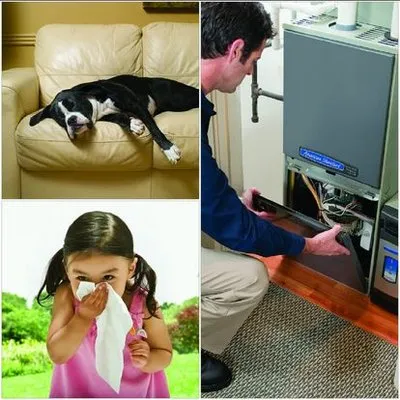
Hudson Air is a local, family-owned HVAC company serving Holiday, FL, and the wider Tampa Bay area since 1976. Founded by Larry and Brian Hudson, the company is now in its third generation of serving ...

R.M. Mechanical Air Conditioning Services is a licensed and insured HVAC provider with over 22 years of experience serving residential and commercial clients in Holiday, FL, and the broader Tampa Bay ...
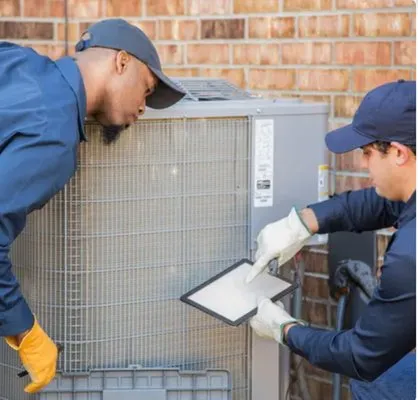
Ordine's Air Conditioning and Heating
For over 30 years and three generations, Ordine’s Air Conditioning and Heating has been a trusted name in the Holiday community. Founded on a family mechanic’s passion, we bring a value-centered appro...
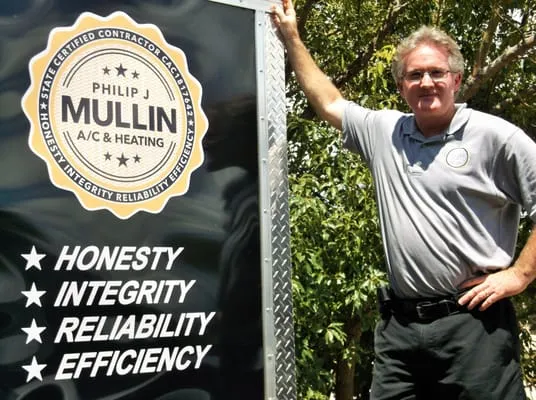
Philip J Mullin Air Conditioning & Heating, LLC
Philip J. Mullin Air Conditioning & Heating, LLC is a family-owned HVAC provider serving Holiday, West Pasco, and Northern Pinellas. Founded in 2013 by licensed contractor Philip Mullin, the company i...

Hot 2 Cold Air Conditioning is led by Wayne Giese, a seasoned professional with over a decade of experience in residential and commercial HVAC and refrigeration. The company is rooted in a simple phil...
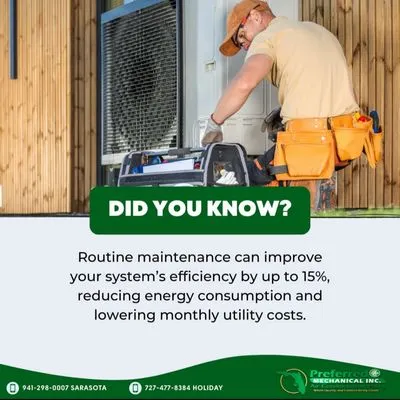
Preferred Mechanical Air Conditioning
Preferred Mechanical is a locally owned and licensed HVAC, air duct cleaning, and plumbing company serving Holiday and the surrounding Tampa Bay communities in Pinellas, Pasco, and Hernando Counties. ...
Little Penguin Air is your trusted, locally owned HVAC specialist in Holiday, FL, with over two decades of hands-on experience. We pride ourselves on providing fair, honest, and reliable heating and a...
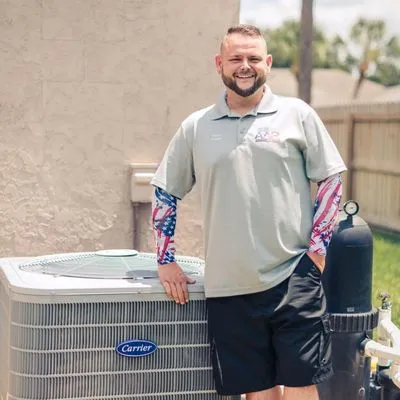
American Air Repair was founded by a Detroit native with over a decade of hands-on HVAC experience. After seeing how large companies often overcharge customers, the owner made it his mission to build ...
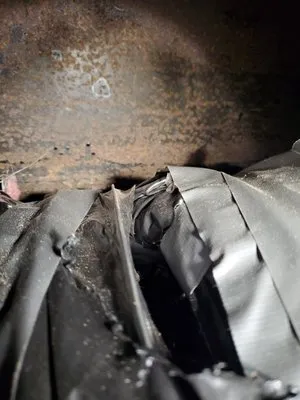
Merry Air is a family-owned HVAC company serving Holiday, FL, with over 25 years of combined industry experience. Founded by a local technician who was inspired to enter the field after a family membe...
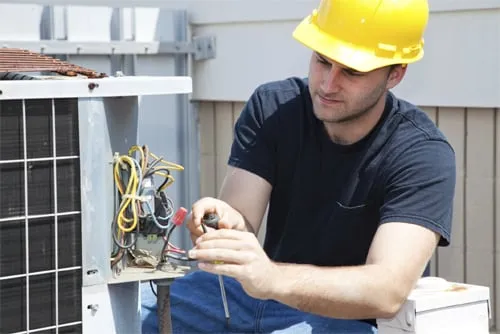
Professional Air Conditioning Specialists has been serving the Holiday, FL community and greater Tampa Bay area since 2009. As a full-service HVAC company, we provide reliable heating and air conditio...
Frequently Asked Questions
Can my home's ductwork handle better air filtration?
Flex duct with R-6 insulation presents static pressure challenges when upgrading filtration. While MERV-13 filters effectively capture March pollen peaks and mitigate ozone risk, they increase airflow resistance by 0.3-0.5 inches WC. Your existing duct system requires professional assessment to determine if it can maintain proper airflow with higher-MERV filters without causing compressor damage or reduced cooling capacity.
What happens if my AC stops cooling during a Holiday heatwave?
A no-cool emergency in Holiday Lake Estates gets priority dispatch. Technicians route from Anclote Gulf Park via US-19, maintaining a 12-18 minute response window even during peak traffic. This rapid response prevents indoor temperatures from climbing dangerously above outdoor levels. Quick diagnosis often reveals issues like capacitor failure or refrigerant loss that can be addressed on-site.
What permits and standards apply to new AC installations?
All HVAC installations in Holiday require permits from Pasco County Building Construction Services. The 2026 standards mandate specific safety protocols for R-454B refrigerant, classified as an A2L mildly flammable refrigerant. These include leak detection systems, service access clearances, and proper ventilation in mechanical rooms. Technicians must hold EPA Section 608 certification with specific A2L endorsements to legally handle these newer refrigerants.
Should I switch from electric heat to a heat pump in Holiday?
Holiday's mild winter lows make heat pumps exceptionally efficient compared to traditional electric resistance heating. During utility peak hours from 12:00-18:00, heat pumps provide 2-3 times more heat per kilowatt-hour than resistance heaters. Modern cold-climate heat pumps maintain efficiency down to 5°F, eliminating the need for backup heat in most Holiday winters while reducing annual heating costs by 40-60%.
How do 2026 efficiency standards affect my utility bills?
The 15.0 SEER2 minimum for 2026 represents a 15% efficiency gain over previous standards. At Holiday's 0.15/kWh rates, upgrading from a 10 SEER to 18 SEER2 system saves approximately $450 annually on cooling. The Inflation Reduction Act provides up to $8,000 in rebates for qualifying high-efficiency installations. This combination reduces payback periods to 3-5 years for most Holiday homeowners.
Why do older AC systems in Holiday fail more often?
The average home in Holiday was built around 1975, making many HVAC systems approximately 51 years old. This age exceeds the typical 15-20 year lifespan of residential equipment. Older systems in coastal areas like Holiday Lake Estates are particularly vulnerable to salt-air induced condenser coil corrosion. The salty Gulf air accelerates metal degradation, leading to refrigerant leaks and compressor failures that younger inland systems might avoid.
What does an Ecobee E160 alert mean for my Holiday AC?
The Ecobee E160 code specifically indicates refrigerant pressure outside normal operating parameters. In Holiday's climate, this often signals early-stage condenser coil corrosion from salt air, causing gradual refrigerant loss. The smart thermostat detects subtle efficiency drops before complete failure occurs. Addressing E160 alerts promptly can prevent compressor damage and maintain the 15.0 SEER2 efficiency your system was designed to deliver.
How does Holiday's heat affect AC performance?
Holiday's summer highs regularly exceed the 92°F design temperature that HVAC systems are engineered to handle. When outdoor temperatures climb above this threshold, systems must work harder to maintain indoor comfort, reducing efficiency and capacity. The R-454B refrigerant standard for 2026 maintains better pressure-temperature relationships in extreme heat compared to older refrigerants, though capacity still drops approximately 1% per degree above design temp.
