
Top Emergency HVAC Services in Lake Worth, FL, 33454 | Compare & Call

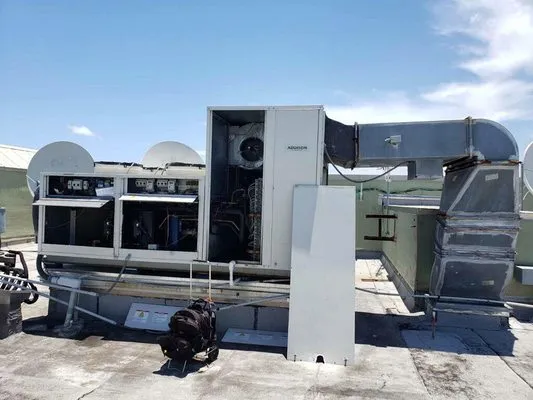
Bell Air Heating & Cooling is a Lake Worth-based, Veteran-owned HVAC company founded by Thomas Bell in 2019. Thomas brings over two decades of expertise to the community, beginning with formal trainin...

Good Pant HVAC & AC repair is your trusted local expert for heating and cooling services in Lake Worth, FL. We understand the specific challenges homeowners face with their HVAC systems, from sudden e...
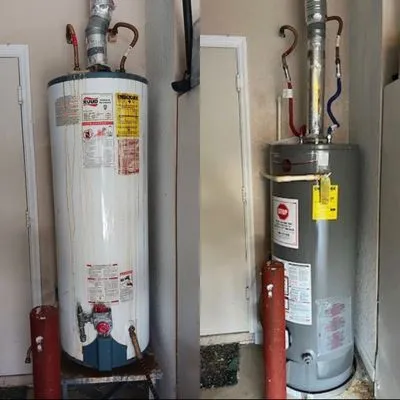
Hi, I’m Jerome, the lead technician at Royal Air Heating, Cooling and Plumbing LLC in Lake Worth. Thank you for considering us for your home service needs. We are a local, owner-operated business dedi...
Royal Air Heating and Cooling is a trusted HVAC provider for Lake Worth, Florida. We specialize in expert installation, dependable repairs, and thorough maintenance for all types of heating and coolin...
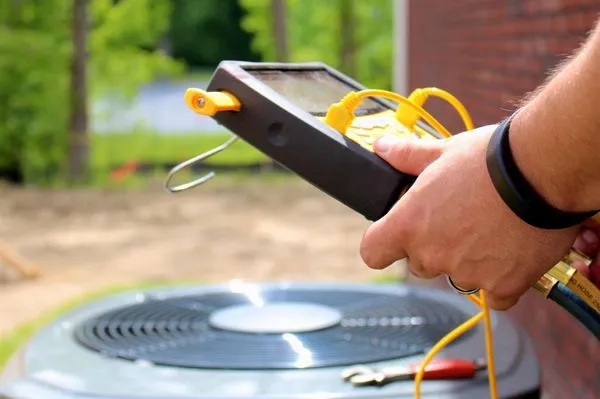
Dick Smith Air Conditioning & Refrigeration
Founded in 1977 by Richard "Dick" McDonald Smith, Dick Smith Air Conditioning & Refrigeration has been a trusted fixture in Lake Worth and the wider West Palm Beach area for over four decades. This fa...
Tod's Air Conditioning is a trusted HVAC company serving the Lake Worth, FL community. We specialize in addressing the common local climate challenges that homeowners face, such as heat pump reversing...
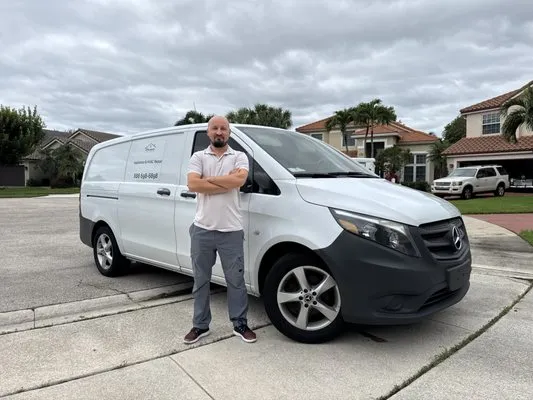
Appliance Smart Service provides reliable appliance and HVAC solutions for Lake Worth households. Our team is equipped to handle repairs on a wide range of kitchen and laundry appliances, from refrige...
Moonlighters Air Conditioning is a trusted local HVAC provider serving Lake Worth and the surrounding Palm Beach and Martin County areas. We operate on a simple principle: what goes around, comes arou...
General Plumbing and Air Conditioning
General Plumbing and Air Conditioning is a family-operated service based in Lake Worth, FL, with deep roots in Palm Beach County. Founded on decades of experience, the business began when Daniel start...

AM-PM Air Conditioning INC is a licensed, local HVAC provider serving Lake Worth and the surrounding area. We specialize in residential and commercial air conditioning and heating services, including ...
Frequently Asked Questions
Why does my air conditioner struggle on the hottest Lake Worth days?
Lake Worth's summer highs frequently exceed the 91°F design temperature used for Manual J load calculations. When outdoor temperatures reach 95-100°F, systems operate beyond their designed capacity, reducing cooling output and efficiency. The newer R-454B refrigerant performs better in these conditions than older R-410A, maintaining higher pressure ratios and capacity retention. Proper sizing considers both design temperature and the frequency of exceedance days, with slightly oversized systems sometimes recommended for homes with poor insulation or significant west-facing exposure.
How do the new SEER2 standards affect my cooling costs?
The 2026 minimum SEER2 requirement of 15.0 represents about a 7% efficiency improvement over previous standards. At Lake Worth's current 14 cents per kWh rate, upgrading from a 10 SEER system to a 16 SEER2 unit could save approximately $300 annually on cooling costs. The Inflation Reduction Act's HEEHRA rebate provides up to $8,000 for qualifying high-efficiency installations, making the payback period significantly shorter. These combined savings help offset Florida's extended cooling season where systems run nearly year-round.
Why do older HVAC systems in Lake Worth fail so frequently?
Lake Worth homes built around 1967 now have HVAC systems approaching 60 years old, well beyond their 15-20 year design life. This advanced age accelerates failure rates, particularly with evaporator coil corrosion from salt-air exposure near the Lake Worth Casino Building and Beach Complex. The combination of high humidity and airborne salt particles creates an electrochemical reaction that degrades aluminum coils faster than inland systems. Regular maintenance can slow this process, but replacement becomes inevitable as components reach their fatigue limits.
Should I switch from electric heat to a heat pump in Lake Worth?
Heat pumps offer significant advantages for Lake Worth's mild winters where temperatures rarely drop below 40°F. Modern cold-climate heat pumps maintain efficiency down to 5°F, far below our winter lows. The 12:00-21:00 utility peak hours make heat pump operation particularly economical during off-peak morning hours. With electric resistance heat as your primary fuel, switching to a heat pump could reduce heating costs by 50-70% while providing year-round comfort from a single system. The HEEHRA rebate applies to qualifying heat pump installations as well.
What does an Ecobee E1 alert mean for my Lake Worth HVAC system?
An Ecobee E1 alert indicates your thermostat has lost communication with the HVAC equipment, often due to power interruption or control board issues. In Lake Worth's humid climate, this frequently correlates with safety lockouts from high-pressure switches during extreme heat or condenser airflow restrictions. The alert helps identify problems before complete system failure occurs. Checking condenser coil cleanliness, refrigerant charge, and electrical connections typically resolves these communication issues while preventing more serious compressor damage from repeated lockouts.
What permits and safety standards apply to new HVAC installations?
All HVAC replacements in Lake Worth Beach require permits from the Building Official Division, with specific 2026 requirements for A2L refrigerants like R-454B. These mildly flammable refrigerants mandate leak detection systems, service access clearances, and proper equipment labeling that differ from previous standards. Installations must follow ASHRAE 15 safety standards for refrigerant concentration limits and UL 60335-2-40 for equipment safety. Proper documentation of refrigerant charge and system testing is required for both permit approval and HEEHRA rebate qualification.
Can my existing ductwork handle better air filtration for pollen and ozone?
Duct board and flexible ducting systems common in Lake Worth homes often struggle with MERV-13 filters due to increased static pressure. The March pollen peak combined with summer ozone risk creates a dual filtration challenge. Before upgrading filtration, a static pressure test should verify your system can handle the additional resistance without reducing airflow. Many older systems require duct modifications or ECM blower upgrades to properly circulate air through high-efficiency filters while maintaining proper delta T across the evaporator coil.
What should I do if my air conditioning stops working during a Downtown heatwave?
First check your thermostat settings and circuit breakers, then call for service if the issue persists. Our technicians based near I-95 can typically reach Downtown Lake Worth locations within 10-15 minutes, even during peak traffic around the casino area. We prioritize no-cool emergencies in summer months when indoor temperatures can quickly become unsafe. Having your system's model number and any error codes ready helps us dispatch with the correct parts and refrigerant for your specific equipment.
