
Top Emergency HVAC Services in Ormond Beach, FL, 32173 | Compare & Call

Attic Man
The Attic Man is a family-owned and operated insulation and HVAC specialist serving Ormond Beach and surrounding communities for over a decade. We focus on solving the specific comfort and efficiency ...
At Aair Flow in Ormond Beach, FL, we prioritize customer service above all else. We understand that your home's comfort and security are essential, especially when Florida's weather can cause major di...
Founded in 2013 by William, a California-trained technician with over 20 years of industry experience, Eco Air Systems is a family-owned HVAC contractor serving Ormond Beach and surrounding Volusia an...
Total Comfort
Since 1976, Total Comfort has been a trusted, state-licensed provider of comprehensive home services for Volusia and Flagler counties. Founded as a full-service heating and air conditioning company, w...
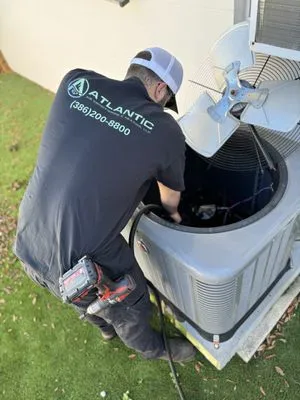
Atlantic Air Conditioning & Heating is a family-owned HVAC company serving Ormond Beach, FL, with four generations of experience in heating and cooling solutions. They specialize in installation, repa...
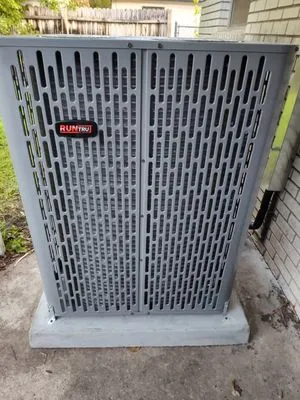
Founded by Arthur Smietanowski after a decade of hands-on experience, Lars Air LLC has been a trusted family-operated HVAC contractor in Ormond Beach since 2013. We're dedicated to building strong rel...
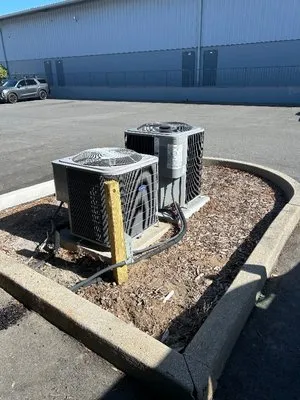
Cooling Mechanical Technicians is a locally owned HVAC company serving Ormond Beach, FL, with a commitment to fair pricing and reliable service. Founded by industry professionals with over a decade of...

Air One Heating and Cooling
Air One Heating and Cooling is a trusted HVAC provider serving Ormond Beach, Port Orange, Daytona, Palm Coast, and all of Central Florida. Our mission is to deliver quality air conditioning design, eq...

Ford Electric & Air Conditioning
Ford Electric & Air Conditioning is a trusted local provider in Ormond Beach, FL, specializing in both electrical and HVAC services. Many homes in our coastal community face HVAC challenges, especiall...
Don Crabb Services provides expert heating and air conditioning solutions for Ormond Beach homeowners. We specialize in HVAC installation, repair, and maintenance to combat the common local challenges...
Common Questions
With our ozone risk and April pollen peaks, should I upgrade to a MERV-13 filter for better air quality?
A MERV-13 filter is highly effective for capturing pollen and fine particulates, which is beneficial for our local air quality challenges. However, your existing flex duct system with mastic sealant must be evaluated first. Higher-MERV filters increase static pressure, which can overwhelm undersized ductwork and reduce airflow. A technician should perform a static pressure test to ensure your system can handle the upgrade without losing efficiency or causing the evaporator coil to freeze.
Are there new permit or safety rules for the R-454B refrigerant I'm hearing about?
Yes, installations using R-454B, an A2L mildly flammable refrigerant, are subject to updated 2026 safety standards under building codes and EPA regulations. This requires a permit from the City of Ormond Beach Building Division. The rules mandate specific leak detection systems, revised clearance distances from ignition sources, and special labeling. Only EPA Section 608 certified technicians with a Type III certification for A2Ls can legally handle the refrigerant, ensuring safe deployment in your home.
If my air conditioning fails on a hot day near the Ormond Memorial Art Museum, how quickly can a technician arrive?
For a no-cool emergency in your area, our dispatch from the I-95 corridor typically results in a 12 to 18 minute response window. We prioritize these calls, especially during peak cooling hours. A technician will contact you en route to begin initial troubleshooting. This rapid response is critical in Ormond Beach to prevent indoor humidity from spiking and damaging interior finishes.
My system in Ormond Beach Estates is original to my home. How much longer can I expect it to last?
An HVAC system from the average 1985 Ormond Beach home is now 41 years old, which is well beyond its expected service life. The primary failure risk for units this age in our coastal climate is salt-air induced evaporator coil corrosion. This environmental factor accelerates pinhole leaks in the aluminum coil fins, leading to refrigerant loss. While maintenance can extend life, a system of this vintage is operating on borrowed time and is a candidate for proactive replacement before a costly emergency failure.
I use expensive electric heat. Is switching to a heat pump a practical move for our mild Ormond Beach winters?
Yes, transitioning from standard electric resistance heat to a modern heat pump is one of the most cost-effective upgrades for an Ormond Beach home. Our winter lows rarely challenge a heat pump's capacity, and it provides heat at about one-third the cost of electric strip heat. To maximize savings, use a thermostat to avoid auxiliary heat strip use during Duke Energy's peak rate hours from 1 PM to 6 PM. The switch qualifies for federal rebates and reduces your annual heating costs significantly.
Why does my AC struggle when it's only 95°F outside? I thought it was built for Florida heat.
Residential systems are designed to a specific outdoor temperature, known as the design temp. For Ormond Beach, this is 91°F. When the actual temperature exceeds this—which happens regularly—the system must run continuously to attempt to meet the thermostat setpoint. This is a capacity, not a failure, issue. Modern systems using R-454B refrigerant maintain better efficiency and capacity at these higher temperatures than older R-410A units, but they still operate at a deficit above the design limit.
My Ecobee thermostat is showing an 'E1' alert. What does this mean for my system here?
An Ecobee E1 error indicates the thermostat is not detecting a signal from your HVAC equipment, often due to a loss of 24-volt power. In Ormond Beach, this commonly points to three issues: a tripped float switch from a clogged condensate drain line due to high humidity, a failed control board suffering from corrosion, or a safety lockout from repeated pressure switch faults. This alert allows for targeted troubleshooting before a complete system shutdown occurs.
I keep hearing about new SEER2 standards. What does the 15.2 SEER2 minimum mean for my electric bill?
The 15.2 SEER2 minimum effective in 2026 is a federal efficiency baseline that replaces older SEER ratings. For a typical 3-ton system in Ormond Beach, a modern 16-18 SEER2 unit can reduce annual cooling energy use by 15-25% compared to an aging system. At the local rate of $0.14 per kWh, this represents significant savings. Pairing a qualifying high-efficiency unit with the active Inflation Reduction Act rebates, which have an $8,000 cap, can dramatically offset the upgrade cost and improve your return on investment.
