
Top Emergency HVAC Services in Port Orange, FL, 32119 | Compare & Call


Mc Bride's Air Conditioning & Heating
Mc Bride's Air Conditioning & Heating is a trusted, locally-owned HVAC company serving Port Orange and the surrounding communities. Specializing in the unique climate challenges of Volusia County, the...
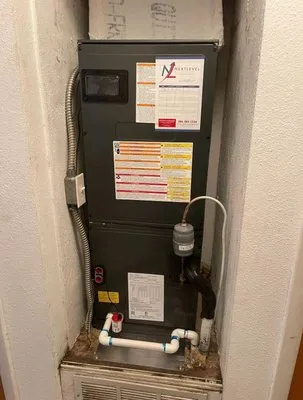
For over a decade, the family-owned and operated team at Next Level Mechanical has been dedicated to serving the heating and cooling needs of Port Orange. As a local business, we understand the specif...

Flair Air Conditioning has been a trusted, state-certified HVAC contractor in the Volusia and Flagler County area since 1967. Locally owned and managed, the company is built on a foundation of honesty...
Rossi's Heating & Air Conditioning
Rossi's Heating & Air Conditioning is a family-owned and operated HVAC company serving Port Orange, FL, and surrounding East Volusia and Flagler Counties since 2007. As a local business, we specialize...
Chuck's Ducts
Chuck's Ducts is a family-owned HVAC and air duct cleaning service based in Port Orange, FL, with over 20 years of experience serving Volusia and Flagler counties. Founded in 2001 after learning about...

Total Air Systems has been Port Orange's trusted HVAC partner for over 20 years, specializing in installation, repair, and maintenance for all heating and cooling systems. Our certified technicians se...
Port Orange Air Conditioning & Heating
Serving the Port Orange community since 1973, Port Orange Air Conditioning & Heating is a family-owned, locally operated HVAC contractor. We provide reliable heating and air conditioning installation,...
Prestige Mechanical Services
Prestige Mechanical Services is a family-owned and operated HVAC and appliance repair company serving Port Orange, FL. Founded in 2007 by Darryl, who started his HVAC career at age 17, the business br...
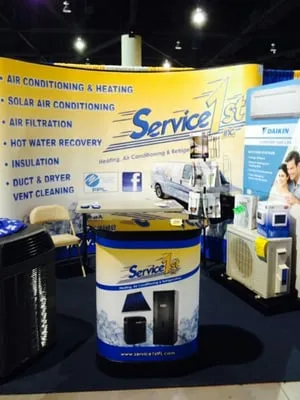
Service 1st Inc. was founded in Port Orange in 2008 by Charles Jones, a local resident dedicated to serving his community. As a family-owned and operated business, we focus on providing reliable heati...
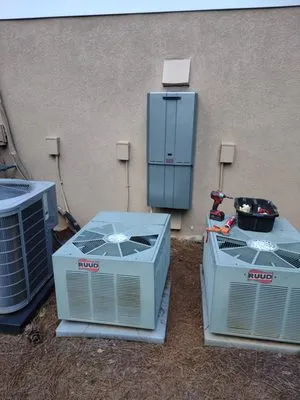
Fayette Mechanical Services
Fayette Mechanical Services is a trusted HVAC and water heater specialist serving Port Orange, FL. As a Rinnai Tankless Water Heater Dealer, we provide expert installation and repair for both traditio...
Questions and Answers
How old is the typical AC system in a Port Orange home?
The average home in Waters Edge was built around 1989, making many original or early replacement systems over 30 years old. Units of this age are operating well beyond their expected service life. The primary failure point for this vintage in our coastal climate is salt-air induced condenser coil corrosion, which accelerates the formation of micro-leaks and reduces heat transfer efficiency, often leading to compressor failure.
What are the permit and safety rules for a new AC install in 2026?
All installations requiring refrigerant work must be permitted through the City of Port Orange Building Division. As of 2026, the standard refrigerant R-454B is an A2L, classified as mildly flammable. This mandates updated safety standards including leak detectors, revised pipe brazing procedures, and specific equipment clearance labels. Only EPA-certified technicians handling A2Ls can legally perform the work, ensuring system integrity and household safety.
What's the fastest way to get help for a broken AC during a Port Orange heatwave?
A no-cool emergency in Waters Edge is best handled by a local contractor. A technician dispatched from near the Port Orange City Center can use I-95 for direct access to your neighborhood, ensuring a typical 10-15 minute response time. This quick dispatch is critical for preventing heat and humidity from damaging interior finishes and electronics before diagnostics and temporary cooling measures can be implemented.
Why does my AC struggle on the hottest days, even if it's newer?
Local HVAC systems are engineered for a 92°F design temperature, which is the outdoor condition they are sized to maintain 75°F indoors. Summer highs regularly exceed this, creating a performance gap where the unit runs continuously. The newer R-454B refrigerant standard helps, as it maintains better pressure-temperature relationships in extreme heat compared to older R-410A, but no system can overcome a significant undersizing or lack of attic insulation.
My Ecobee thermostat shows an 'E1' alert. What does that mean here?
An Ecobee E1 code signals a communication loss between the thermostat and the outdoor unit. In Port Orange, this often points to salt-air corrosion damaging the low-voltage wiring or the condenser's control board connections, a common failure point. It can also indicate a failed safety sensor or a tripped high-pressure switch from a dirty coil. This alert prevents the compressor from running, requiring a technician to diagnose the specific electrical fault.
Should I switch from my electric furnace to a heat pump in Port Orange?
Given our mild winter lows and the high cost of electric resistance heat, a heat pump is the definitive efficiency upgrade. It provides both cooling and vastly more efficient heating. Scheduling the heating mode to avoid utility peak hours from 12:00 to 21:00 maximizes savings. The switch leverages the same ductboard system and qualifies for the same IRA rebates as an AC replacement, making it a logical single-system solution.
Can my home's ductwork handle better air filters for ozone and pollen?
Port Orange faces ozone risk and a significant pollen peak in March, making advanced filtration desirable. However, the common ductboard material in older homes has a restrictive internal surface that increases static pressure. Installing a standard MERV-13 filter in this system often causes airflow starvation. A proper assessment is required; the solution may involve filter cabinet modifications or transitioning to a media filter with a lower pressure drop to protect the blower motor.
Are the new SEER2 units worth the investment with Florida's electric rates?
The 2026 federal minimum is 15 SEER2, but modern systems can reach 18 SEER2 or higher. At the local utility rate of $0.14 per kWh, the annual savings from a high-efficiency unit are substantial. The active Inflation Reduction Act rebates, with a cap of $8,000, directly offset the higher upfront cost, making the upgrade a strong financial decision that improves system performance and reduces grid strain during peak hours.
