
Top Emergency HVAC Services in Rio, FL, 34957 | Compare & Call

There are 239 hvac companies server in Rio FL
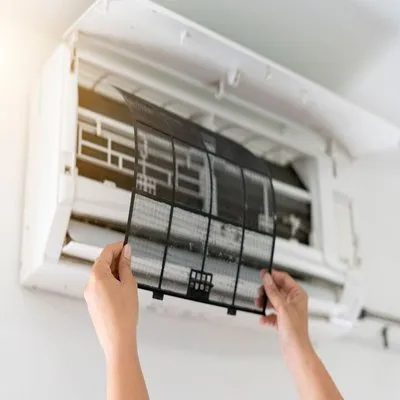
Living in Port St. Lucie means dealing with hot, humid weather almost year-round. A properly working air conditioner isn't just a luxury—it's a necessity. At Tropi-Kool Air Conditioning, we understand...
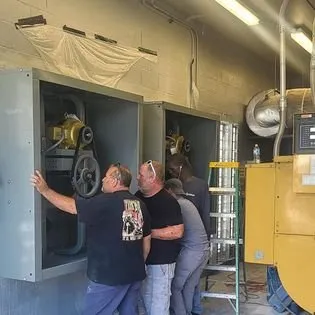
Galaxy Air Conditioning is Port St. Lucie's trusted partner for reliable heating, cooling, and air duct cleaning. We understand that many local homes face frustrating HVAC issues, from sudden AC compr...
Breathe Healthier Air
Breathe Healthier Air is a locally owned and operated HVAC company in Stuart, Florida, founded by Ken Geary. With over 35 years of experience in the air conditioning industry, Ken moved to the area in...
Absolutely Affordable Home Improvements
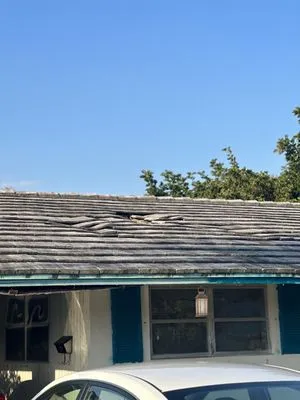
With decades of hands-on experience in the solar and roofing industries, I've built my career on dedication and strong relationships with clients and trade partners throughout Delray Beach. This found...
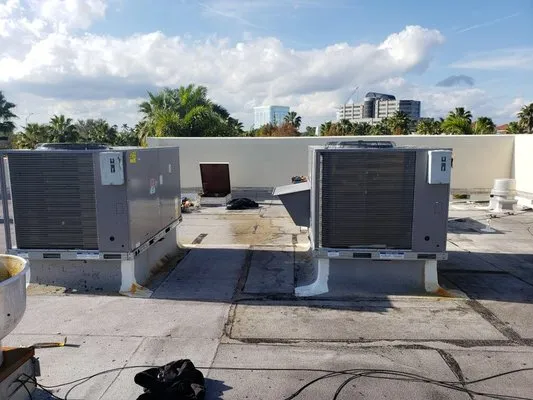
Dove Air Conditioning & Refrigeration
Dove Air Conditioning & Refrigeration is a family-owned, state-certified HVAC contractor proudly serving Jupiter and the surrounding Palm Beach, Martin, and St. Lucie Counties since 1995. We specializ...

Harpers Air is a family-owned and operated HVAC company serving Miami and South Florida since 1969. As a Premier Certified Air Conditioning Contractor and independent Trane Comfort Specialist™ dealer,...
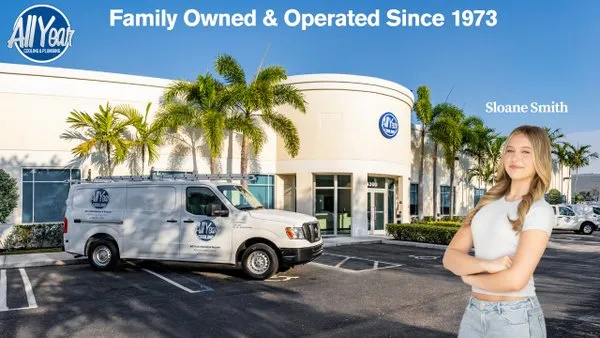
Since 1973, All Year Cooling has been a trusted, family-owned HVAC and plumbing resource for Coral Springs and South Florida. For over five decades, we've built our reputation on honest, reliable serv...
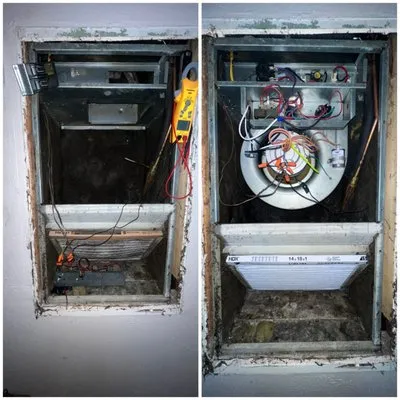
AC All Stars Ernst is a family-owned HVAC business serving Margate, FL, founded by a dedicated father of four with five years of hands-on experience. After relocating from New York, the owner discover...
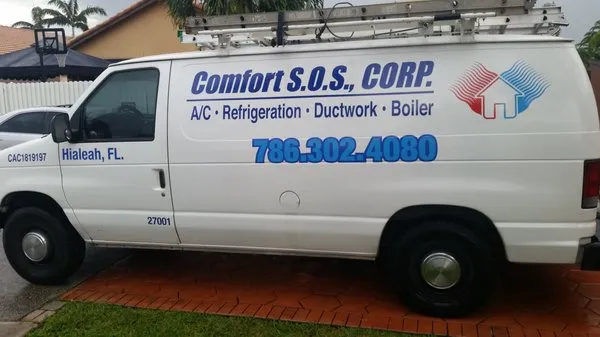
Comfort S.O.S.
Founded by a mechanical engineer with deep roots in the Hialeah community, Comfort S.O.S. brings a foundation of technical expertise and personal dedication to every job. Since 1995, our owner has bee...
Trusted Cooling Solutions is a leading HVAC service provider dedicated to keeping Coral Springs homes comfortable year-round. We specialize in expert installation, repair, and maintenance for all heat...
Estimated HVAC Service Costs in Rio, FL
Q&A
What permits and safety standards apply to new AC installations in Rio?
All Rio HVAC installations require permits from the Martin County Building Department, with inspections verifying proper sizing, refrigerant charge, and electrical connections. For R-454B and other A2L refrigerants, 2026 standards mandate leak detection systems, service valves with low-loss fittings, and equipment room requirements for larger charge amounts. Technicians must hold EPA Section 608 certification with specific A2L endorsements. These regulations ensure safe handling of mildly flammable refrigerants while maintaining system efficiency.
What does an Ecobee E1 alert mean for my Rio HVAC system?
An Ecobee E1 error indicates the thermostat isn't detecting power from your HVAC system. In Rio's humid environment, this often signals a safety switch tripped by condensate overflow, a failed transformer, or a tripped circuit breaker. Salt-air corrosion can exacerbate electrical connection issues. This alert prevents system operation to avoid compressor damage, requiring professional diagnosis. Regular maintenance of drain lines and electrical connections helps prevent E1 alerts in coastal Rio homes.
What do the 2026 SEER2 requirements mean for my Rio home's cooling costs?
The 15.0 SEER2 minimum represents a 30% efficiency improvement over 2015 standards. For Rio's 3.5-ton average system, this translates to approximately 1,200 kWh annual savings at FPL's $0.14/kWh rate. The Inflation Reduction Act's $8,000 rebate cap makes high-efficiency upgrades economically viable, often covering 30-50% of installation costs. Systems exceeding 18 SEER2 typically qualify for maximum rebates while providing the best long-term operating cost reduction.
Why does my Rio AC struggle when temperatures exceed 91°F?
Rio's design temperature of 91°F represents the outdoor condition at which your system should maintain 75°F indoors. When actual temperatures reach 95-100°F, the system operates continuously with reduced capacity. R-454B refrigerant maintains better performance at high temperatures compared to older R-410A, but all systems experience capacity reduction above design conditions. Proper sizing through Manual J calculations ensures your system handles Rio's hottest days without excessive energy consumption.
Should I switch from electric heat to a heat pump in Rio?
Heat pumps offer significant advantages for Rio's mild winters, where temperatures rarely drop below 40°F. During FPL's 13:00-19:00 peak hours, heat pumps operate 2-3 times more efficiently than electric resistance heat. The switch eliminates separate heating systems while providing year-round climate control. With IRA rebates covering much of the conversion cost, heat pumps typically pay back through energy savings within 3-5 years in Rio's climate.
What should I do if my AC stops working during a Rio Central heatwave?
First check your thermostat settings and circuit breakers, then call for service. From the Rio Civic Center area, technicians can reach most Rio Central homes within 10-15 minutes via US-1. This response time is critical during Florida heatwaves when indoor temperatures can rise rapidly. Emergency no-cool calls typically prioritize compressor failures, refrigerant leaks, or electrical issues that require immediate attention to prevent further system damage.
Can my Rio home's ductwork handle better air filtration for ozone and pollen?
Fiberglass ductboard systems in Rio homes often struggle with MERV-13 filters due to increased static pressure. While March pollen peaks and ozone risks warrant enhanced filtration, forcing high-MERV filters can reduce airflow by 20-30%, potentially freezing evaporator coils. A static pressure test determines if your duct system can accommodate better filtration without modification. For homes with restrictive ductwork, standalone HEPA air purifiers often provide better particle removal without compromising HVAC performance.
How old is my HVAC system likely to be in Rio, and why does that matter?
The average Rio home was built around 2001, making typical HVAC systems about 25 years old in 2026. This age exceeds the 15-20 year design life for most units. In Rio's coastal environment, salt-air induced condenser coil corrosion accelerates with age, as protective coatings degrade and metal fatigue sets in. Older systems often operate with reduced efficiency and increased refrigerant leakage risk, particularly problematic with the transition to newer A2L refrigerants like R-454B.
