
Top Emergency HVAC Services in Seminole, FL, 33708 | Compare & Call

There are 237 hvac companies server in Seminole FL
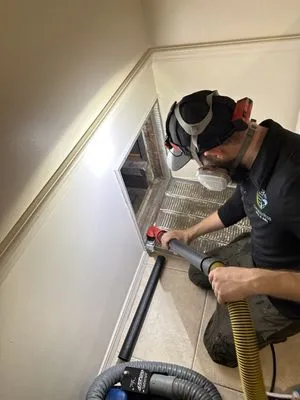
Clean Air Pros
Clean Air Pros is a NADCA-certified, family-owned HVAC service provider serving Temple Terrace, FL, with over 6 years of experience. Specializing in air duct cleaning, dryer vent cleaning, chimney ser...
FAST of Florida
FAST of Florida has been serving Clearwater and Pinellas County since 1972, providing reliable HVAC, plumbing, and electrical services. As a licensed home service company, we handle everything from ai...

AStar Mechanical Enterprises
AStar Mechanical Enterprises in Chuluota, FL, is a woman-led HVAC and home energy auditing company that stands out by blending energy efficiency expertise with advanced 3D virtual modeling and design ...
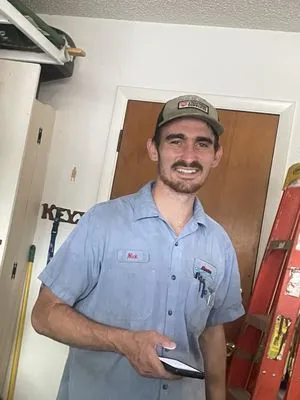
For over 40 years, owner Daryl Senica has been a trusted name in HVAC. His journey began in a family business in Illinois at age 15, where he honed his skills to become a leading service technician. A...

The Comfort Authority has a story rooted in resilience and integrity. After an unexpected career turn, our founder leveraged extensive experience from the USAF, Home Depot, and finish carpentry to bui...
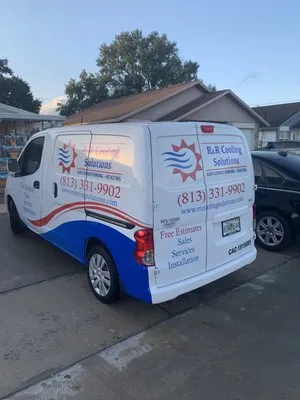
R&R Cooling Solutions is a family-owned and operated HVAC company serving Gibsonton and the Tampa Bay area with over 25 years of combined experience. We specialize in residential and commercial heatin...
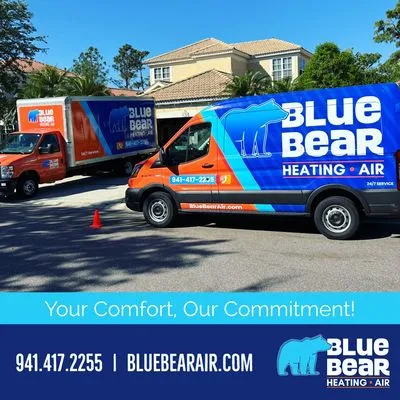
Blue Bear Heating & Air is a licensed HVAC service provider based in Palmetto, FL, serving Manatee, Sarasota, Hillsborough, and Pinellas Counties. We specialize in comprehensive heating and air condit...
Fontana Brothers Heating & Air Conditioning is a family-owned, licensed, and bonded HVAC company serving the Greater Tampa Bay area, including Sarasota, Manatee, Polk, Pinellas, Pasco, and Hernando co...
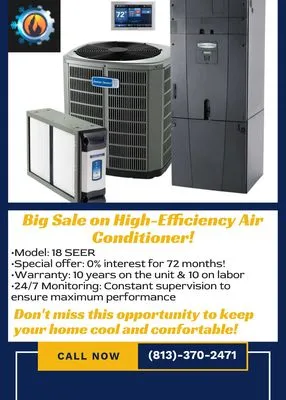
Priority Cool Solutions is a Tampa-based HVAC company dedicated to helping local homeowners and businesses achieve precise, comfortable indoor temperatures. We specialize in HVAC installation, replace...
Comfort Air Heating and Cooling
Comfort Air Heating and Cooling is a locally-owned Tampa HVAC company with over 25 years of experience serving both homes and businesses. As a dedicated member of the community, we focus on understand...
Estimated HVAC Service Costs in Seminole, FL
Questions and Answers
What if my AC stops working during a Seminole heatwave?
For a no-cool emergency in Seminole City Center, technicians can typically respond within 10-15 minutes from locations near Seminole City Park. Using State Road 694 (Park Blvd) provides direct access to most neighborhoods without traffic delays common on larger highways. This rapid response helps prevent indoor temperatures from rising above safe levels during peak heat hours.
Why does my AC struggle on the hottest Seminole days?
Seminole's design temperature of 92°F represents the outdoor condition at which properly sized systems should maintain 75°F indoors. When temperatures exceed this threshold, systems operate continuously and may not achieve desired indoor temperatures. Modern R-454B refrigerant maintains better pressure-temperature relationships in extreme heat compared to older refrigerants, providing more consistent cooling during temperature spikes above design conditions.
Are new AC units really more efficient than my old one?
Current 2026 standards require a minimum SEER2 rating of 15.0, which represents about a 25% efficiency improvement over systems from the 1990s. At Seminole's average electricity rate of $0.15 per kWh, upgrading to a SEER2 18 unit could save approximately $450 annually on cooling costs. The Inflation Reduction Act provides rebates up to $8,000 for qualifying heat pump installations, making high-efficiency upgrades more accessible.
What does an Ecobee E160 alert mean for my Seminole AC?
An Ecobee E160 alert indicates the thermostat has detected abnormal temperature differentials between supply and return air, suggesting reduced system capacity. In Seminole's humid climate, this often signals evaporator coil issues or refrigerant charge problems before complete failure occurs. Addressing this alert promptly can prevent more extensive repairs and maintain proper dehumidification during Florida's humid seasons.
How old is my HVAC system likely to be in Seminole?
The average HVAC system in Seminole homes is about 37 years old, calculated from the typical 1989 build year to 2026. Systems of this age often operate with outdated R-22 refrigerant, which is no longer manufactured. In coastal Florida environments, salt-air exposure accelerates evaporator coil corrosion, particularly in older units where protective coatings have degraded. This corrosion leads to refrigerant leaks and reduced cooling capacity over time.
Can better filters help with Seminole's pollen and ozone issues?
MERV-13 filters effectively capture pollen particles that peak in March and reduce indoor ozone concentrations from outdoor air infiltration. However, flex duct with R-6 insulation may create static pressure issues with higher-MERV filters if the duct system wasn't designed for increased airflow resistance. A static pressure test determines whether existing ductwork can accommodate MERV-13 filtration without reducing system performance.
Should I switch from electric heat to a heat pump in Seminole?
Heat pumps provide efficient heating down to approximately 35°F, which covers most Seminole winter conditions. During utility peak hours from 14:00 to 19:00, heat pumps operating in heating mode consume less energy than traditional electric resistance heating. The combination of off-peak operation and higher efficiency coefficients makes heat pumps economically advantageous for Seminole homes currently using electric heat.
What permits are needed for new AC installation in Seminole?
The City of Seminole Building Department requires permits for all HVAC system replacements to ensure compliance with 2026 Florida Building Code standards. For systems using R-454B refrigerant, which is classified as A2L mildly flammable, installations must follow specific safety protocols including leak detection systems and proper ventilation. These requirements protect both homeowners and technicians while ensuring system longevity and performance.
