
Top Emergency HVAC Services in Athens, GA, 30601 | Compare & Call

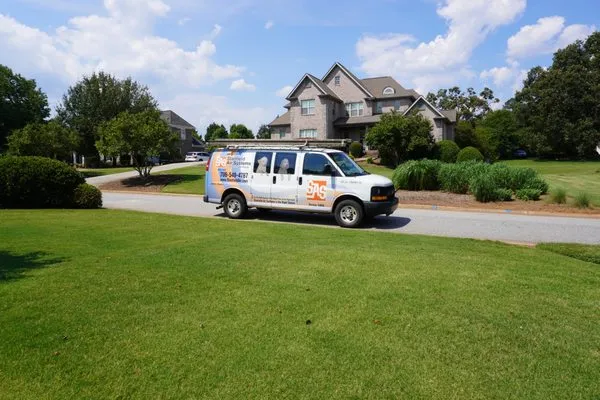
Stanfield Air Systems
Stanfield Air Systems is a family-owned HVAC contractor that has been a trusted name in Athens, GA, since 1968. Founded by Lynn Stanfield, the business is now proudly run by his daughter, Sally Stanfi...

Jordan Air is a trusted, locally-owned heating, air conditioning, and plumbing company serving Athens, GA, and the surrounding communities. We understand the specific challenges Athens homeowners face...

Orozco Heating & Air is a family-operated HVAC service provider in Athens, GA, with over 20 years of combined experience. As state-licensed contractors, they specialize in heating and air conditioning...

Blount Heating and Cooling is a family-owned HVAC company that has been serving Athens, GA, and surrounding communities since 1986. With over 36 years of industry experience, we specialize in resident...

Alpaugh Sub Zero Refrigeration Heating & Air
Alpaugh Sub Zero Refrigeration Heating & Air has been a trusted HVAC service provider for Athens, GA homeowners and businesses for years. Our team specializes in diagnosing and repairing the common lo...

Since 1984, D & D Heating & Air Conditioning has been a trusted, family-owned provider for Athens and the surrounding communities. For nearly four decades, we've built our reputation on reliable servi...

Clockwork Heating & Air Conditioning
Clockwork Heating & Air Conditioning has been a trusted local HVAC provider in Athens, GA since 1985, offering reliable heating and air conditioning solutions for both homes and businesses. As a local...
Athena Air Heating & Cooling
Athena Air Heating & Cooling is your local, licensed, and insured HVAC expert serving Athens, GA, and the surrounding Watkinsville area since 2016. With over a decade of combined experience, our team ...
Debalski Heating and Cooling is your trusted local HVAC expert in Athens, GA. We understand the unique challenges Athens homeowners face, like dirty evaporator coils from our high pollen counts and HV...
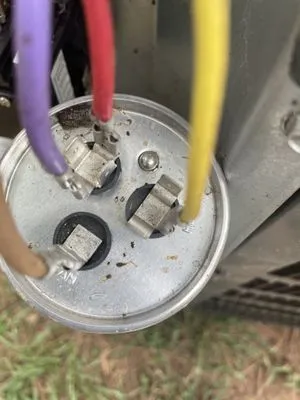
Mr Professional is your trusted local expert in Athens, GA, specializing in both appliance repair and comprehensive HVAC services. We understand the specific challenges Athens homeowners face, especia...
Questions and Answers
What are the permit and safety requirements for a new AC installation in 2026?
All HVAC replacements in Athens-Clarke County require a permit from the Building Inspections Department. Since January 2023, new equipment uses mildly flammable A2L refrigerants like R-454B. The 2026 code mandates specific safety measures: leak detectors must be installed in the indoor unit, service valves require quick-connect fittings, and linesets may need to be marked. These protocols ensure safe handling, and your contractor should pull the permit and schedule the required municipal inspection.
My air conditioner stopped on a hot day in Five Points. How fast can a technician arrive?
A dispatch from our local office near Sanford Stadium uses US-78 to reach most Five Points addresses within 12 to 18 minutes. For a no-cool emergency, the first step is checking the circuit breaker and the outdoor unit's disconnect switch. If power is confirmed, the issue is likely a failed capacitor, refrigerant leak, or a safety lockout—all problems we can diagnose and often resolve on-site during that initial service call.
Can my home's duct system handle better air filters for pollen and ozone?
Many Athens homes built in the 80s have galvanized sheet metal trunks with fiberglass board branches, which is a robust setup. However, installing a high-MERV filter, like a MERV-13 for pollen and fine particles, requires a static pressure check. If the existing blower motor isn't variable-speed, the added restriction can reduce airflow and strain the system. A technician can measure static pressure and may recommend duct modifications or a system upgrade to safely support advanced filtration.
My Ecobee thermostat is showing an 'E1' alert. What does that mean here?
An Ecobee E1 code indicates the thermostat is not detecting a call for cooling or heating from your HVAC equipment. In Athens, this commonly points to a safety device, like a high-pressure switch, being tripped due to a dirty condenser coil, a refrigerant restriction, or a failing capacitor. It can also signal a loss of communication with the furnace control board in your gas-heat system. This alert allows for proactive service before a complete system shutdown occurs.
My Athens HVAC system is original to my house. Is it still efficient?
A system from the mid-1980s, like many in Athens, is now 40 years old. This age means critical components like the evaporator coil have endured decades of our humid subtropical climate. The consistent moisture promotes microbial growth inside the coil, which reduces airflow, increases energy use, and can degrade indoor air quality. At this stage, the cost of major repairs often outweighs the benefits of a modern, efficient replacement.
Is switching from my gas furnace to a heat pump a good idea for Athens winters?
With winter lows typically in the 30s, modern cold-climate heat pumps are a viable primary heat source for most Athens homes. The economic case strengthens when you consider Georgia Power's peak rates from 2 PM to 7 PM; a heat pump's efficiency can reduce demand during these costly hours. Pairing the system with the available federal tax credits and utility rebates often results in lower annual energy costs compared to maintaining separate gas and air conditioning systems.
What do the new 2026 SEER2 ratings mean for my replacement system?
The federal minimum is now 14.3 SEER2 for split systems in North Georgia. While a base 14.3 SEER2 unit meets code, upgrading to a 16 or 18 SEER2 model significantly lowers operating costs at Athens' 14-cent per kWh rate. The Inflation Reduction Act provides tax credits up to $2,000, and when combined with a Georgia Power EarthCents rebate, the net cost for a high-efficiency unit becomes very competitive with a standard model.
Why does my AC struggle when it gets above 95 degrees?
Residential systems in Athens are typically designed for a 92°F outdoor temperature. When temperatures exceed this design limit, as they often do, the system's capacity to remove heat drops. The new standard R-454B refrigerant has slightly better high-temperature performance than older R-410A, but all systems lose efficiency in extreme heat. Proper sizing, clean coils, and adequate attic ventilation are critical to minimize this performance gap during our hottest weeks.
