
Top Emergency HVAC Services in Dacula, GA, 30019 | Compare & Call


Faith Mechanical is a family-owned and operated HVAC company serving Dacula, GA, and surrounding areas with over 20 years of experience in the heating and air conditioning industry. We specialize in H...
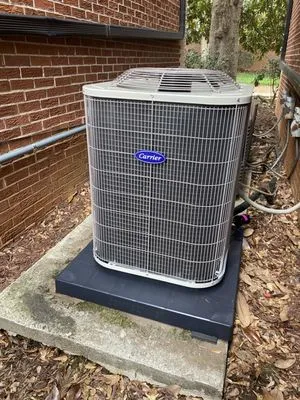
Maliks Heating and Air
Maliks Heating and Air is a Dacula-based HVAC and water heater service provider, owned and operated by a dedicated professional who brings hands-on expertise to every job. The business was founded aft...
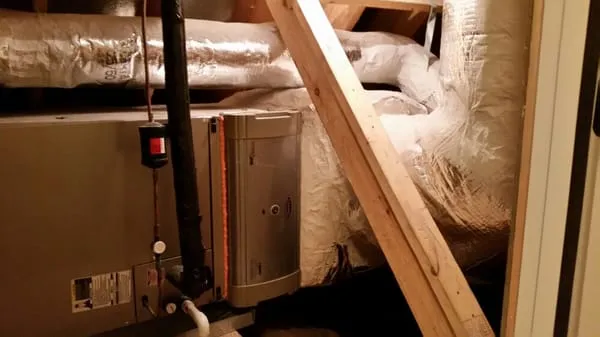
Hixon Heating and Air Conditioning
Hixon Heating and Air Conditioning has been a trusted name for comfort in Dacula and the surrounding counties since 1990. Our journey began when the owner, starting his trade at 18, chose to build a l...
Quality Air Care is a family-owned and operated HVAC company serving Dacula, GA, dedicated to providing honest work and fair pricing. We specialize in HVAC installation, repair, and maintenance, ensur...
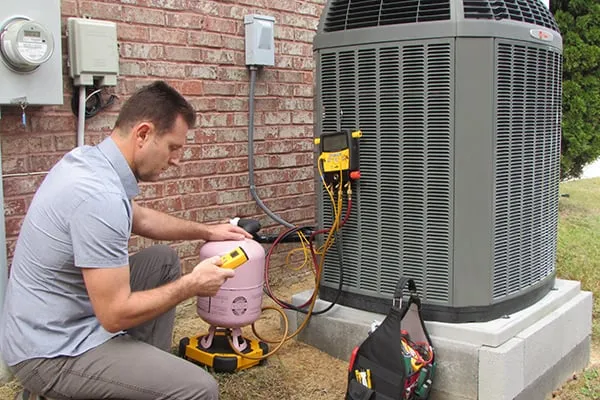
Your Daily Comfort is Dacula, GA's trusted heating and air conditioning specialist, dedicated to keeping local homes comfortable year-round. We understand that Dacula homeowners frequently face HVAC c...

HERO Heating and Air Conditioning
HERO Heating and Air Conditioning is a Dacula family-owned HVAC company, founded in 2007 by firefighters. This background instills a core principle of service, reliability, and trust—values carried di...
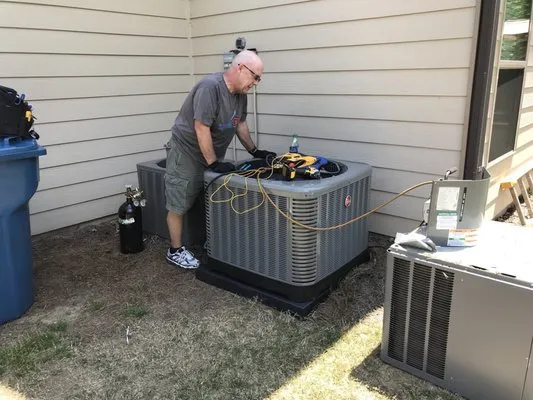
Northern Exposure HVAC is a trusted heating and air conditioning company serving Dacula, GA, and the surrounding communities. We specialize in professional HVAC installation, replacement, and repair s...
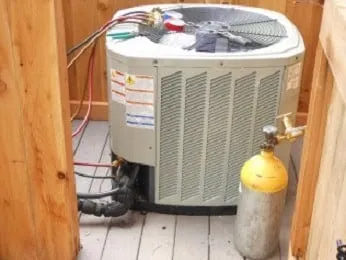
SJ Moore Heating & Air Conditioning has been providing reliable HVAC services to Dacula and Gwinnett County for over three decades. With 32 years of professional experience in Georgia, we specialize i...
Cool Change Inc Heating and Cooling brings over 25 years of dedicated HVAC experience to Dacula homeowners. Our focus is on providing convenient, cost-effective service, repair, and replacement soluti...

Alpha and Omega HVAC
Alpha and Omega HVAC has been a trusted provider of heating, ventilation, and air conditioning services in Dacula, GA, and the greater Atlanta area since 2011. As a licensed HVAC contractor, we specia...
Question Answers
Should I consider switching from gas heat to a heat pump in Dacula?
Heat pumps work effectively in Dacula's climate where winter lows rarely drop below 20°F. Modern cold-climate models maintain efficiency down to 5°F. Operating costs compare favorably to gas heat during Georgia Power's 14:00-19:00 peak hours when electricity rates are highest. Dual-fuel systems that combine a heat pump with gas backup provide optimal efficiency and reliability during the coldest periods while maximizing HEEHRA rebate eligibility.
What permits and safety standards apply to new AC installations in Dacula?
Gwinnett County Planning and Development Department requires permits for all HVAC replacements involving refrigerant changes or electrical modifications. Since 2025, R-454B and other A2L refrigerants mandate special handling due to mild flammability. Installations must follow ASHRAE Standard 15-2022 for refrigerant room calculations and UL 60335-2-40 for leak detection and ventilation requirements. Technicians need EPA Section 608 certification with specific A2L endorsement for legal compliance.
Why does my AC struggle when temperatures approach 100°F in Dacula?
HVAC systems in Dacula are designed for 91°F outdoor temperatures based on historical climate data. When actual temperatures exceed this design limit by 5-10 degrees, capacity drops 10-20% while heat gain increases. Modern R-454B refrigerant systems maintain better performance at high temperatures than older R-410A units. Proper sizing through a Manual J load calculation ensures your system can handle occasional temperature spikes without complete failure.
Can I install better air filters to address Dacula's pollen and ozone concerns?
MERV-13 filters effectively capture pollen particles during April's peak season and reduce ozone byproducts. However, flexible R-6 insulated ducts in many Dacula homes may create static pressure issues with high-MERV filters. A technician should measure your system's static pressure before upgrading filtration. Properly sized MERV-11 filters often provide adequate pollen control without overtaxing older duct systems while maintaining airflow for humidity control.
My Dacula home's AC seems to be struggling more each summer. Could its age be a factor?
Homes built around 1995 in Dacula typically have original HVAC equipment that is now 31 years old. This age exceeds the 15-20 year design life for most systems. Older units with micro-channel coils are particularly vulnerable to corrosion in our humid subtropical climate. The combination of high humidity, temperature swings, and normal wear creates pinhole leaks that reduce refrigerant charge and cooling capacity.
Our AC stopped working during a heatwave in Downtown Dacula. How quickly can a technician arrive?
From our service center near Little Mulberry Park, technicians can reach Downtown Dacula via GA-316 in 12-18 minutes during normal traffic. This routing avoids congestion on surface streets. We prioritize no-cool emergencies during heatwaves and dispatch technicians immediately upon receiving your call. Most emergency diagnostics and temporary repairs can begin within 30 minutes of your initial contact.
What efficiency standards apply to new AC installations in Dacula for 2026?
Current federal regulations require a minimum SEER2 rating of 14.3 for split-system air conditioners in Georgia. This represents about a 15% efficiency improvement over pre-2023 standards. With Georgia Power rates at 0.14/kWh, upgrading to a 16-18 SEER2 unit typically reduces cooling costs by 20-30%. The Inflation Reduction Act provides rebates up to $8,000 for qualifying high-efficiency installations through the HEEHRA program.
My Ecobee thermostat shows an E1 error code. What does this mean for my Dacula home?
The Ecobee E1 alert indicates your HVAC system isn't responding to thermostat commands. In Dacula homes, this often signals communication failures between indoor and outdoor units, possibly from corroded connections in our humid environment. It can also indicate refrigerant issues or electrical problems. This alert allows early intervention before complete system failure, particularly important during pollen season when continuous filtration is needed for indoor air quality.
