
Top Emergency HVAC Services in Madison, GA, 30650 | Compare & Call

There are 48 hvac companies server in Madison GA
Reliable Heating & Air, Plumbing and Electrical
Since 1978, Reliable Heating & Air has been a trusted, family-operated provider for Kennesaw and Metro Atlanta. Specializing in HVAC, plumbing, and electrical services, we combine over four decades of...
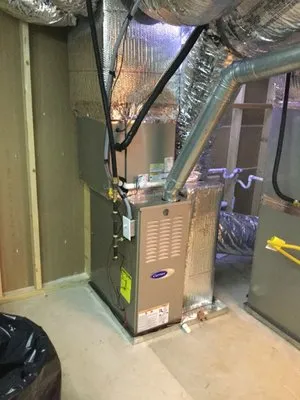
E & K Heating & Air
E & K Heating & Air is your local, family-owned and operated HVAC specialist in Loganville, GA. With over eight years of experience serving Georgia homes and businesses, we provide comprehensive heati...
Rutledge Air Services has been a trusted HVAC provider in Covington, GA, and surrounding communities since 2000. As a privately owned company, we specialize in comprehensive heating and air conditioni...

Peppers Heating & Air
Peppers Heating & Air is a family-owned HVAC company proudly serving Covington and the surrounding communities since 1977. Founded on a commitment to quality products and lasting customer relationship...

Real Life Comfort is a locally owned and operated HVAC contractor serving Atlanta, GA, and the surrounding communities. As a state-licensed mechanical contractor with NATE certification, we provide re...

Buckhead Plumbing & HVAC
For over 30 years, Buckhead Plumbing & HVAC has been a trusted family-owned name serving Atlanta and the greater Southeast. Founded by owner Steve Malone, we operate on a foundation of old-fashioned h...
Earl's Heating and Air Conditioning
Earl's Heating and Air Conditioning is a trusted, family-owned Milledgeville business serving Middle Georgia since 1985. Founded by Earl Suggs, a licensed technician with deep roots in the community, ...
Nathan Baugh Heating & Cooling
Nathan Baugh Heating & Cooling is a locally owned HVAC contractor serving Milledgeville, Eatonton, and Macon, Georgia, with over 10 years of experience. Founded by Nathan Baugh, who started as a field...
ProTech Services - Plumbing, Heating, & Air
ProTech Services has been a trusted name in Middle Georgia's home service industry since 1998. Founded by Gene Dudley, a master plumber with over 30 years of experience, the company began as Payless P...
Serving Auburn and the greater Atlanta area, Avery's HVAC is a trusted local provider of heating and air conditioning services. With many years of experience, our team is equipped to handle residentia...
Estimated HVAC Service Costs in Madison, GA
Common Questions
What happens if my Downtown Madison AC stops working during a heatwave?
A no-cool emergency in Downtown Madison requires immediate attention to prevent heat stress. Technicians can dispatch from Madison Town Park and access I-20 for a 5-10 minute response to most neighborhood locations. Quick diagnosis prevents further compressor damage in systems using R-454B refrigerant. This rapid response minimizes downtime during Georgia's humid summer conditions.
Why do Madison HVAC systems from the 1980s often fail with micro-channel coil corrosion?
The average Madison home was built around 1984, making many HVAC units 42 years old in 2026. Micro-channel coils in these older systems are prone to corrosion due to Georgia's humid climate and acidic condensation. This corrosion leads to refrigerant leaks and reduced cooling capacity. Units this age typically operate below current SEER2 efficiency standards and may use outdated refrigerants.
How does Madison's summer heat affect modern HVAC system performance?
Madison's summer temperatures frequently exceed the 92°F design temperature used for system sizing. This temperature gap reduces cooling capacity and increases compressor load on all systems. R-454B refrigerant maintains better performance at high temperatures compared to older refrigerants. Proper system sizing and airflow optimization help bridge this performance gap during peak heat conditions.
Should Madison homeowners switch from electric resistance heat to heat pumps?
Madison's climate supports heat pump operation year-round, with modern units effective down to 5°F winter lows. Switching from electric resistance heat to a heat pump reduces energy consumption by 50-60% during heating season. Avoiding utility peak hours from 14:00-19:00 further optimizes operating costs. The HEEHRA rebate makes this transition economically favorable for most electric-heated homes.
Can my Madison home's ductwork handle advanced air filtration for pollen and ozone?
Madison's April pollen peak and ozone risk require MERV-13 filtration for optimal indoor air quality. Flexible R-6 insulated ductwork common in local homes can typically support MERV-13 filters without excessive static pressure issues. Proper sizing verification ensures adequate airflow for the 3-ton average system capacity. This filtration reduces both seasonal allergens and ozone-related respiratory irritants.
What does an Ecobee E1 error code mean for my Madison HVAC system?
An Ecobee E1 alert indicates a communication failure between the thermostat and HVAC equipment. In Madison's humid environment, this often signals moisture-related electrical issues or control board problems. The error prevents proper system operation and requires professional diagnosis. Quick resolution prevents secondary damage to compressors and refrigerant circuits in local climate conditions.
How do 2026 SEER2 requirements affect my Madison electricity bills?
The 2026 minimum SEER2 requirement of 14.3 represents a 15% efficiency improvement over previous standards. At Madison's 0.14/kWh utility rate, this translates to approximately $150 annual savings for a typical 3-ton system. The Inflation Reduction Act's HEEHRA rebate provides up to $8,000 toward qualifying high-efficiency installations. Combined with Georgia Power's $300 EarthCents rebate, these incentives significantly reduce upgrade costs.
What permits and safety standards apply to 2026 HVAC installations in Madison?
All HVAC installations in Madison require permits from the City of Madison Planning and Development Department. 2026 standards mandate specific safety protocols for A2L refrigerants like R-454B, including leak detection and ventilation requirements. These regulations address the mild flammability characteristics of modern refrigerants. Proper documentation ensures compliance with both local codes and federal environmental regulations.
