
Top Emergency HVAC Services in Mount Airy, GA, 30563 | Compare & Call

There are 41 hvac companies server in Mount Airy GA

Real Life Comfort is a locally owned and operated HVAC contractor serving Atlanta, GA, and the surrounding communities. As a state-licensed mechanical contractor with NATE certification, we provide re...
King Midas Heating and Air is a trusted local HVAC provider for Atlanta and surrounding communities. We focus on delivering reliable comfort and cleaner air for your home through expert installation, ...
Air Conditioning Services (ACS) is your trusted, locally owned and operated HVAC specialist based right here in Gainesville, serving Oakwood and surrounding communities. We are a fully licensed, bonde...

Jackson Heat & Cool, LLC is a locally owned and operated HVAC company serving Athens, GA, with over 24 years of experience. We prioritize your family's comfort and deliver reliable heating and cooling...
Xtreme Comfort Heating and Cooling is your trusted local HVAC expert in Royston, GA. Our NATE-certified technicians are dedicated to delivering a reliable experience for all your heating and cooling n...
KCS Heating & Cooling is your trusted, locally-owned HVAC specialist serving Nicholson, GA, and the surrounding communities. We provide expert installation, replacement, and repair services for all ma...
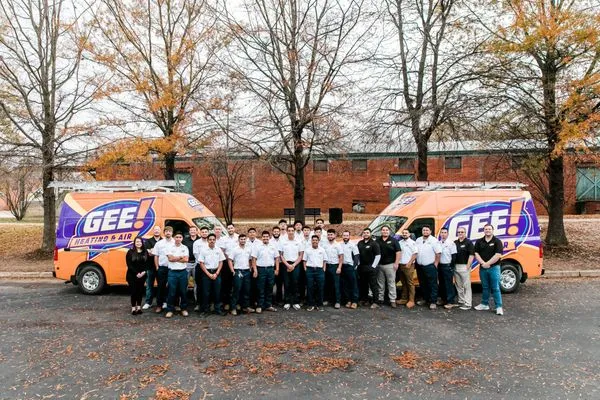
Gee Heating and Air is a family-owned and operated HVAC contractor with deep roots in Flowery Branch and Northeast Georgia. Founded in the early 1960s by Joe Henry Gee and Freeman Willis, the company ...
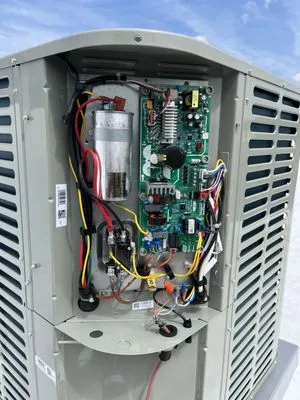
Affordable Comfort Systems is a trusted HVAC company serving Cornelia, GA, and surrounding areas. We specialize in heating and air conditioning installation, repair, and maintenance to keep your home ...
For over two decades, LA Heating and Air has been a trusted name in Carnesville, GA, and the surrounding communities. What began as a residential service in the early 2000s has evolved to include spec...
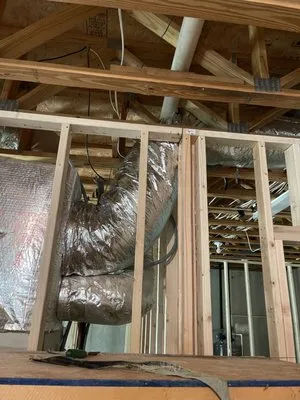
Mountain Air in Martin, GA is a trusted local HVAC company with deep roots in the community. Founded by Ted Murray, the business established a reputation for exceptional service in the Martin area bef...
Estimated HVAC Service Costs in Mount Airy, GA
FAQs
What permits and safety standards apply to new AC installations in 2026?
All HVAC installations in Habersham County require permits from the Building and Planning Department, with specific requirements for R-454B refrigerant systems. The 2026 A2L safety standards mandate leak detection, ventilation calculations, and proper labeling for mildly flammable refrigerants. Technicians must hold EPA Section 608 certification with A2L-specific training. These regulations ensure safe handling while enabling the transition to more environmentally friendly refrigerants.
How do the new 2026 SEER2 standards affect my electricity bills?
The 14.3 SEER2 minimum requirement represents about a 15% efficiency improvement over previous standards. At Mount Airy's 0.14/kWh rate, upgrading from a 20-year-old system could save $400-600 annually. The Inflation Reduction Act's $8,000 rebate cap makes high-efficiency replacements financially accessible. Combining SEER2 compliance with the IRA rebate creates a strong economic case for system modernization.
What does an Ecobee E1 alert mean for my Mount Airy HVAC system?
An Ecobee E1 signal indicates your system has exceeded its maximum allowed runtime, typically pointing to undersized equipment or extreme load conditions. In Mount Airy's humid environment, this often correlates with systems struggling to maintain both temperature and humidity control. The alert serves as an early warning before compressor damage occurs. Addressing the underlying capacity or maintenance issue prevents more serious failures during peak cooling demand.
Why does my AC struggle when temperatures exceed 90 degrees?
Mount Airy's design temperature of 90°F represents the outdoor condition your system was engineered to maintain 75°F indoors. When actual temperatures exceed this threshold, capacity drops while heat gain increases. The standard R-454B refrigerant maintains better performance in extreme heat than older refrigerants, but all systems experience reduced efficiency above design conditions. Proper sizing and shading help mitigate this performance gap during heat waves.
Can my home's filtration handle Mount Airy's ozone and pollen challenges?
Fiberglass duct board systems require careful assessment before installing MERV-13 filters. While these filters capture April pollen peaks and mitigate ozone-related particulates, they increase static pressure that can overwhelm older ductwork. A technician should measure your system's static pressure and airflow before upgrading filtration. Properly balanced systems with MERV-13 can significantly improve indoor air quality without sacrificing performance.
Why do Mount Airy AC systems seem to fail more often as they get older?
The average HVAC unit in Mount Airy is now 27 years old, calculated from the typical 1999 build year. Systems this age often develop condensate line clogs due to the region's high humidity profile. As drain pans and PVC lines accumulate biological growth over decades, they restrict water flow, leading to shutdowns or water damage. Regular maintenance becomes critical for these aging systems to prevent humidity-related failures.
What should I do if my AC stops cooling during a Downtown Mount Airy heatwave?
First check your thermostat settings and circuit breakers, then call for service. From Mount Airy Town Hall, technicians can reach most Downtown homes within 5-10 minutes via US-123. This rapid response prevents heat buildup that stresses older components. Emergency dispatches prioritize no-cool calls during peak heat hours to protect indoor environments and system integrity.
Should I consider switching from electric heat to a heat pump in Mount Airy?
Heat pumps offer significant advantages for Mount Airy's climate and utility structure. During Georgia Power's 14:00-19:00 peak hours, heat pumps provide 2-3 times more heat per kilowatt-hour than electric resistance heating. Modern cold-climate models maintain efficiency down to 5°F, covering most winter conditions. The combination of IRA rebates and EarthCents incentives makes this transition economically favorable while reducing peak demand on the grid.
