
Top Emergency HVAC Services in Cedar Falls, IA, 50613 | Compare & Call

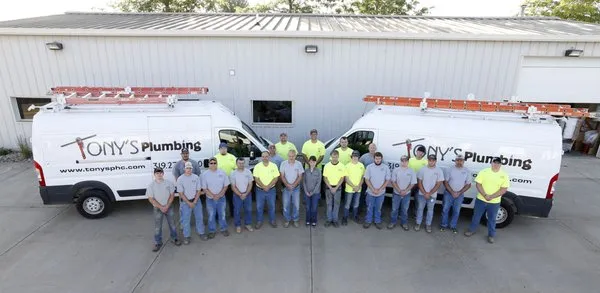
Tony's Plumbing & Heating
Tony's Plumbing & Heating has been a trusted local resource for Cedar Falls, Waterloo, and Waverly since 2010. We provide a full spectrum of plumbing and hydronic heating services for both homes and b...
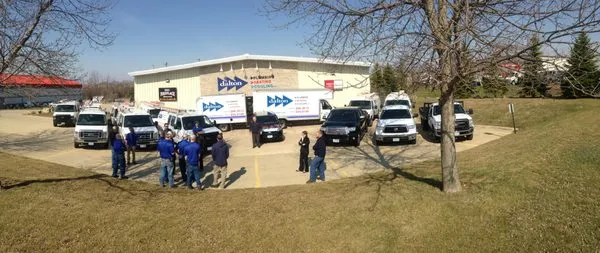
Dalton Plumbing, Heating, Cooling, Electric, and Fireplaces has been a trusted name in the Cedar Valley since 1959. Under the leadership of President and Owner Dave Krejchi, a Master Licensed plumber ...

Urban Heating & Air Conditioning
Urban Heating & Air Conditioning is a trusted HVAC company serving Cedar Falls, IA, and the surrounding areas. We specialize in comprehensive heating and air conditioning services, including installat...
All Residential Services is a locally owned and operated home service company serving Cedar Falls, IA, and the surrounding Cedar Valley communities since 2018. Founded by local resident Luis Garcia, t...
Youngblood Mobile Home Heating & Cooling
Youngblood Mobile Home Heating & Cooling is a trusted local HVAC specialist in Cedar Falls, IA, dedicated to the unique climate control needs of mobile and manufactured homes. We understand that Cedar...
Tony's Plumbing And Heating
Tony's Plumbing And Heating is a trusted local HVAC and plumbing company serving Cedar Falls, IA. We specialize in comprehensive plumbing inspections and HVAC solutions to address common local issues ...
Air Systems is a locally-owned and certified HVAC contractor serving Cedar Falls and the surrounding communities. As an independent Trane Comfort Specialist, we specialize in the installation, repair,...
Q&A
Why does my Cedar Falls home's air conditioner seem to have more problems as it gets older?
A system from a home built in the 1976 average is now 50 years old, and its age is a primary factor for failures. The original galvanized steel ductwork and refrigerant lines experience metal fatigue and minor corrosion over decades. This wear and tear, combined with the humid continental climate, makes the condensate drain line particularly prone to clogging from microbial growth and freezing from restricted airflow. Proactive cleaning and inspecting the drain pan annually can prevent most water damage incidents common in College Hill.
Can my older home's system handle better air filters for our pollen and particulate matter?
Upgrading filtration is wise given the May pollen peak and year-round PM2.5 risk. Your existing galvanized steel ductwork is generally robust, but installing a standard 1-inch MERV-13 filter can create excessive static pressure in a system not designed for it. This restricts airflow and reduces efficiency. A better solution is a 4-inch media cabinet installed at the air handler, which provides superior particle capture with lower airflow resistance, protecting both your indoor air quality and equipment.
Why does my AC struggle when the temperature gets above 95°F, even though it's newer?
Residential HVAC systems in Cedar Falls are engineered to a 89°F design temperature, which is the local average extreme heat condition. When ambient temperatures exceed this, as they periodically do, the system must run continuously and its capacity drops. The newer R-454B refrigerant standard helps, as it maintains better pressure-temperature relationships and cooling capacity in these high-load scenarios compared to older R-410A, but it cannot overcome a system that is undersized for the actual heat gain of the home.
What should I consider when switching from my old gas furnace to a full heat pump system?
Transitioning from gas heat requires a full Manual J load calculation to right-size the heat pump for both summer cooling and winter heating loads. The existing galvanized steel ductwork must be tested for static pressure and leakage, as heat pumps require higher airflow volumes than conventional furnaces. Sizing the auxiliary electric heat strips correctly is critical to manage defrost cycles and provide backup during the coldest nights, ensuring comfort without spiking your demand during utility peak hours.
How do the new 2026 federal efficiency standards and rebates affect my replacement costs?
The current minimum SEER2 standard is 13.4, but modern systems in Cedar Falls typically install in the 16-18 SEER2 range for meaningful savings. At the local utility rate of 11.5 cents per kWh, upgrading from a 10 SEER unit to a 16 SEER2 unit can save about $300 annually. The active HEEHRA rebates, with a cap of $8,000 for qualified heat pumps, combined with MidAmerican Energy's $300 to $600 incentives, can significantly offset the higher upfront cost of a high-efficiency unit.
My air conditioner stopped cooling on a hot afternoon near the UNI Dome—what's your emergency response time?
A no-cool call during peak heat is a priority dispatch. Our service trucks are routed via US-218 for the fastest access to the College Hill and downtown areas. From our central location, the travel time to a home near the University of Northern Iowa Dome is reliably 8 to 12 minutes. We carry common capacitors, contactors, and R-454B refrigerant on board to resolve over 80% of sudden failures on the first visit.
My Ecobee thermostat is showing an E1 alert—what does that mean for my Cedar Falls home?
An Ecobee E1 alert indicates the thermostat has lost communication with the outdoor heat pump or air conditioner unit. In our climate, this is most commonly caused by a tripped high-pressure switch from a dirty condenser coil or a refrigerant overcharge, or a low-voltage wire issue exacerbated by seasonal temperature swings. This alert prevents the system from running to avoid compressor damage. The first step is to check the outdoor unit's disconnect switch and clear any debris from the coil before calling for service.
Are there new safety or permit rules for the new refrigerant in air conditioners?
Yes, the 2026 standards for A2L mildly flammable refrigerants like R-454B require specific protocols. All installations and major repairs must be permitted through the Cedar Falls Building and Inspections Division. Technicians need EPA Section 608 certification with a new A2L specialty designation. The code mandates leak detection systems, updated placarding, and specific tools for recovery. These rules ensure the safe handling of the new standard refrigerant in both residential and commercial applications.
