
Top Emergency HVAC Services in Des Moines, IA, 50009 | Compare & Call

There are 150 hvac companies server in Des Moines IA
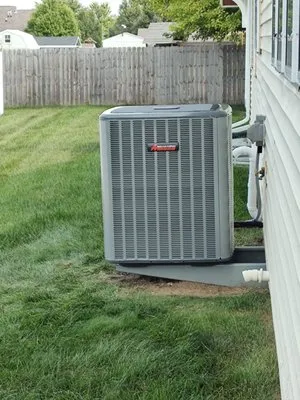
Schaal Plumbing, Heating and Cooling
Schaal Plumbing, Heating and Cooling has been a trusted HVAC, plumbing, and electrical service provider in Johnston, IA, and the surrounding Des Moines area for over 75 years. With decades of industry...
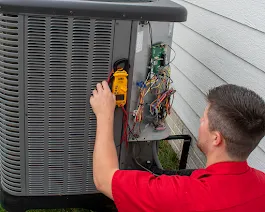
Golden Rule Plumbing, Heating, Cooling & Electrical
Golden Rule Plumbing, Heating, Cooling & Electrical is a family-owned home services company serving Grimes, IA, and surrounding areas since 1999. Founded by Mark and Miranda Paup, the business operate...
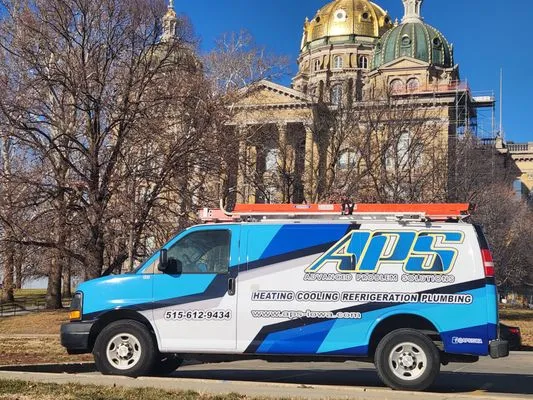
Advanced Problem Solutions
Advanced Problem Solutions is a locally owned and operated HVAC and plumbing company serving the Des Moines metro area for over 25 years. Founded by Rod Brace with a commitment to honesty, integrity, ...
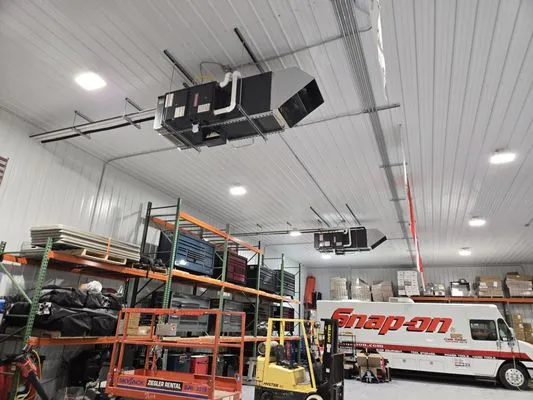
Weatherly Heating And Cooling
Weatherly Heating and Cooling LLC is a locally owned and operated HVAC company proudly serving the Spring Hill community. With 17 years of dedicated industry experience, we specialize in the service, ...
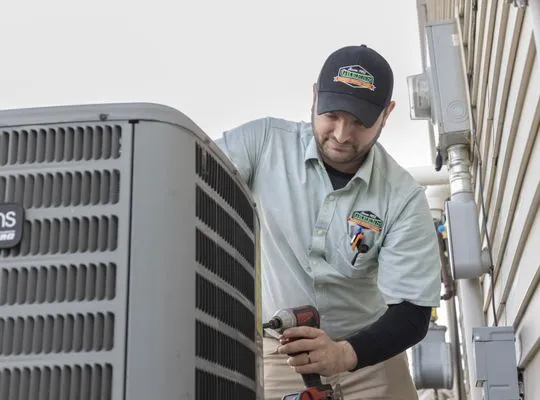
Greens Appliance, Heating & Cooling
Since 1958, Greens Appliance, Heating & Cooling has been a trusted family-owned service provider in Grimes, IA, and the greater Des Moines area. Founded by Harold Green, who started repairing applianc...
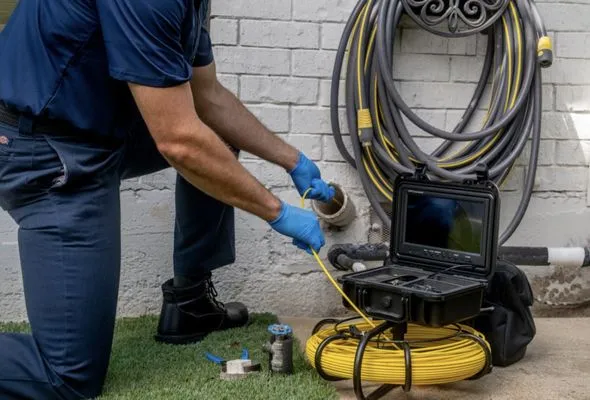
Bell Brothers Heating and Air Conditioning
Bell Brothers Heating and Air Conditioning has been a trusted family-owned name in Des Moines since 1955, founded by brothers Bob and Maurice Bell. For over seven decades, we've served our Central Iow...
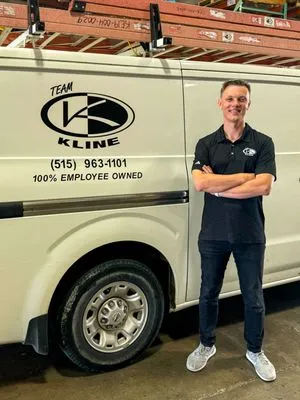
Team Kline
Team Kline is a Des Moines-based, employee-owned company with over 20 years of experience providing dependable electrical, HVAC, and plumbing services to local homeowners. Their team of licensed profe...

Modern Heating & Air has been serving Des Moines for nearly a decade with a focus on making homes more comfortable through smarter HVAC solutions. Owner Jacob Burkhart and his EPA-certified team appro...
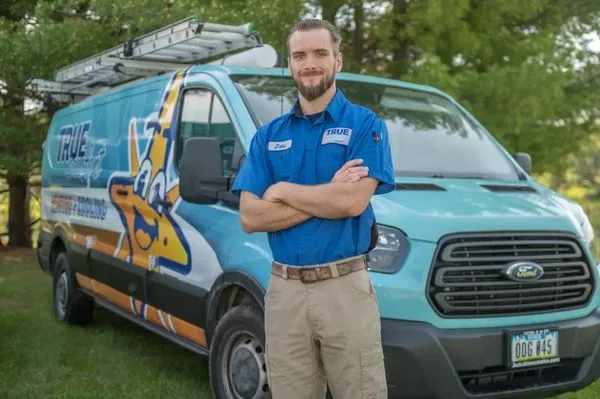
True Comfort Heating, Cooling and Plumbing
True Comfort Heating, Cooling and Plumbing is a family-owned business serving Des Moines, IA, and the surrounding communities. Founded on principles of honesty and hard work, we treat every customer l...
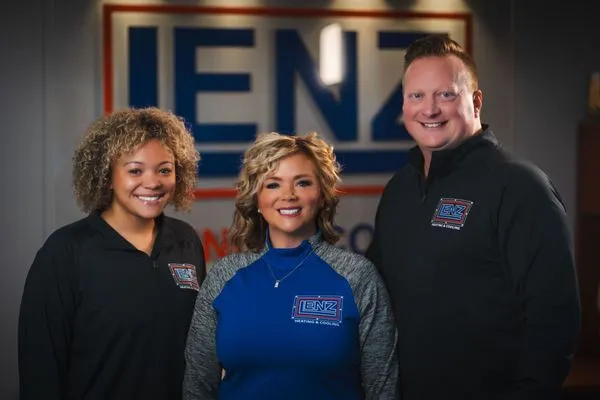
Lenz Heating & Cooling
As a proud Iowa native with over 26 years in the Des Moines area HVAC industry, my journey began after serving in the Marine Corps. I dedicated myself to studying plumbing, electrical, and HVAC, gradu...
Estimated HVAC Service Costs in Des Moines, IA
Questions and Answers
What are the permit and safety requirements for a new A2L refrigerant system?
All installations using mildly flammable R-454B refrigerant must comply with 2026 UL 60335-2-40 safety standards, requiring leak detectors and updated electrical classifications. A permit from the Des Moines Permit and Development Center is mandatory, ensuring the work meets these updated codes for charge limits and room sizing, which differ significantly from previous R-410A equipment standards.
Can my home's original ductwork handle a high-efficiency air filter for pollen and PM2.5?
Galvanized steel ductwork from the 1960s often has tighter radii and internal seams that increase airflow resistance. Installing a MERV-13 filter for May pollen peaks and year-round PM2.5 mitigation can cause excessive static pressure, starving the blower and reducing cooling capacity. A static pressure test is necessary before upgrading filtration to ensure the existing system can handle the load.
My furnace in Highland Park just quit on a cold night—how fast can you get here?
A technician can be dispatched from the Iowa State Capitol area, using I-235 for direct access to the Highland Park neighborhood. This routing typically ensures a service vehicle arrives at your address within the 12 to 18 minute window for emergency no-heat calls, allowing for quick diagnosis of issues like a failed igniter or blocked vent.
Is the new 13.4 SEER2 minimum worth the investment with current electricity costs?
The 2026 federal SEER2 standard mandates higher efficiency at low ambient temperatures, directly impacting performance during our shoulder seasons. At Des Moines's rate of $0.115 per kWh, a modern 3-ton unit meeting this standard can save over $400 annually. Pairing it with the active HEEHRA rebate, capped at $8,000, significantly reduces the net equipment cost and accelerates payback.
My AC struggles when it's above 90 degrees—isn't that what it's designed for?
Des Moines systems are typically sized for a 90°F design temperature, but summer highs can exceed this for consecutive days. This sustained load reduces the system's delta T (temperature drop) and capacity. Modern units using R-454B refrigerant maintain better pressure and efficiency in these extended heat spells compared to older R-22 systems, which see significant performance degradation.
Why does my old Des Moines air conditioner's drain line freeze up every winter?
A 1960s-era system averages 66 years old, where original galvanized steel drain pans corrode and restrict condensate flow. During our humid continental winter, frigid air infiltrates the attic or mechanical closet, causing standing water in that pan to freeze solid and trigger a shutdown. This specific failure point is a primary cause of no-heat calls for Highland Park homes with aging infrastructure.
My Ecobee thermostat is showing an E1 error code—what does that mean here?
An Ecobee E1 alert indicates the thermostat is not detecting a call for cooling or heating from the equipment. In Des Moines, this commonly points to a safety lockout from a frozen condensate drain line in winter or a tripped high-pressure switch during summer peak demand. It's a diagnostic signal prompting a check of the primary system controls before a full compressor shutdown occurs.
With natural gas heat, does switching to a heat pump make sense for our Iowa winters?
A cold-climate heat pump rated for operation below 5°F provides efficient heating for most of our winter, leveraging lower off-peak utility rates outside the 2 PM to 7 PM window. The economics now favor a dual-fuel or full heat pump system, especially when integrated with the HEEHRA rebate, as it reduces reliance on gas while maintaining backup capacity for our deepest cold snaps.
