
Top Emergency HVAC Services in Star, ID, 83616 | Compare & Call

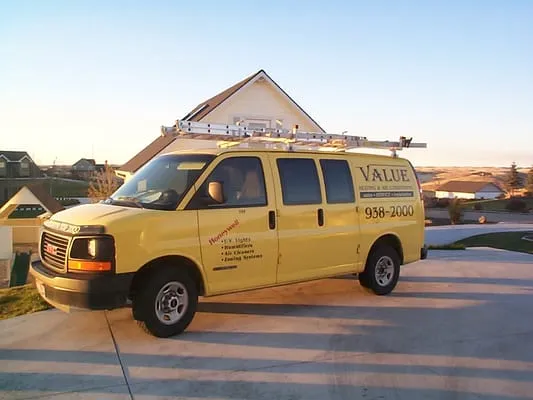
Value Heating has been a trusted HVAC partner for the Boise area, including Star, Meridian, and beyond, for nearly four decades. Founded as a small, family-oriented business, our team brings over 30 y...
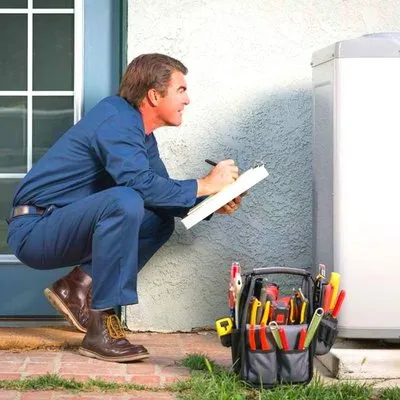
Lewis Heating and Air Conditioning is a veteran-owned HVAC company serving the Star, ID community with over 25 years of hands-on experience. We specialize in reliable repair, installation, and mainten...
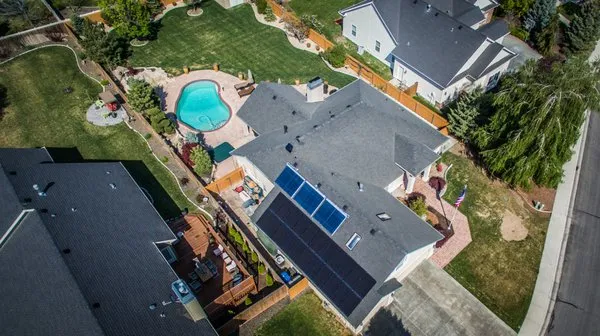
Renewable Energy NW
Since 2010, Renewable Energy NW has been a trusted local provider of sustainable energy and comfort solutions for Idaho homes and businesses. Founded and operated right here in Star, we've installed o...

Mitchell Mechanical is your trusted local HVAC expert in Star, Idaho. We understand the specific challenges homeowners in our community face, like uneven heating and persistent pilot light failures, w...
Meridian Heating & Cooling is your trusted local HVAC expert serving Star, ID, and the surrounding Treasure Valley. We understand the specific challenges homeowners face, such as dirty condenser coils...
Frequently Asked Questions
I use gas heat now. Should I consider switching to a heat pump in Star?
A heat pump is a strong candidate for Star homes. While our winter lows require a properly sized cold-climate model, a heat pump provides efficient electric heating during our milder shoulder seasons and off-peak hours. You can strategically use it to avoid Idaho Power's 14:00-20:00 peak rates for heating, while keeping your existing gas furnace as an efficient backup for the coldest nights.
With wildfire smoke and spring pollen, can my current ductwork handle better air filters?
Your galvanized sheet metal ductwork with R-6 flex runs provides a solid foundation for improved filtration. To effectively capture wildfire PM2.5 and May pollen, we recommend a MERV-13 media filter. We must perform a static pressure test to ensure your specific blower motor can handle the increased airflow resistance without straining the system or reducing efficiency.
What are the permit and safety rules for a new AC installation in 2026?
All replacements require a permit from the Star City Building Department. Since 2025, new systems must use A2L refrigerants like R-454B, which are mildly flammable. This mandates specific safety standards: leak detection sensors must be installed in the indoor unit, and all service technicians require EPA Section 608 certification for handling these new refrigerants to ensure a safe, code-compliant installation.
My AC just quit on a hot day near Hunter's Creek Sports Park. How fast can someone get here?
For a no-cool emergency in the Star City Center area, our technicians can typically dispatch from our shop off ID-44. The direct route to Hunter's Creek puts us at your door in 10 to 15 minutes. We prioritize these calls during heat events to prevent further heat stress on the system and restore your comfort quickly.
My Ecobee thermostat is showing an E1 error code. What does this mean?
An Ecobee E1 alert indicates the thermostat has lost communication with your HVAC equipment. In Star, this often points to a system shutdown from a safety device like a high-pressure switch, frequently triggered during summer heat stress. It's a diagnostic signal prompting a service call to check refrigerant charge, condenser airflow, or the capacitor before a complete system failure occurs.
How old is my air conditioner likely to be, and why do they start failing around here?
Given Star's average home age, your HVAC system is likely around 17 years old. Units at this age in our arid climate have endured nearly two decades of intense summer heat cycles, which thermally stress and degrade key components. The most common failure we see from this age and heat stress is capacitor failure, as the internal electrolyte dries out, preventing the compressor or fan motor from starting.
Why does my AC struggle when it gets over 100 degrees if it's designed for our heat?
Your system is designed to maintain temperature up to the local 96°F design temp, a calculated extreme. When actual temperatures exceed this, capacity drops and the unit runs continuously. Modern systems using the new R-454B refrigerant maintain better efficiency and capacity at these higher temperatures compared to older R-410A units, providing more resilient cooling during our hottest days.
What's the new SEER2 standard, and is upgrading worth it with current rebates?
As of 2026, the federal minimum efficiency standard is 13.4 SEER2 for new installations. Upgrading a 17-year-old system to a modern 16+ SEER2 unit creates significant savings, especially with Idaho Power's 0.11 per kWh rate. The Inflation Reduction Act's HEEHRA rebates, which can cover up to $8,000, directly offset the upgrade cost, making the return on investment more favorable than in previous years.
